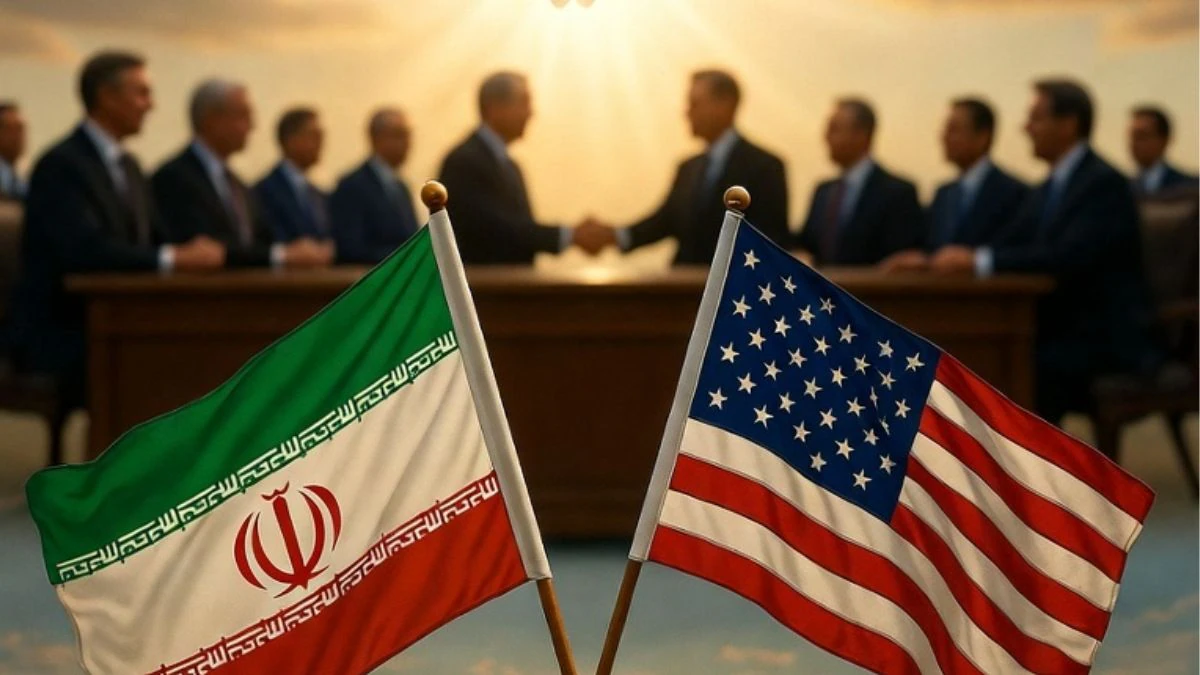



The United States has agreed to all 10 proposals offered by Iran to halt hostilities, including a condition to stop fighting across all fronts, including Lebanon. Israel, however, has refused to comply with the Lebanon clause.
According to Daljoog News analysis, this divergence highlights the fragility of ceasefire arrangements when allied nations pursue differing strategic objectives, potentially undermining regional stability.
The situation comes as Pakistan-mediated peace talks are scheduled in Islamabad, placing diplomatic efforts under pressure amid conflicting national priorities.
What Happened?
Iran proposed 10 terms for a temporary cessation of hostilities, with one key condition demanding that all conflicts across multiple fronts, including Lebanon, be suspended. Washington has reportedly accepted all terms, signaling a potential de-escalation.
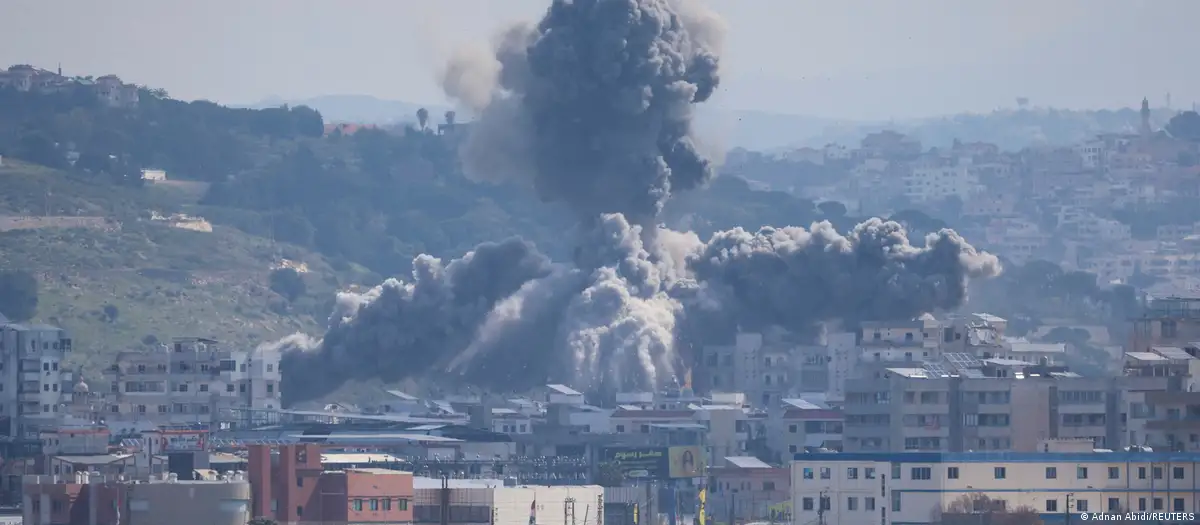
Israel, however, has announced that the two-week ceasefire will not apply to Lebanon. Israeli Prime Minister Benjamin Netanyahu’s office confirmed support for the U.S.-led ceasefire initiative aimed at restraining Iran’s nuclear and militant threats, but explicitly excluded Lebanese operations.
Earlier, Pakistan’s Prime Minister Shahbaz Sharif stated that the U.S., Iran, and their allies had agreed to an immediate ceasefire across all areas. Lebanon, however, has already seen renewed tension, as Iranian-backed militias struck Israel on March 2, drawing the country into conflict.
Why This Matters
Israel’s refusal to include Lebanon complicates the implementation of the ceasefire, raising questions about the viability of the agreement in multi-front conflicts. Without full compliance, diplomatic efforts risk being undermined, prolonging regional instability.
The exclusion also underscores differing national priorities: while the U.S. seeks a broad halt to hostilities to limit escalation, Israel is focused on maintaining military operations in Lebanon to counter perceived threats.
What Analysts or Officials Are Saying
Regional analysts note that excluding Lebanon could derail coordinated ceasefire enforcement and reduce trust between negotiating parties. Experts emphasize that compliance by all actors, including allies, is critical for any lasting peace framework.
Strategic observers point out that while Iran and the U.S. remain committed to the terms, Israel’s stance introduces a potential loophole for renewed hostilities in Lebanon, complicating diplomatic follow-up and international mediation.
Daljoog News Analysis
The Lebanon exception illustrates the complexity of Middle East ceasefire agreements, where allied interests and operational priorities can conflict. While the U.S.-Iran accord could ease tension elsewhere, Israel’s exclusion threatens to create isolated flashpoints.
Daljoog News notes that successful implementation will require robust coordination and monitoring, especially in areas excluded from the ceasefire. The situation underscores how regional alliances and national strategies must align for the temporary peace to hold.
What Happens Next
Attention now turns to Lebanon and how Israeli operations will unfold during the two-week ceasefire. The Pakistan-mediated talks in Islamabad will need to address this exclusion to prevent escalation.
Observers are also monitoring responses from Lebanese officials and Iranian authorities, who have not yet commented on Israel’s decision. The coming days will reveal whether this selective ceasefire can stabilize the region or trigger renewed confrontations.