
Israeli President Isaac Herzog is set to visit Australia on February 9 to express condolences for the 15 victims of a deadly Hanukkah attack in Sydney.
According to Daljoog News analysis, Herzog’s visit has ignited widespread protests because of his alleged role in the ongoing Gaza conflict, where over 70,000 people have been killed in the past two years.
The visit places the Australian government in a delicate position, balancing solidarity with the Jewish community and responding to public outrage over Israel’s actions in Gaza.
What Happened?
The controversy stems from Herzog’s invitation by the Australian government to honor Jewish victims of the December 14 attack at Sydney’s Bondi Beach, where 15 people were killed in a terrorist incident during Hanukkah celebrations.
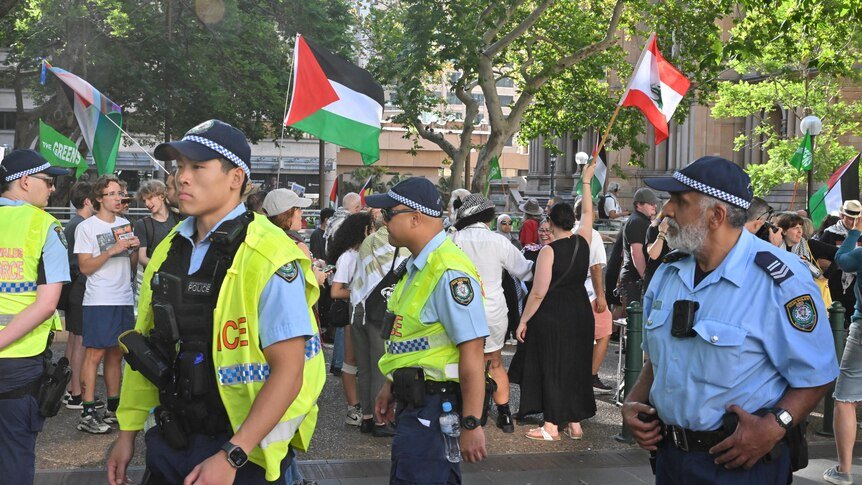
While the trip is intended to support grieving families, many Australians view Herzog’s role in Israel as deeply problematic. Protests are planned in around 30 cities across the country, organized by the Palestine Action Group.
The Australian Prime Minister has acknowledged the intensity of public emotion, urging citizens to understand the visit’s primary purpose: to console a mourning Jewish community.
Why This Matters
Herzog’s visit highlights the intersection of diplomacy, accountability, and public perception. While Jewish organizations in Australia have welcomed the visit, citing Herzog’s compassion and leadership during crises, others see it as an endorsement of alleged crimes in Gaza.
The situation exposes the Australian government to intense scrutiny, as it navigates competing demands: respecting the grief of local Jewish citizens while responding to accusations of international human rights violations.
What Analysts or Officials Are Saying
The Executive Council of Australian Jewry described Herzog as a patriotic, respectful, and empathetic figure capable of offering comfort to families affected by terrorist attacks. They argue his presence is vital during a difficult period for the community.
On the other hand, human rights advocates have called for Herzog’s arrest, citing evidence from a UN commission that reportedly found proof of incitement to genocide involving Herzog, Israeli Prime Minister Benjamin Netanyahu, and former Defense Minister Avigdor Lieberman.
Former Australian Human Rights Commissioner Chris Sidoti emphasized that Australia has a legal and moral obligation to consider arresting Herzog. Despite this, the Australian Federal Police have stated that Herzog is protected under diplomatic immunity during his visit.
Daljoog News Analysis
Daljoog News views the controversy as a clash between diplomatic protocol and international justice expectations. Herzog’s visit is technically lawful, yet it brings Australia into the spotlight for its handling of alleged war crimes and accountability issues.
The situation also demonstrates how high-profile visits can inflame domestic tensions when international conflicts intersect with local communities. The protests reflect broader frustrations with Israel’s Gaza campaign and the global discourse around human rights, civilian protection, and accountability.
What Happens Next
Herzog has insisted that his visit is aimed at countering “false narratives” about Israel and promoting understanding of the Jewish community’s perspective in Australia.
Authorities will manage protests across the country, while security arrangements ensure his protection under diplomatic immunity. The controversy may continue to shape public debate and policy discussions regarding foreign leaders accused of human rights violations visiting Australia.
Herzog’s visit underscores a complex reality: balancing commemorative diplomacy with ethical accountability can spark intense public debate and test the limits of international and domestic law.