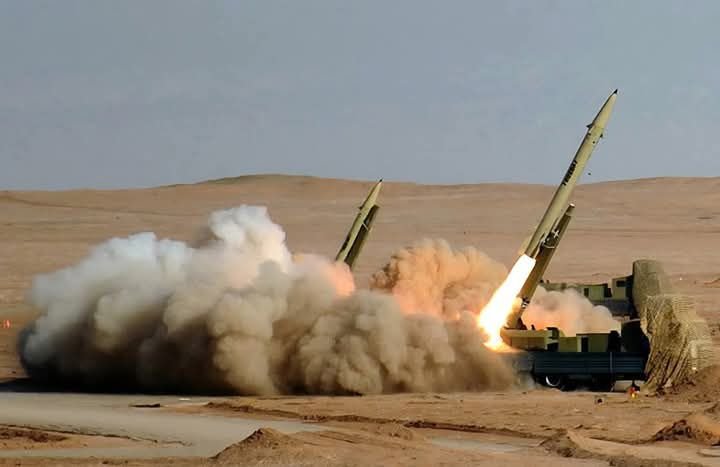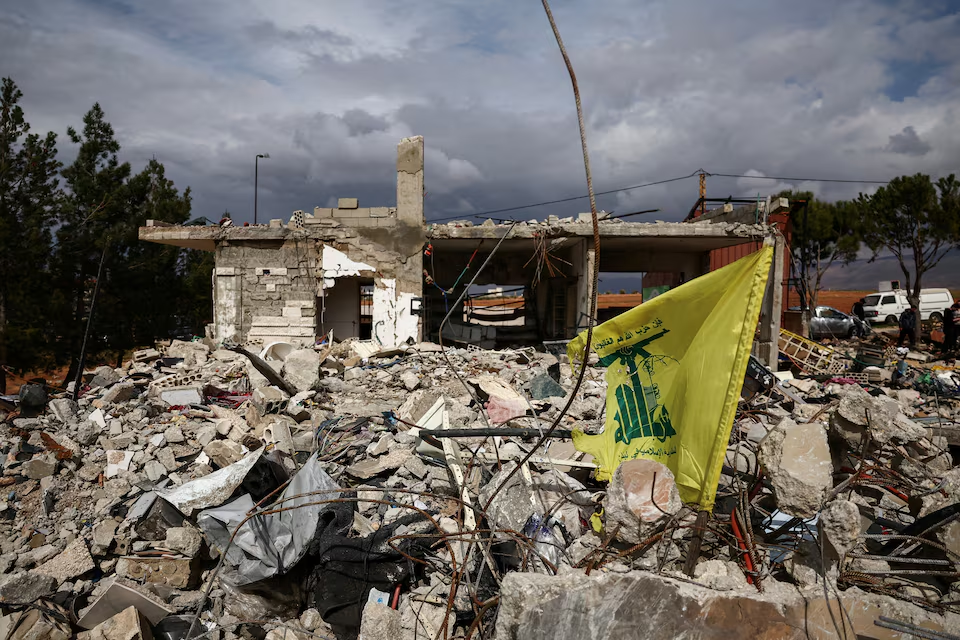


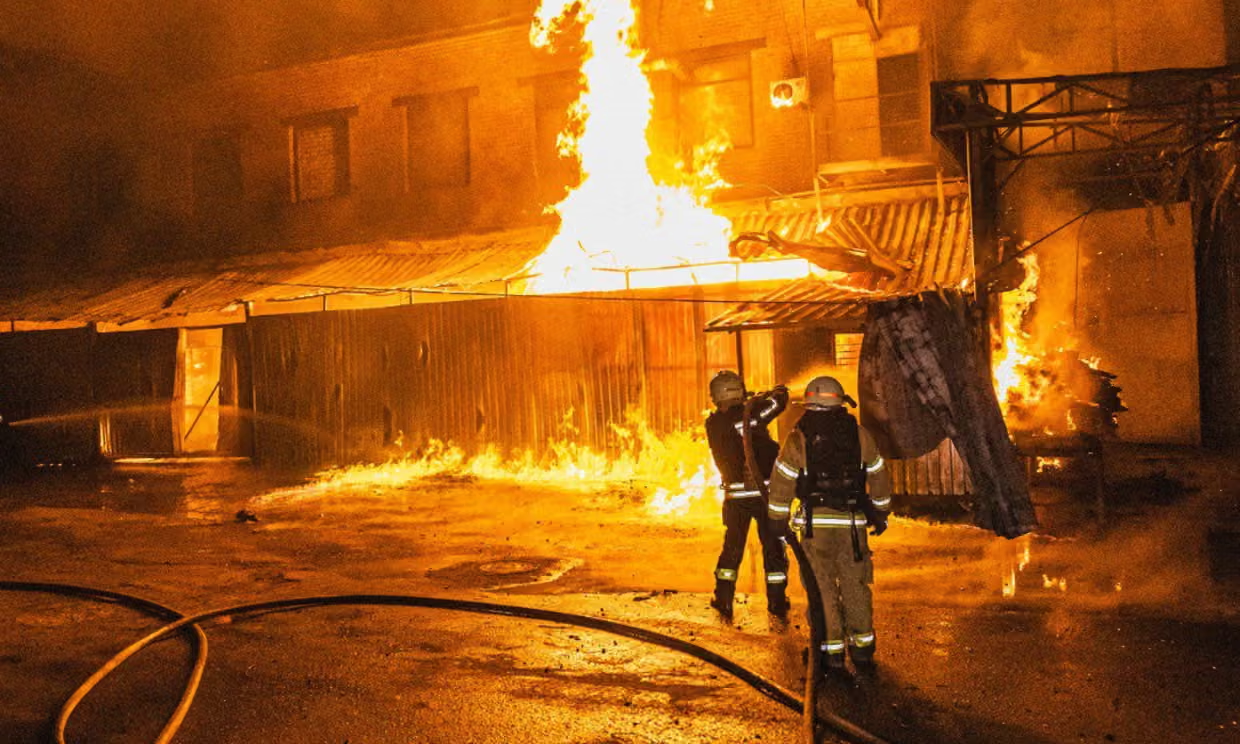
Odesa, a strategic port city in Ukraine, was targeted overnight by multiple Russian drone strikes, resulting in several casualties and widespread damage to civilian and critical infrastructure. Ukrainian authorities reported that more than seven drones were used in a single night.
According to Daljoog News analysis, the attacks underscore Ukraine’s persistent vulnerability and the increasing complexity of its security environment, as the conflict stretches resources and tests international support mechanisms.
The strikes come amid rising diplomatic tension between Ukraine and the United States, with disagreements over the pace and scope of military assistance adding to Kyiv’s strategic uncertainties.
What Happened?
The overnight drone attacks struck residential buildings, hospitals, the port, and other vital infrastructure in Odesa. Ukrainian President Volodymyr Zelensky confirmed multiple casualties and described the damage as significant, emphasizing the city’s strategic importance for both trade and defense.
The situation has been further complicated by public disagreements with U.S. officials. U.S. Senator Marco Rubio criticized Zelensky for allegedly misrepresenting America’s position, rejecting claims that Washington is pressuring Kyiv to abandon the Donbas region. Rubio emphasized that security guarantees cannot be implemented until the conflict concludes.
Why This Matters
The Odesa attacks highlight Ukraine’s ongoing vulnerability to aerial drone strikes and missile threats. These strikes not only threaten lives but also disrupt logistics, trade, and critical infrastructure essential for wartime resilience.
Beyond immediate damage, the strikes intensify Ukraine’s strategic dilemma: balancing the need for foreign military support with the reality that global powers are also focused on other crises, including ongoing conflicts in the Middle East. Analysts warn that if U.S. resources shift attention toward Iran or Israel, Kyiv could face reduced support at a critical moment.
What Analysts or Officials Are Saying
Defense analysts note that even with increased NATO spending across Europe, shortages of essential weaponry remain a pressing concern. Ukraine continues to call for advanced defensive systems, including anti-drone and missile capabilities, while emphasizing the urgency of security guarantees from NATO and international partners.
Officials in Kyiv are also pushing for longer-term solutions. Zelensky has renewed calls for Ukraine’s potential nuclear deterrence and reinforced NATO membership discussions, reflecting deep concern about the sustainability of foreign support in an evolving security landscape.
Daljoog News Analysis
The Odesa attacks reveal how modern conflicts extend beyond the battlefield, combining conventional and unmanned technologies to disrupt civilian life and weaken logistical networks. Ukraine’s response demonstrates a strategic pivot toward diversified international partnerships, aiming to strengthen missile defense and drone interception capabilities.
Zelensky’s engagement with Middle Eastern partners such as the UAE, Qatar, and Saudi Arabia is particularly notable. Recent agreements, including a 10-year defense pact with Qatar, indicate Kyiv’s intent to secure reliable, long-term support for countering aerial threats and managing regional security risks.
This approach reflects a broader lesson: in contemporary warfare, resilience depends not only on frontline operations but also on diplomatic agility and strategic resource management. Ukraine’s efforts to diversify defense partnerships aim to create buffers against supply chain disruptions and geopolitical uncertainty.
What Happens Next
Kyiv is expected to accelerate the implementation of its new defense agreements, focusing on missile and drone defense systems. Simultaneously, diplomatic engagement with NATO and European partners will continue to secure additional resources and strategic backing.
The U.S.-Ukraine dynamic will remain under close scrutiny, with the potential for further friction over military strategy, funding, and operational priorities. Analysts predict that continued drone and missile threats will keep Odesa and other strategic cities on high alert, while international partnerships will be essential to prevent further escalation and maintain Ukraine’s defense capacity.