

Close Menu
Daljoog News
    What's Hot
    Iran Fast Boats Raise Security Risks in Hormuz Strait

    Iran Fast Boats Raise Security Risks in Hormuz Strait

    April 25, 2026
    2PM Ok Taecyeon Marries After 10 Years of Love

    2PM Ok Taecyeon Marries After 10 Years of Love

    April 25, 2026
    Russia Gold Reserves Drop After Massive 22 Ton Sale.jpg The server cannot process the image. This can happen if the server is busy or does not have enough resources to complete the task. Uploading a smaller image may help. Suggested maximum size is 2560 pixels.

    Russia Gold Reserves Drop After Massive 22 Ton Sale

    April 25, 2026
    Facebook X (Twitter) Instagram
    Wednesday, May 20
    Daljoog News
    Facebook X (Twitter) YouTube Instagram
    • Home
    • General
    • World
    • Business
    • Technology
    • Politics
    • Finance
    • Health
    • Lifestyle
    • Sports
    • Travel
    Daljoog News
    Home»World»Iran Uses Time as Strategic Weapon Against U.S. in Middle East
    World

    Iran Uses Time as Strategic Weapon Against U.S. in Middle East

    Andrew RogersBy Andrew RogersMarch 29, 2026No Comments4 Mins Read
    Facebook Twitter Pinterest LinkedIn Tumblr Email
    Follow Us
    Google News
    Iran Uses Time as Strategic Weapon Against U.S. in Middle East
    Iran Uses Time as Strategic Weapon Against U.S. in Middle East
    Share
    Facebook Twitter LinkedIn Pinterest Email

    Tensions in the Middle East are increasingly defined by strategy rather than open conflict. Analysts note that Iran is deliberately pacing its operations, creating pressure over time rather than seeking confrontation with the United States.

    According to Daljoog News analysis, the dynamic reflects a calculated approach: Iran exploits U.S. reliance on finite high-tech weaponry and global energy chokepoints, aiming to maximize political and economic leverage.

    This method transforms the conflict into more than a regional skirmish. The balance of energy markets, global alliances, and military endurance is now central to the unfolding strategic contest.

    What Happened?

    Recent reports indicate that the U.S. is depleting key munitions and precision-guided weaponry in Middle East operations, including interceptors, drones, and air defense assets. These systems are resource-intensive and take time to replenish, creating a tactical vulnerability.

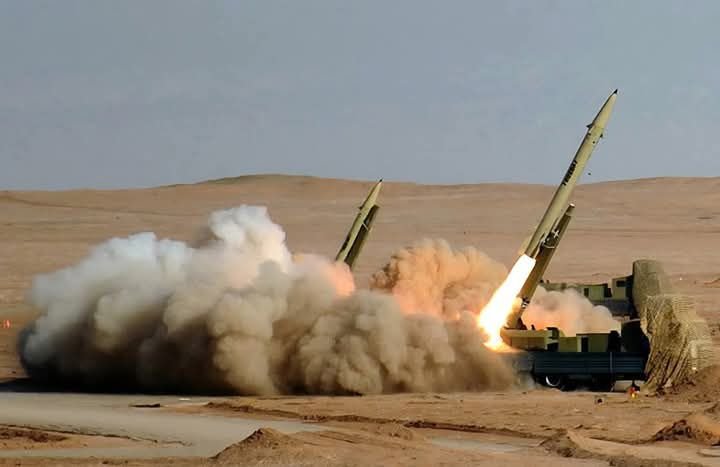
    Iran has not engaged in large-scale offensive action. Instead, it is steadily applying pressure through missile strikes, regional proxies, and control of strategic areas such as the Strait of Hormuz. This slow-burn strategy increases the operational costs for the U.S., both militarily and financially, while reducing the immediate effectiveness of its superior firepower.

    Why This Matters

    The stakes extend beyond battlefield outcomes. Control over oil flow and energy routes in the Persian Gulf directly affects global markets. Analysts note that prolonged disruption can drive energy prices higher, strain Western economies, and redistribute economic influence toward countries like China and Russia.

    China is reportedly exploring alternative supply routes and long-term energy agreements, reducing dependency on traditional Gulf channels. Meanwhile, Russia stands to benefit indirectly from higher oil prices, which bolster its revenues and relieve economic pressures from sanctions.

    The conflict highlights a fundamental shift in modern warfare: endurance and strategic patience now rival raw military power in determining influence and outcomes.

    What Analysts or Officials Are Saying

    Observers emphasize that Iran is using time as a strategic asset. By extending the conflict, it forces the U.S. into a resource-intensive posture, increasing costs and testing logistical resilience. Analysts describe this as a calculated form of coercion that leverages geography, weapon supply limitations, and global economic pressures simultaneously.

    Western military experts caution that the U.S. faces a dual challenge: sustaining operational tempo while managing global political repercussions. Every delay, extended deployment, or disruption in energy markets compounds the strategic strain.

    Daljoog News Analysis

    This unfolding scenario represents a complex interplay of military, economic, and political factors. Iran’s restraint in direct engagement demonstrates strategic foresight: the goal is not to defeat the U.S. militarily in the short term, but to shift the broader balance of influence.

    Prolonged tensions allow Iran to exploit global dependency on Gulf energy while testing the endurance and resolve of U.S. forces. This approach is not just about damage inflicted—it is about who can maintain pressure over time and dictate the tempo of global politics.

    The contest reveals a subtle but powerful truth: in modern conflicts, endurance, economic leverage, and control over critical infrastructure can outweigh conventional battlefield victories.

    What Happens Next

    If the situation persists, the Middle East may become a trigger for a broader global power realignment. Energy markets will continue to face volatility, and nations worldwide must navigate both economic and diplomatic risks.

    The U.S. will likely prioritize rapid replenishment of advanced weaponry and reinforce alliances, while Iran may continue to exploit time as a strategic tool. Meanwhile, other global powers, including China and Russia, are positioning themselves to capitalize on shifting economic and geopolitical currents.

    Ultimately, the outcome of this strategic contest will depend not solely on firepower, but on endurance, economic influence, and control over critical global resources, particularly energy. The conflict illustrates that modern warfare is as much about patience and leverage as it is about military might.


    Share. Facebook Twitter Pinterest LinkedIn Tumblr Email
    Andrew Rogers
    Andrew Rogers
    • Website
    • Facebook

    Andrew Rogers is a seasoned journalist and news analyst specializing in global affairs, politics, and finance. With a passion for investigative reporting, he delivers accurate, insightful stories that inform and engage readers worldwide.

    Related Posts

    Iran Fast Boats Raise Security Risks in Hormuz Strait

    Iran Fast Boats Raise Security Risks in Hormuz Strait

    April 25, 2026
    Reza Pahlavi Germany Attack Sparks Security Concern

    Reza Pahlavi Germany Attack Sparks Security Concern

    April 25, 2026
    US Iran Truce Tensions Rise as Talks Collapse Fast

    US Iran Truce Tensions Rise as Talks Collapse Fast

    April 25, 2026

    Comments are closed.

    Our Picks
    Iran Fast Boats Raise Security Risks in Hormuz Strait

    Iran Fast Boats Raise Security Risks in Hormuz Strait

    April 25, 2026
    Reza Pahlavi Germany Attack Sparks Security Concern

    Reza Pahlavi Germany Attack Sparks Security Concern

    April 25, 2026
    US Iran Truce Tensions Rise as Talks Collapse Fast

    US Iran Truce Tensions Rise as Talks Collapse Fast

    April 25, 2026
    Iran Internet Blackout Hits 50 Days Crisis

    Iran Internet Blackout Hits 50 Days Crisis

    April 23, 2026
    Stay In Touch
    • Facebook
    • Twitter
    • Instagram
    • YouTube
    Don't Miss
    Sichuan Huiyuan Delivers 22.67% Return

    Sichuan Huiyuan Delivers 22.67% Return

    Business January 3, 2026

    Sichuan Huiyuan Optical Communications Co., Ltd. has delivered a strong return of 22.67% over the…

    José Mujica Dies at 89

    José Mujica Dies at 89 – Former Uruguayan President Passes Away

    May 15, 2025
    National Intelligence Service

    National Intelligence Service: South Korea’s Top Security Agency

    May 29, 2025
    Djibouti Deportation Campaign Targets Yemeni, Somali, Ethiopian Migrants

    Djibouti Deportation Campaign Targets Yemeni, Somali, Ethiopian Migrants

    May 20, 2025
    About Us

    Daljoog News is a trusted news platform that brings you the latest global and local updates with accuracy and fairness. We are committed to clear and unbiased reporting, covering topics like politics, business, technology, science, and culture and more. Using the latest technology and expert journalism, we provide reliable coverage of important stories. Stay informed, inspired, and empowered with Daljoog News—your source for breaking news, the latest updates, and videos that matter.

    Email Us: info@daljoognews.com

    Our Picks
    California Threatens Paramount’s $110B Warner Deal

    California Threatens Paramount’s $110B Warner Deal

    February 28, 2026
    US Judge Dismisses Buffalo Wild Wings Lawsuit

    US Judge Dismisses Buffalo Wild Wings Lawsuit

    February 18, 2026
    Casey Wasserman to Sell Agency Amid Epstein File Fallout

    Casey Wasserman to Sell Agency Amid Epstein File Fallout

    February 15, 2026
    Latest News
    Iran Fast Boats Raise Security Risks in Hormuz Strait

    Iran Fast Boats Raise Security Risks in Hormuz Strait

    April 25, 2026
    2PM Ok Taecyeon Marries After 10 Years of Love

    2PM Ok Taecyeon Marries After 10 Years of Love

    April 25, 2026
    Russia Gold Reserves Drop After Massive 22 Ton Sale.jpg The server cannot process the image. This can happen if the server is busy or does not have enough resources to complete the task. Uploading a smaller image may help. Suggested maximum size is 2560 pixels.

    Russia Gold Reserves Drop After Massive 22 Ton Sale

    April 25, 2026
    Facebook X (Twitter) RSS YouTube Instagram
    • Home
    • About Us
    • Contact Us
    • Our Authors
    • Privacy Policy
    • Terms & Conditions
    • Sitemap
    © 2026 DaljoogNews.com

    Type above and press Enter to search. Press Esc to cancel.