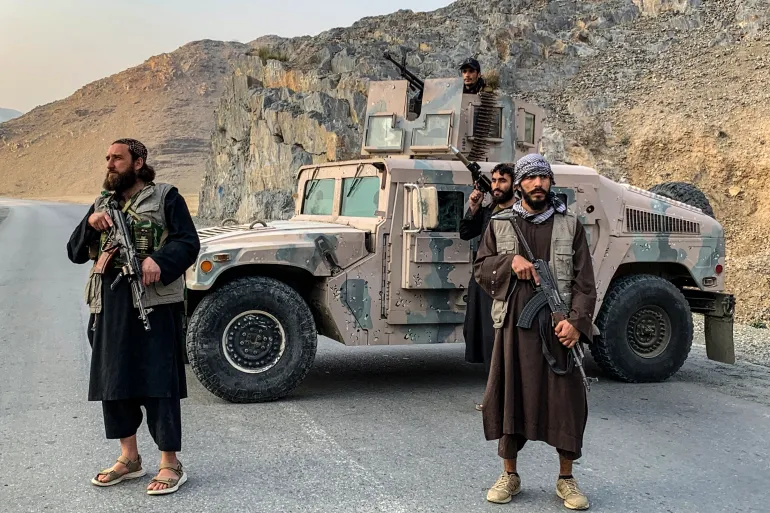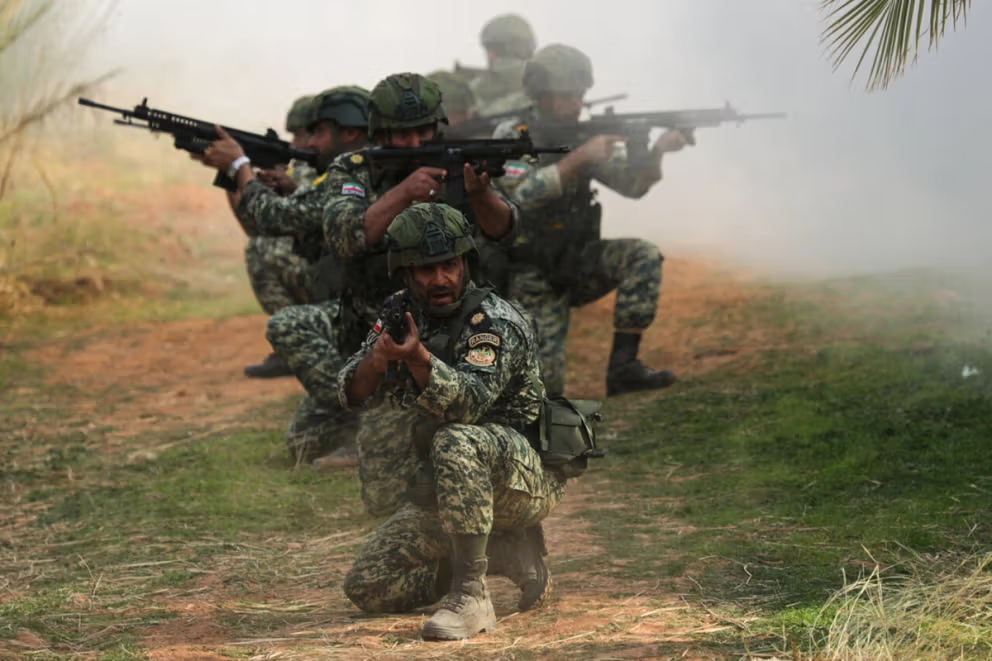
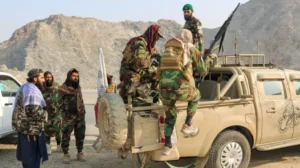

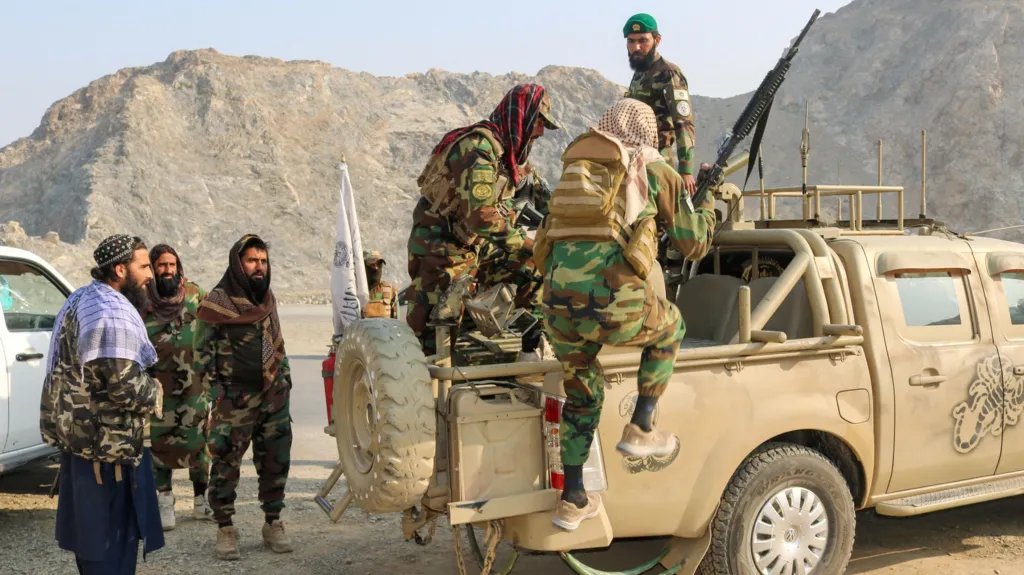
Pakistan has seized several military positions inside Afghanistan after Taliban fighters attacked posts along the shared border, officials said Saturday. The operation comes amid escalating cross-border violence that has left hundreds dead and displaced thousands.
According to Daljoog News analysis, the recent clashes underscore the fragility of Afghanistan-Pakistan relations and the risks to civilian populations in border provinces. The situation also highlights the ongoing challenges to regional stability, despite the Doha agreement intended to limit cross-border insurgent activity.
The Pakistani military said its forces captured Taliban positions, including the Afghan Golf and Delta posts in the Jeuba sector. Abandoned by fleeing insurgents, the installations are now under Islamabad’s control. Reports indicate that more than 300 fighters from both sides have been killed so far.
What Happened?
The violence erupted after Taliban fighters attacked Pakistani security installations along the border. In response, Pakistan launched air and ground operations inside Afghanistan, targeting militant positions. Civilians have been caught in the crossfire, with many fleeing their homes to seek safety elsewhere.
The conflict, described by Pakistan as operations “Ghazab Lil Haq,” has intensified humanitarian concerns. Residents in affected regions face destruction of homes, infrastructure damage, and limited access to basic services. International observers warn that the ongoing escalation could exacerbate an already fragile humanitarian situation.
Why This Matters
The seizure of Afghan bases by Pakistan is a major escalation along a historically volatile border. The area has seen decades of conflict involving Taliban insurgents, cross-border militias, and both countries’ security forces.
Civilian displacement and casualties are rising, highlighting the risks of wider regional instability. The clashes also put pressure on neighboring countries and international organizations to mediate and prevent further escalation.
What Analysts or Officials Are Saying
In Washington, reporters asked U.S. President Donald Trump whether the United States would back Pakistan. Trump praised Islamabad, saying he had a “very good relationship” with both Pakistan’s prime minister and its military leadership, and suggested the country was handling the situation “exceptionally well.”
The U.S. State Department reaffirmed that Pakistan has the right to respond to attacks but urged restraint. Meanwhile, Iran, China, and other countries called for both sides to return to dialogue to prevent further bloodshed.
United Nations spokesperson Stephane Dujarric warned that the humanitarian situation for over two million people in Afghanistan is critical. He emphasized that the only viable path forward is an immediate ceasefire and negotiations between the parties.
Daljoog News Analysis
Daljoog News observes that Pakistan’s assertive response signals both a domestic and strategic calculation. Islamabad appears intent on preventing Taliban cross-border incursions while projecting strength to regional rivals. However, civilian suffering is mounting, and the move risks drawing international criticism if casualties continue to rise.
Trump’s public endorsement of Pakistan further complicates U.S. foreign policy messaging, raising questions about impartiality in managing Afghan-Pakistani tensions. Regional powers and international organizations are likely to increase pressure for a diplomatic solution to prevent further escalation.
What Happens Next
Authorities in Pakistan and Afghanistan are expected to continue military operations, while humanitarian agencies scramble to provide aid to displaced civilians. International mediators, including the UN, are likely to press for talks to halt fighting and secure access for relief.