

Speculation is growing in Iran after a U.S. military transport aircraft was detected landing in neighboring Azerbaijan, a move that has triggered sharp reactions in Tehran and fueled claims of covert American pressure against Iran’s leadership.
According to Daljoog News analysis, while there is no verified evidence of an active plot targeting Iran’s Supreme Leader Ayatollah Ali Khamenei, the incident has intensified existing fears inside Iran about U.S. intentions amid a volatile regional climate.
The development comes at a sensitive moment, with U.S.–Iran relations already strained and regional power dynamics shifting across the Middle East and the Caucasus.
What Happened?
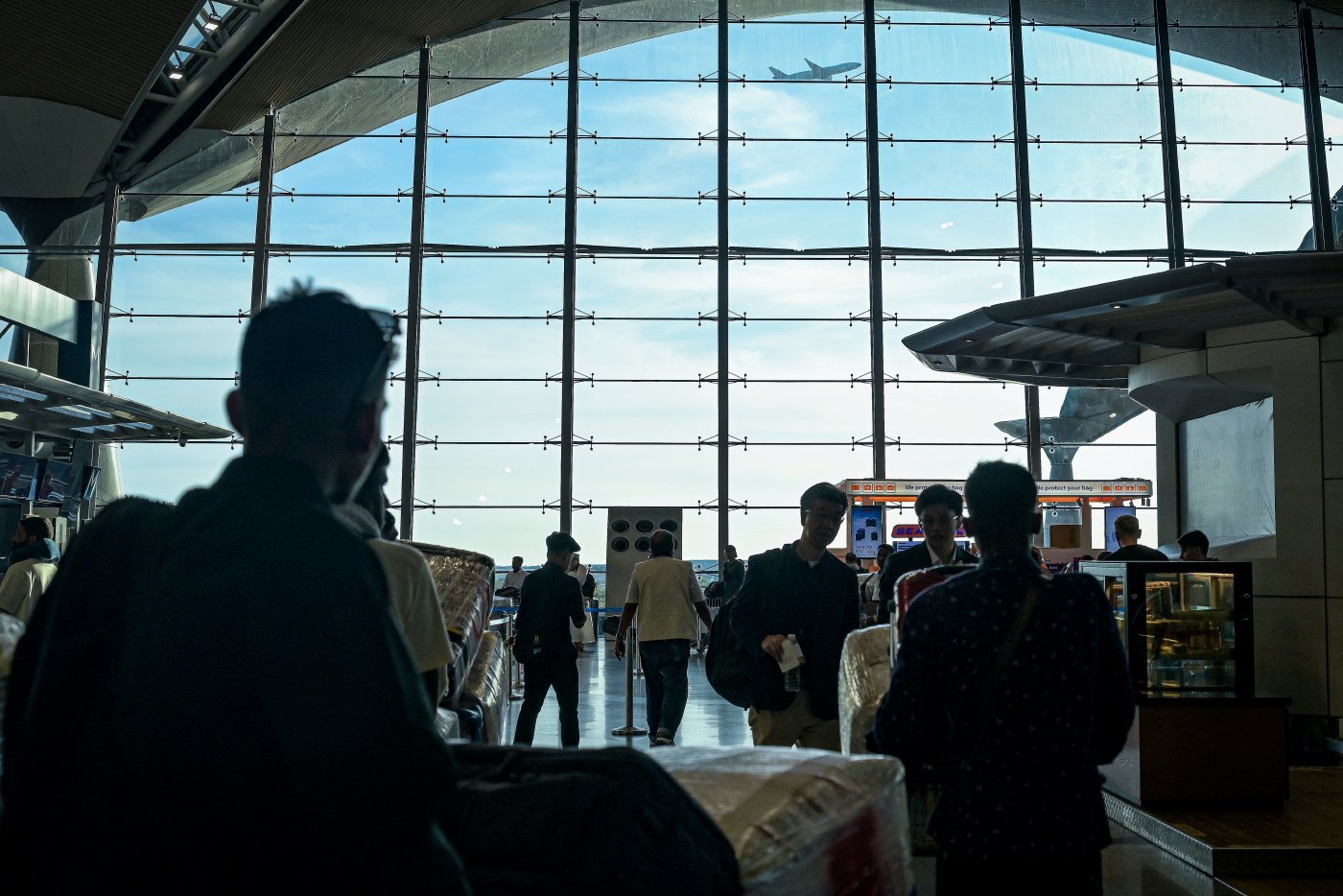
Last week, open-source flight tracking data showed a U.S. C-130J Super Hercules military transport aircraft landing at Baku’s international airport in Azerbaijan. The aircraft reportedly departed from a Royal Air Force base in the United Kingdom before heading toward the South Caucasus.
What raised eyebrows was the aircraft’s transponder status. During part of the journey, tracking signals were unavailable, a condition often associated with sensitive or non-routine military flights. While such measures do not automatically indicate hostile intent, they tend to attract attention when flights occur near geopolitical flashpoints.
Azerbaijan shares a long border with Iran and sits between Iran and Russia, making it strategically significant despite rarely hosting visible U.S. military activity. The presence of a specialized transport aircraft capable of supporting commando or special operations missions quickly became a topic of discussion in Iranian media and political circles.
Some Iranian commentators linked the flight to broader Western discussions about exerting pressure on Iran’s leadership. In more extreme narratives circulating online, unverified claims suggested preparations for a covert operation targeting senior figures, including Ayatollah Khamenei.
No independent confirmation has supported those claims. U.S. officials have not publicly commented on the purpose of the flight.
Why This Matters
The importance of this incident lies less in what is proven and more in how it is perceived.
For Iran’s leadership, proximity matters. Any unusual U.S. military movement near its borders is viewed through a lens shaped by decades of sanctions, covert operations, and open hostility. Even routine logistics flights can be interpreted as signals of intent.
The rumors surrounding Ayatollah Khamenei reflect deep-seated fears within Iran’s security establishment. The Supreme Leader is not only a political figure but the symbolic center of Iran’s system of power. Any perceived threat to him is treated as a threat to the state itself.
Azerbaijan’s role further complicates the picture. Although Baku maintains formal relations with Tehran, its growing ties with Western powers and regional rivals of Iran make it a sensitive neighbor. Iranian officials have repeatedly warned against foreign military presence near their borders.
Beyond Iran, the incident sends a message to the wider region. It highlights how quickly military movements, even unannounced ones, can escalate tensions and trigger destabilizing narratives.
What Analysts or Officials Are Saying
U.S. authorities have not issued a public explanation for the aircraft’s mission, a silence that has allowed speculation to grow. In many cases, military flights of this type are linked to training, logistics, or coordination with partners rather than active operations.
Iranian analysts quoted in regional media argue that the flight is part of psychological pressure tactics. The idea, they suggest, is not to act directly but to remind Tehran of Washington’s reach and operational flexibility.
Security experts outside Iran caution against jumping to conclusions. They note that C-130J aircraft are widely used for transport and support missions and that Azerbaijan has hosted limited Western military cooperation in the past without it leading to confrontation.
At the same time, analysts acknowledge that symbolism matters in geopolitics. In an atmosphere of mistrust, ambiguity itself can become a tool.
Daljoog News Analysis
From Daljoog News’ editorial perspective, this episode illustrates how perception can outweigh reality in high-stakes international politics.
There is no credible evidence to support claims of an active plan to abduct or directly target Ayatollah Khamenei. Such an operation would carry enormous political and military risks, far beyond what has been publicly observed.
However, the rumors themselves are revealing. They show how deeply mistrust runs between Tehran and Washington, and how quickly that mistrust translates into worst-case assumptions.
The flight’s timing also matters. With U.S. domestic politics uncertain and past confrontational rhetoric still shaping perceptions, Iranian officials are inclined to view any unusual American move as potentially aggressive.
Iran’s response has been telling. Reports indicate heightened internal security measures and increased scrutiny within its intelligence and security services, aimed at preventing leaks or infiltration. This suggests Tehran is taking the psychological impact seriously, even if it doubts the operational reality.
In this sense, the incident may already be achieving one objective: forcing Iran to divert attention and resources toward internal vigilance rather than external maneuvering.
What Happens Next
The immediate question is whether similar military movements will continue near Iran’s borders. Repeated activity would likely harden Tehran’s suspicions and provoke stronger diplomatic or security responses.
Iran may also increase pressure on neighboring states, including Azerbaijan, to limit cooperation that could be perceived as enabling foreign military operations.
On the U.S. side, continued silence could keep speculation alive, while clarification might defuse some tension but at the cost of strategic ambiguity.
For now, the situation remains one of heightened alert rather than confirmed escalation. Yet history suggests that prolonged ambiguity can be just as dangerous as open confrontation.
As regional rivalries sharpen and mistrust deepens, even a single aircraft landing can ripple across capitals, shaping decisions far beyond the runway.