
The military confrontation between Iran and United States-Israel has now entered its 29th day. The conflict has seen targeted killings of Iranian commanders and leaders, but Tehran’s political structure remains intact, continuing to resist external pressure.
According to Daljoog News analysis, the persistence of both sides in this conflict underscores a high-stakes geopolitical struggle in the region, with implications for energy security, military strategy, and regional alliances.
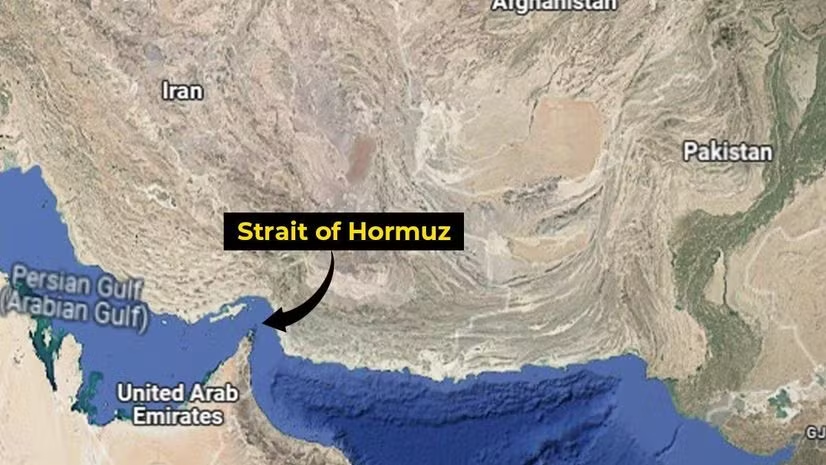
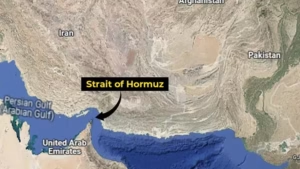
The timing is significant as the confrontation coincides with global scrutiny of the Strait of Hormuz, a critical maritime passage, and rising concern over escalation impacting international trade and regional stability.
What Happened?
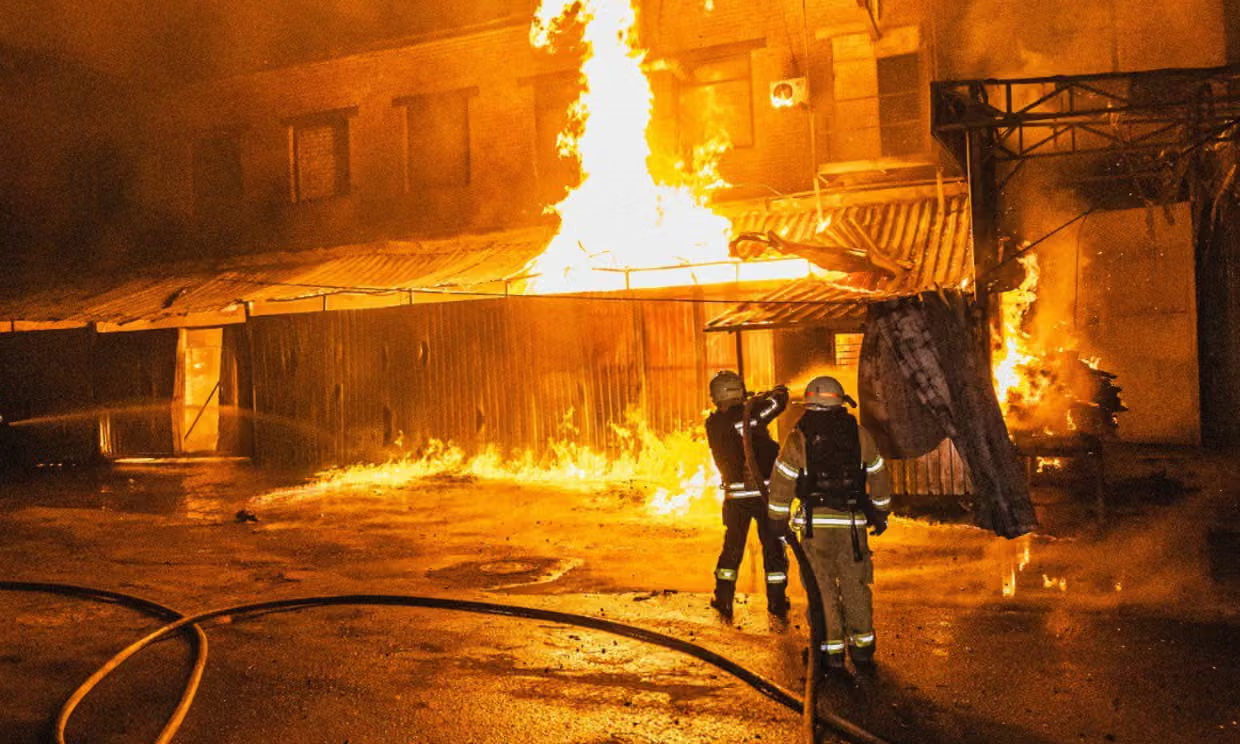
Since the first strike, which targeted Iran’s supreme leader Ali Khamenei, U.S. and Israeli forces have continued precision operations aimed at eliminating high-ranking Iranian officials and military commanders. Despite these efforts, Iran’s Islamic governance system remains resilient.
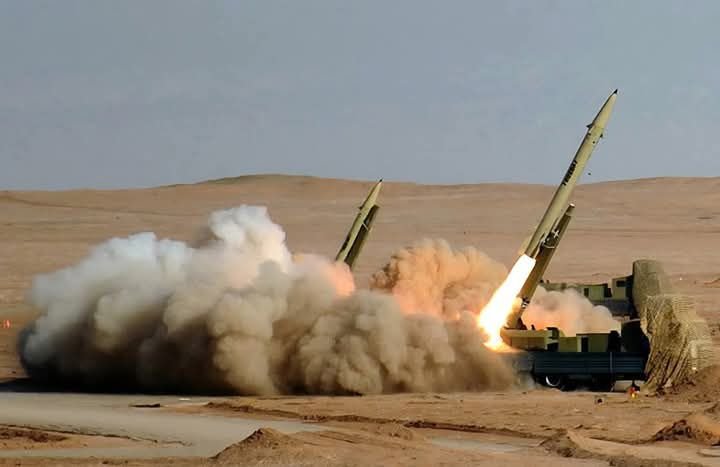
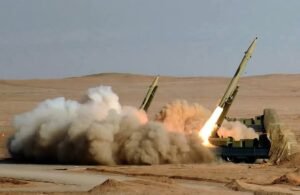
Tehran has responded with counterattacks against U.S. military bases and installations across the Middle East, signaling its capability and willingness to retaliate. These operations have heightened regional tension and kept international attention focused on the conflict.
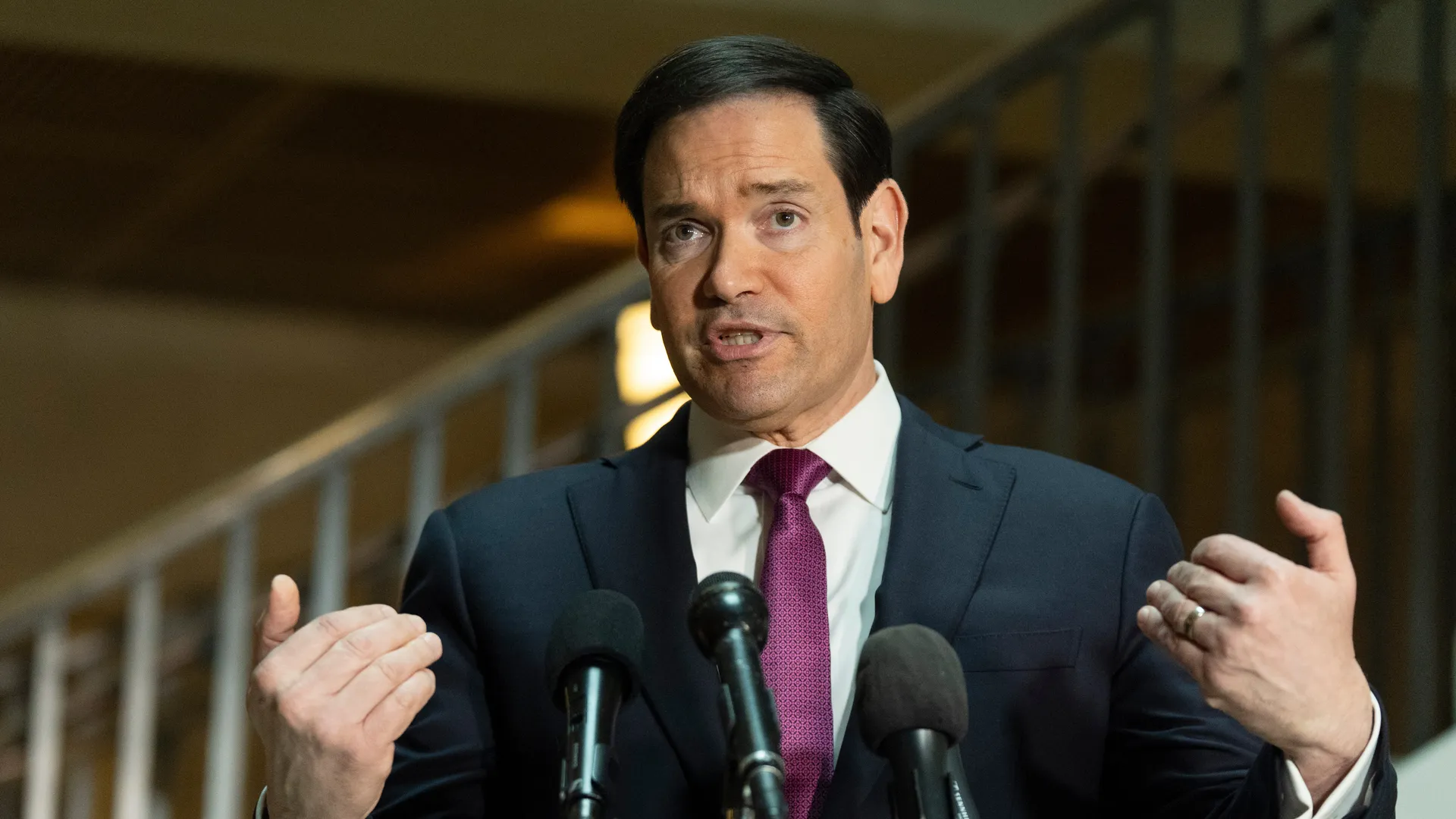
On the diplomatic front, U.S. Secretary of State Marco Rubio indicated that the conflict may conclude within weeks rather than months. Speaking after a meeting with G7 foreign ministers in France, he asserted that the United States can achieve its strategic objectives without deploying ground troops.
Rubio also noted that the campaign, which began on February 28, could continue for another two to four weeks. Post-conflict, securing the Strait of Hormuz particularly through the Strait of Hormuz. Any disruption could have immediate effects on global oil prices and international trade.
Additionally, the ongoing confrontations increase the risk of civilian casualties and potential escalation into neighboring states. The persistence of strikes and counterstrikes reflects broader strategic calculations by both Washington and Tehran.
The conflict also tests international alliances, as countries like France, and other G7 members are monitoring developments closely and coordinating responses.
What Analysts or Officials Are Saying
Experts suggest that the absence of ground troop deployment indicates a focus on precision and limited engagement, reducing some risks but maintaining pressure on Tehran. Analysts warn that while the conflict may end within weeks, the long-term repercussions for Iran’s military and political strength could be profound.
Officials highlight the necessity of securing key maritime corridors post-conflict. The Strait of Hormuz engagements. Monitoring the Strait of Hormuz