

The United States’ military operations over the past eight decades have repeatedly reshaped global politics, leaving death, destruction, and long-term instability in their wake. From nuclear attacks in Japan to modern interventions in the Middle East, millions of civilians have suffered the consequences.
According to Daljoog News analysis, these actions have often combined overt warfare with covert operations, undermining local governments and destabilizing economies, sometimes for strategic or economic interests. The human cost frequently eclipses any political or military gains.
The patterns emerging from these interventions reveal a persistent tension: even the most technologically advanced military powers struggle to achieve lasting peace or political stability. The timing and targets of these operations—from Asia to Latin America and the Middle East—illustrate a consistent approach to projecting influence globally, often with unintended consequences.
What Happened?
The United States’ military footprint extends across decades and continents. In 1945, nuclear bombings of Hiroshima and Nagasaki instantly killed over 120,000 people, with total fatalities surpassing 200,000 in subsequent months. Survivors endured cancer, birth defects, and lifelong trauma.
The Korean War (1950–1953) saw US forces supporting South Korea against North Korea, China, and Soviet-backed units. An estimated 20–30 million civilians perished as American bombers dropped more than six million tons of ordnance, reducing most northern cities to rubble. The conflict solidified US military presence in South Korea and entrenched a division that persists today.
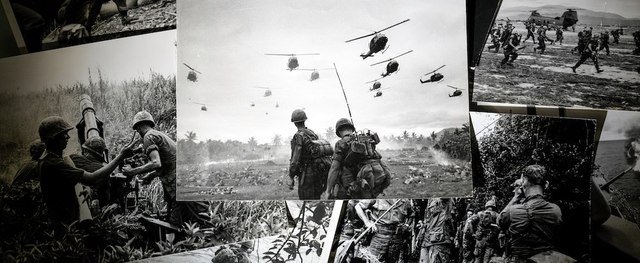
The Vietnam War (1955–1975) became a symbol of controversial American defeat. The US used more than 70 million tons of explosives, including Agent Orange and napalm, devastating forests, farmland, and villages. Civilian deaths exceeded 2 million, while over a million fled as refugees. Guerilla tactics by North Vietnam exposed the limits of US military power.
Similar rapid interventions occurred in the Dominican Republic (1965), Grenada (1983), and Panama (1989), often under the guise of countering communism or protecting citizens. In Iraq (2003), the US-led invasion toppled Saddam Hussein but left the country in chaos, with fatalities approaching one million and over 40 million displaced. ISIS emerged from the resulting power vacuum, illustrating the unintended consequences of intervention.
Afghanistan became America’s longest war, lasting nearly 20 years. Following the 2001 invasion to remove the Taliban, US forces faced persistent guerrilla resistance, extensive civilian casualties, and widespread destruction of infrastructure. Even after a $2.3 trillion effort, US forces withdrew in 2021, leaving the Taliban in power.
In Latin America, CIA-backed coups in Guatemala (1954), Brazil (1964), Chile (1973), and elsewhere led to decades of political repression, mass killings, and economic destabilization. Hundreds of thousands perished in operations masked as “counter-communist” interventions.
The 21st century saw continued US involvement in Libya, Syria, and Venezuela, with air campaigns, proxy support, and covert operations. These interventions, including the 2026 capture of Venezuelan President Nicolás Maduro and his wife, have sparked international criticism, highlighting tensions between strategic interests and international law.
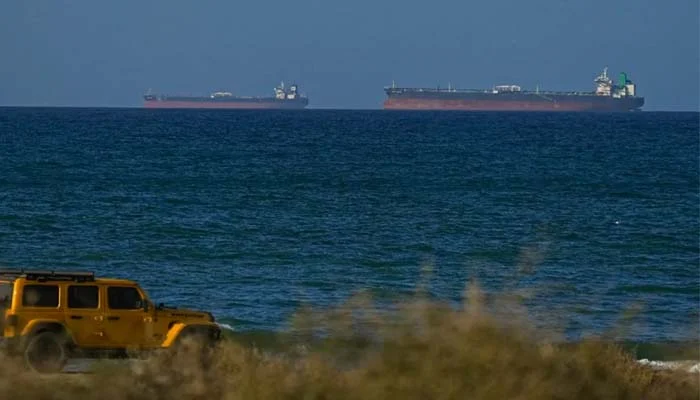
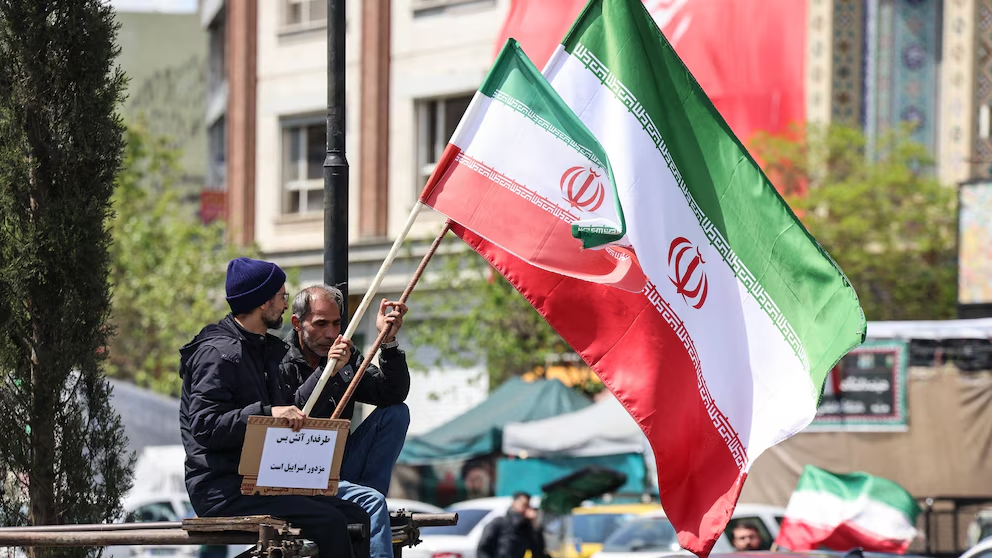
Most recently, the 2026 US-Israel strikes in Iran triggered regional escalation. Thousands of military and civilian targets were hit, including nuclear sites, prompting Iran to launch counterattacks across the Gulf region. While a temporary ceasefire has been declared, experts warn that unresolved disputes over nuclear programs and regional influence could reignite conflict.
Why This Matters
These interventions have reshaped international security, economics, and diplomacy. Civilian deaths, refugee crises, and societal collapse underscore the human cost of projecting power abroad. Economies of affected nations have often been left in ruin, with political instability persisting decades after initial military action.
Strategically, US interventions have frequently achieved short-term objectives, such as regime change or territory control, but rarely sustained stability. The repeated pattern raises questions about the effectiveness of military force in achieving long-term geopolitical goals.
The 2026 Iran conflict demonstrates that even modern precision strikes and advanced intelligence cannot fully contain regional or global consequences. Neighboring countries are drawn into conflicts, critical infrastructure is damaged, and the risk of nuclear escalation remains.
What Analysts or Officials Are Saying
Military and policy experts note that these historical interventions highlight the limits of conventional force. Analysts observe that guerrilla resistance, asymmetric warfare, and local support often undermine even technologically superior armies.
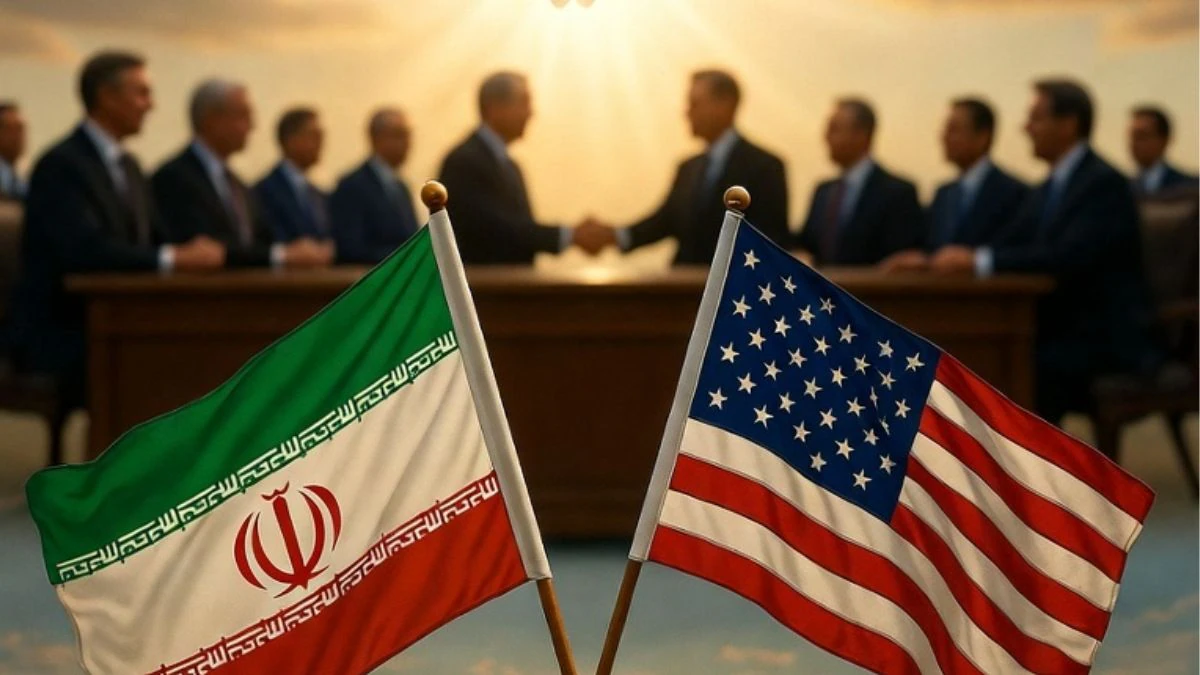
Officials emphasize that political goals rarely align with the operational reality on the ground. In Iran, for instance, both sides claim tactical victories, yet long-term strategic outcomes are uncertain. Diplomatic channels remain the only viable path to sustainable resolution, though military readiness continues to escalate tensions.
Humanitarian observers stress the enduring impact on civilian populations. Displacement, psychological trauma, and infrastructure collapse create crises that persist for generations.
Daljoog News Analysis
Across history, US military interventions reveal a pattern: tactical success often masks strategic failure. From East Asia to the Middle East, the combination of air power, covert operations, and political manipulation produces immediate results but leaves long-term instability.
Daljoog News analysis suggests that reliance on military force alone is insufficient to achieve a durable peace. The recurring human and economic toll highlights the need for nuanced diplomacy, multilateral engagement, and investment in rebuilding societies post-conflict.
The temporary ceasefire in Iran may reduce immediate violence, but history warns that underlying disputes—especially over nuclear programs and regional influence—remain unresolved. Without comprehensive diplomatic solutions, similar patterns of destruction and displacement are likely to repeat.
What Happens Next
Global attention is now firmly on diplomatic negotiations, regional stability, and the looming risk of renewed conflict. Efforts are focused on addressing Iran’s nuclear program, ensuring Gulf security, and closely monitoring any violations of the ceasefire. Meanwhile, international organizations are responding to the urgent humanitarian needs of displaced civilians and the extensive infrastructure damage caused by the conflict. The outcomes of this period will have lasting effects on US credibility, its alliances, and its influence across the region. Experts caution that even with careful diplomacy, the threat of new clashes remains significant, highlighting that military power alone cannot guarantee lasting peace. How the US and regional actors manage this delicate phase will play a decisive role in shaping global stability for years ahead.