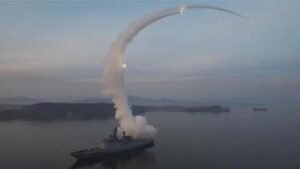
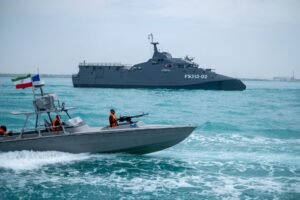

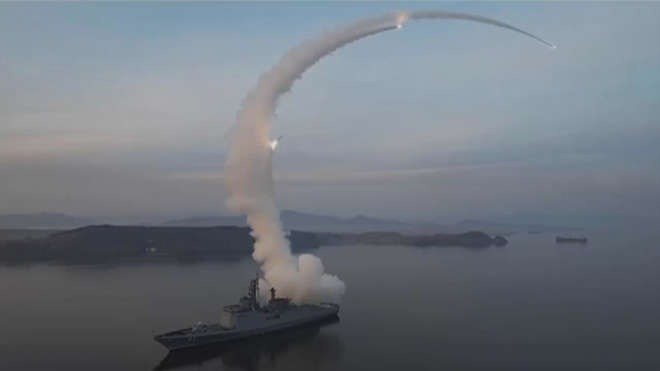
The ongoing conflict in the Middle East has prompted the United States to rapidly redeploy a key missile defense system from South Korea to the region to protect its ally Israel. The move follows successive Iranian missile attacks that have strained Israel’s air defense capabilities.
According to Daljoog News analysis, while Washington seeks to shield its ally, the transfer of advanced systems from East Asia has inadvertently created new security vulnerabilities in the region, raising the risk of broader military tensions.
Experts warn that the shift reflects a highly strategic but potentially destabilizing decision, with implications not just for the Middle East but also for the balance of power in Northeast Asia.
What Happened?
Following intense Iranian missile strikes against Israel, US officials decided to redeploy an advanced air defense system originally stationed in South Korea to the Middle East. Sources indicate that the system, located in the Singu area, is being prepared for rapid transfer under Pentagon supervision.
This system was a crucial component of South Korea’s defense against potential missile attacks from North Korea. Its removal leaves a temporary gap in the peninsula’s air defense network, according to military analysts.
The decision is part of Washington’s urgent effort to bolster Israel’s air defenses in response to Iran’s aggressive missile campaign. Reports suggest that the strikes have already weakened Israel’s protective coverage, compelling the US to act swiftly.
International media, including BBC, The Guardian, and Reuters, have highlighted the dual risks posed by this redeployment: enhanced security for Israel but increased vulnerability for East Asian allies.
Why This Matters
The transfer of missile defenses to the Middle East significantly alters regional security dynamics. In South Korea, the absence of the system could enable North Korea to test or even launch ballistic missiles with reduced risk of interception.
Analysts warn that this shift may trigger a renewed arms race and heighten tensions not only on the Korean Peninsula but across Northeast Asia. Potential consequences include increased military posturing from neighboring powers such as Japan and China.
In the Middle East, the redeployment strengthens Israel’s defenses but may also escalate the ongoing conflict with Iran, as US involvement becomes more visible.
What Analysts or Officials Are Saying
Defense experts describe the decision as “highly strategic but risky,” noting that it prioritizes Israel’s protection over the immediate defense needs of East Asian allies.
They caution that such unilateral moves can disrupt regional power balances, prompting neighboring nations to adjust their military strategies.
Some analysts warn that the temporary gap in South Korea’s missile defense could embolden North Korea to conduct provocative tests or limited strikes, potentially igniting a broader regional crisis.
Daljoog News Analysis
The US decision reflects a prioritization of immediate ally protection over maintaining equilibrium in other theaters. While Israel benefits from reinforced defenses, Northeast Asia faces a temporary vulnerability, raising the risk of an inadvertent escalation.
This development highlights the interconnectedness of global security. Actions taken in the Middle East can ripple across Asia, influencing strategic calculations in countries far from the conflict zone.
Experts argue that while such redeployments may be necessary for urgent defense needs, they must be carefully managed to avoid creating unintended flashpoints elsewhere.
What Happens Next
The immediate focus will be on completing the redeployment of the defense system to the Middle East and ensuring Israel’s air defense coverage remains effective.
In East Asia, governments and militaries are expected to implement contingency measures to compensate for the temporary gaps in missile defenses.
Analysts will be monitoring both theaters closely, as any misstep could spark localized or even regional confrontations.
Daljoog News will continue to report on how Washington balances its global military commitments while managing security risks for multiple allies.