



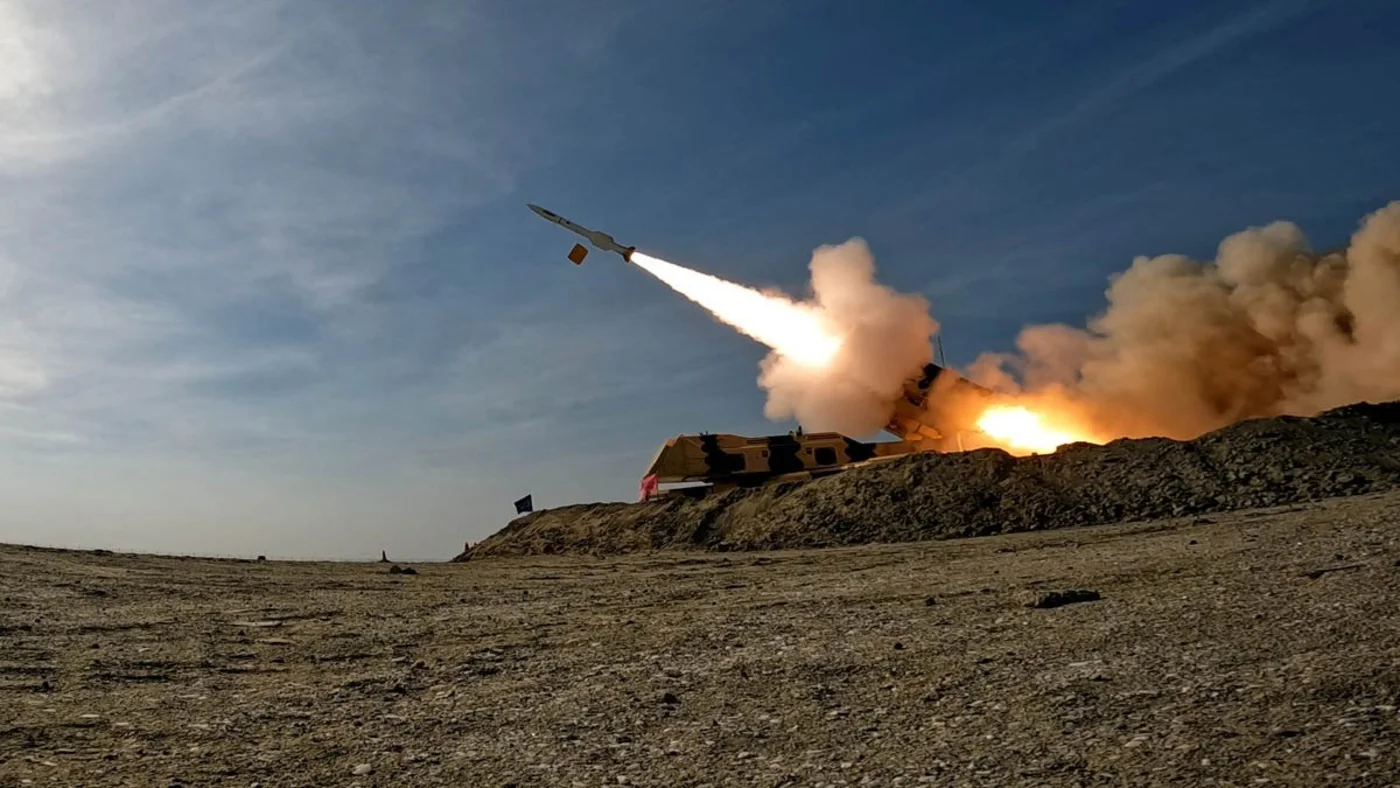
Iran has emerged as a strong military power on the global stage, showcasing its missile capabilities in a recent conflict with Israel. The 12-day confrontation highlighted Iran’s advanced strike technology, drawing attention from defense experts worldwide.
Iran’s modern missile systems successfully breached Israel’s Iron Dome defense, striking multiple locations. This performance has sparked serious questions about the effectiveness of Israel’s security measures. Western analysts now warn that Iran could cause severe damage if it chooses to escalate its military actions.
Former U.S. military officer Colonel Douglas MacGregor stated that Iran’s vast missile arsenal has the potential to devastate Israel in just a single day. He emphasized, however, that Iran does not seek to initiate a war. Yet, its current military readiness is unprecedented and poses a credible deterrent.
Strategic analyst Ibrahim Kalash from Turkey noted that Iran has effectively turned Israel’s Iron Dome into a limited shield. By breaching this defense, Iran has demonstrated its ability to directly challenge Israel’s regional dominance.
Meanwhile, retired Egyptian General Samir Faraj observed that Iran played a decisive role during the 12-day conflict. He said Iranian missile attacks forced top Israeli officials, including Prime Minister Benjamin Netanyahu, to seek shelter—a situation unprecedented in Israel’s history.
Iran’s new-generation hypersonic missiles, particularly the Fatah series, are seen as a strategic threat to both Israel and the United States. Defense publications acknowledge that these weapons can penetrate existing missile defenses, causing severe damage to both military and civilian targets. Currently, there is no effective system capable of countering Iran’s hypersonic technology.
On June 13, Israel launched a military operation aiming to weaken Iran. However, Iranian missile strikes caused significant damage to multiple military and research facilities in Israel. This outcome has heightened concerns among Western defense analysts. They warn that a full-scale Iranian assault could destroy critical installations such as the Dimona nuclear reactor and the Haifa port.
Since the 2019 assassination of General Qassem Soleimani, Iran has carried out several retaliatory strikes against U.S. bases. Notable attacks include the Al Asad base in Iraq and the Al Udeid base in Qatar. Experts say these operations demonstrate Iran’s military precision and strategic reach, underscoring its growing global influence.
Iran’s modern missile technology and military preparedness now have the potential to alter the strategic balance in the Middle East. Analysts argue that Iran has evolved from a regional power into a global military force with substantial deterrence capabilities. This development presents a new and formidable reality for Israel, highlighting the evolving dynamics of Middle Eastern security.
Iran missile power continues to draw global attention, signaling a shift in regional military strategy and emphasizing the need for international vigilance. As Iran strengthens its defense and strike capabilities, Israel and other nations must reassess their security strategies to address this emerging threat.