


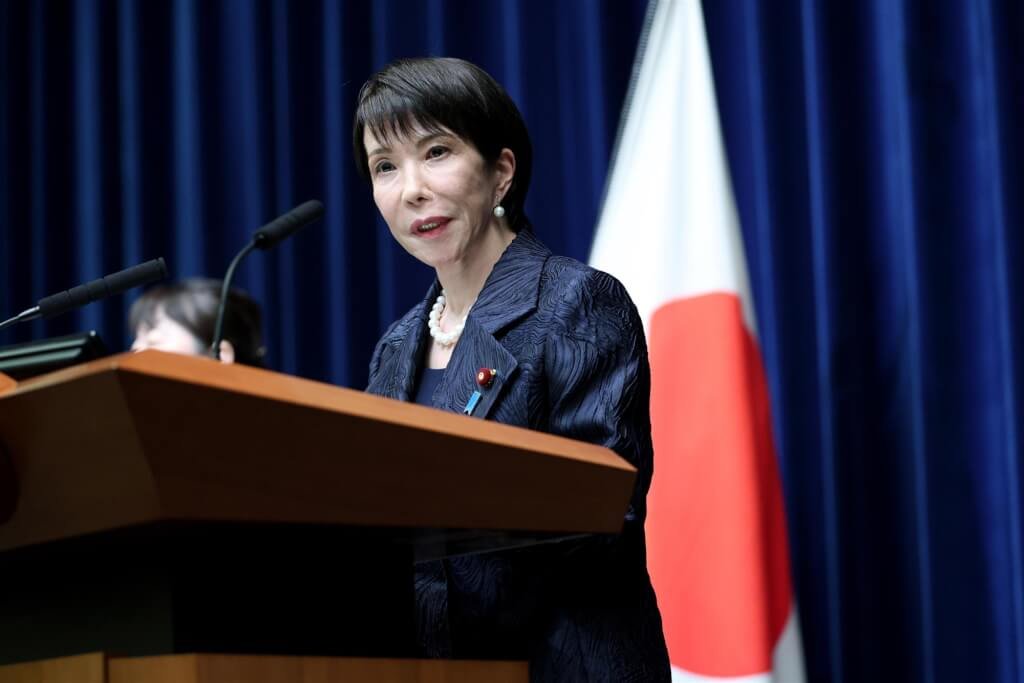
China has issued a strong warning to Japan over its potential reconsideration of nuclear policy, urging Tokyo to avoid pursuing atomic weapons. The Chinese Foreign Ministry emphasized on Monday that Japan must refrain from taking the wrong path on this issue.
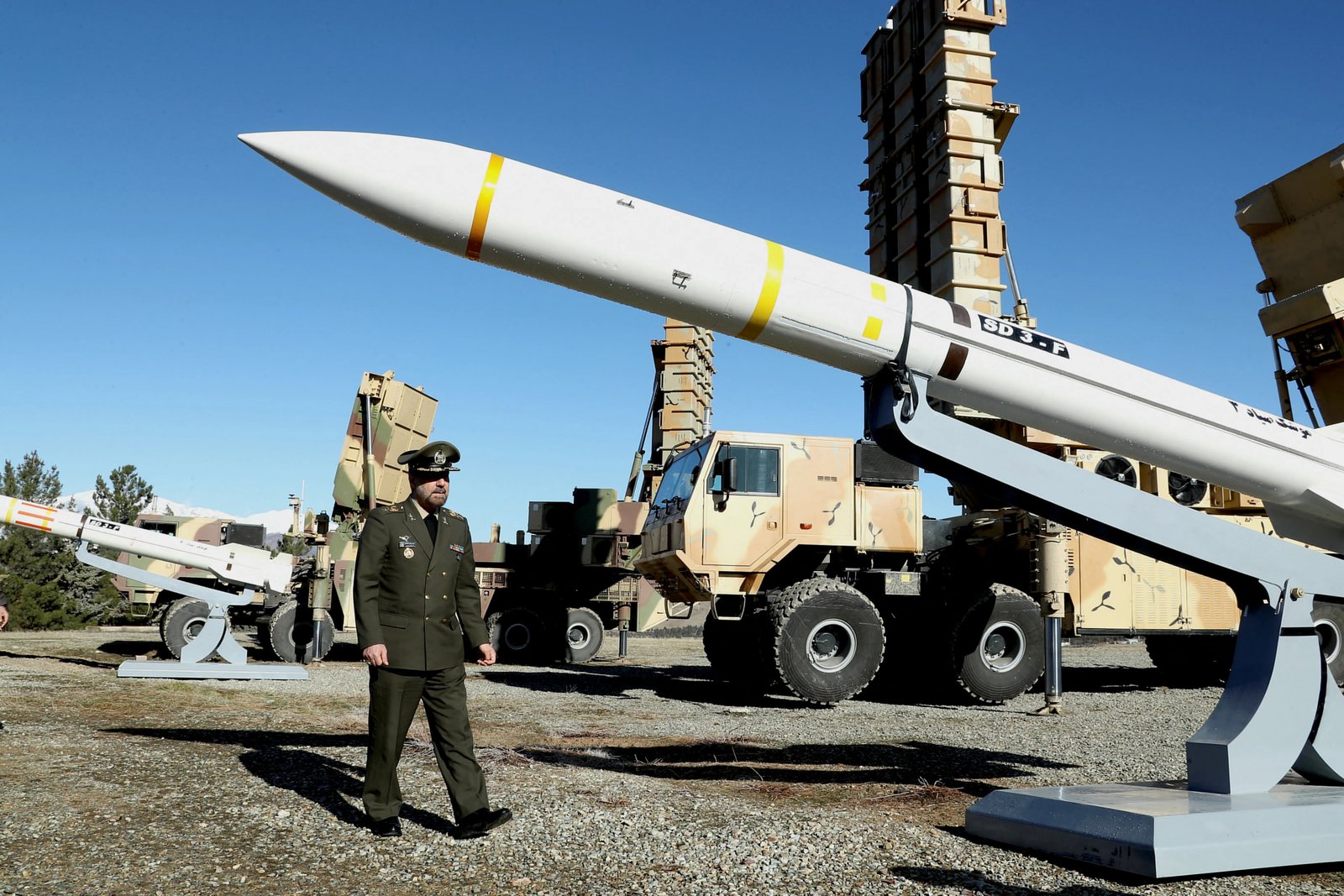
North Korea also expressed concern, warning that Japan’s acquisition of nuclear weapons could lead to significant regional instability. Pyongyang stated that such a move would be a “major disaster” and could escalate tensions in East Asia.
Russia added its voice to the caution, noting that Japan stepping away from its non-nuclear stance could negatively affect security in Northeast Asia. Both China and Russia stressed the importance of maintaining regional stability and preventing an arms escalation.
Meanwhile, South Korean President Lee Jae-myung is expected to visit China and Japan next month. During a television appearance on Monday, Foreign Minister Cho Hyun confirmed that preparations are underway for a meeting between Lee and Chinese President Xi Jinping in early January. Details of the visit will be announced soon.
This will be Lee’s first official trip to China since taking office in June. Analysts anticipate that the talks may focus on North Korea’s nuclear program and potential economic cooperation between the countries.
The warnings from China, along with concerns from North Korea and Russia, underscore the delicate balance of security in Northeast Asia. Japan’s nuclear policy discussions have sparked debate both domestically and internationally, highlighting the potential risks of regional arms proliferation.
China’s statement serves as a reminder of the geopolitical sensitivities in the region, where shifts in military policy can have far-reaching consequences. Tokyo’s response to these warnings will likely influence diplomatic relations with neighboring powers and affect broader regional security dynamics.
Experts say that maintaining dialogue and multilateral cooperation will be critical to preventing escalation and ensuring stability. Japan’s decisions on nuclear policy are being closely monitored, as any move toward weapons development could prompt strong reactions from neighboring countries.
The situation also highlights the interconnected nature of security and diplomacy in East Asia. With North Korea’s ongoing nuclear program and Russia’s interest in regional stability, Japan’s nuclear policy is a focal point for international attention.
As the new year approaches, the planned meetings and ongoing discussions will be watched closely by governments and analysts alike. The outcome of these talks may set the tone for regional security and determine the trajectory of Japan’s nuclear stance in the coming years.