


New York City activated an expanded emergency response this weekend as temperatures plunged close to zero, triggering life-threatening wind chills across all five boroughs.
According to Daljoog News analysis, the city’s move to rapidly add shelter capacity and warming locations reflects growing concern that existing systems may not be enough during prolonged extreme weather events.
The timing is critical. With winter storms becoming more volatile and cold snaps more severe, city leaders are under pressure to protect unhoused residents while avoiding preventable deaths linked to exposure.
What Happened?
Mayor Zohran Mamdani announced a broad expansion of emergency shelter and warming infrastructure as frigid air swept through New York City late Saturday.
Temperatures dipped to near zero degrees overnight, while sustained winds between 20 and 25 miles per hour, with gusts reaching 50 mph, pushed wind chill values into dangerous territory. The National Weather Service issued an Extreme Cold warning starting Saturday morning, expected to last through early Sunday afternoon.
In response, the city opened 64 additional hotel-based shelter units in Queens. These units are intended to provide immediate indoor housing options for vulnerable individuals who might otherwise remain outdoors.
The administration also added 48 new Safe Haven beds in the Bronx. These beds differ from traditional shelters by offering lower barriers to entry, targeting people who often avoid standard shelter environments due to past experiences, mental health concerns, or safety fears.
Beyond overnight beds, the city activated 65 warming spaces across New York. These include hospitals, schools, and houses of worship, supplemented by warming buses stationed near major transit hubs and medical facilities. Two additional warming centers were added in Far Rockaway and Washington Heights, building on ten school-based centers announced earlier in the week.
A full list of locations has been made available through NYC311 and shared via the [Daljoog News Homepage].
Why This Matters
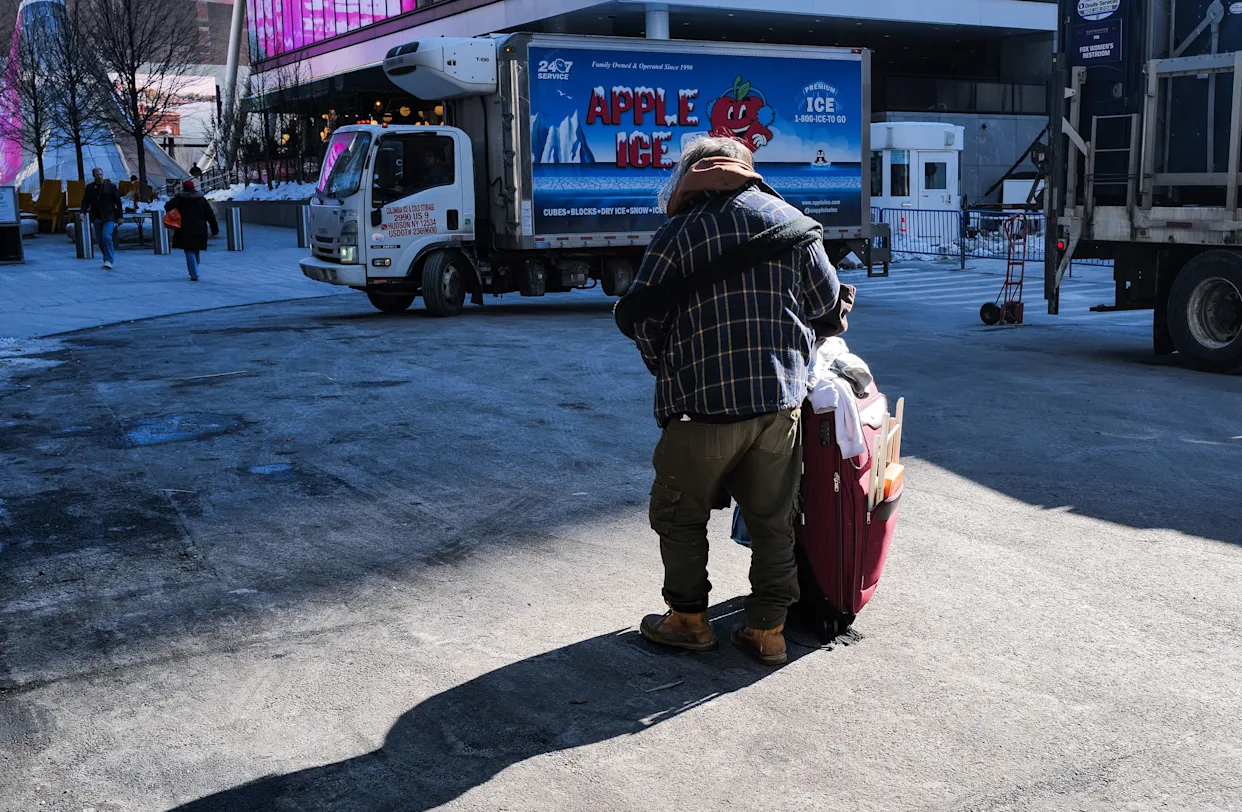
Extreme cold is one of the deadliest weather threats facing unhoused populations, often more lethal than heat waves or storms.
Exposure-related injuries can occur within minutes, especially when wind chill lowers the body’s ability to retain heat. Frostbite, hypothermia, and cardiac stress are common risks, even during short periods outdoors.
New York City has faced repeated criticism in past winters following deaths linked to cold exposure. Each severe weather event raises questions about whether outreach efforts are reaching those most at risk and whether shelter capacity matches the scale of need.
The expansion also highlights a broader housing challenge. Emergency measures, while essential, underscore the absence of long-term housing solutions for thousands of New Yorkers living without stable shelter.
City officials argue that rapid-response infrastructure is necessary during crises, but advocates stress that temporary beds cannot replace permanent housing investments. Readers can explore background reporting through a [Related Daljoog News Article] examining past winter response gaps.
What Analysts or Officials Are Saying
Mayor Mamdani described the weekend temperatures as the coldest of the winter so far, urging anyone still outdoors to seek immediate shelter.
City officials emphasized that even brief exposure could be fatal under current conditions. Public safety agencies framed the response as a full-scale emergency effort rather than a routine seasonal measure.
The city deployed roughly 150 additional outreach workers to locate and assist vulnerable individuals. These teams focus on direct street engagement, helping people move into shelters or warming centers.
More than 50 school nurses were also mobilized, expanding medical monitoring capacity at warming sites and shelters. Health officials say this support is vital, as cold-related illness often worsens existing medical conditions.
In recent weeks, outreach teams have connected more than 1,300 people with shelter placements. Officials also acknowledged that 29 individuals were involuntarily transported to a shelter under emergency mental health and safety protocols.
City Health + Hospitals expanded its mobile warming outreach fleet to 33 units, increasing coverage across high-risk areas. Meanwhile, the Department of Homeless Services continued a pilot peer outreach program that employs formerly unhoused New Yorkers to engage those still living outside.
Officials believe this trust-based approach has improved acceptance rates among people who traditionally decline help.
Daljoog News Analysis
The city’s response is broad, fast-moving, and more aggressive than in some previous winters. That is a positive shift.
However, the reliance on emergency expansion highlights an uncomfortable reality. New York’s homelessness system remains reactive rather than preventive. Each severe cold snap forces the city into crisis mode, scrambling to add beds and warming spaces just as temperatures reach dangerous levels.
The Safe Haven and peer outreach programs suggest officials recognize that traditional shelter models do not work for everyone. This acknowledgment matters, but these programs remain limited in scale compared to the overall need.
There is also a communication challenge. While warming sites exist, people living on the streets may not know where to go or may distrust official messaging. Outreach workers are critical, but their numbers still fall short relative to the city’s unsheltered population.
Extreme weather is no longer an occasional disruption. It is becoming a recurring stress test for urban infrastructure. Without year-round capacity planning and permanent housing expansion, emergency responses risk becoming the default solution.
Further policy context can be found on the [Category Page] covering urban resilience and public safety.
What Happens Next
The immediate focus remains on keeping people indoors until temperatures rise and wind warnings expire.
City agencies are expected to maintain elevated outreach operations through the weekend and reassess capacity needs if cold conditions persist. Additional warming sites could be activated if forecasts worsen or if shelters reach capacity.
Longer term, pressure will mount on the Mamdani administration to show that emergency actions translate into durable policy changes. Advocates are likely to push for expanded Safe Haven beds, stronger mental health outreach, and faster pathways into permanent housing.
Weather volatility suggests that similar emergencies will return before winter ends. Whether the city can shift from short-term crisis management to sustained prevention will shape public confidence and determine how many lives are protected when the next cold front arrives.