



Jordan has emerged as a critical forward hub for U.S. military forces in the Middle East, placing American strike capabilities closer to Iran than ever before. While Amman officially maintains a stance of neutrality, the reality on the ground tells a more complex story.
According to Daljoog News analysis, the buildup of fighter jets, electronic warfare aircraft, and missile defense systems in Jordan signals long-term strategic planning rather than a temporary deployment. The location offers Washington the ability to project power rapidly across multiple potential theaters.
This deployment coincides with rising regional tensions, ongoing U.S.-Iran hostilities, and persistent concerns over proxy conflicts in Syria and Iraq, increasing the stakes for both Jordan and the broader Middle East security environment.
What Happened?
The Muwaffaq al-Salti Airbase in Jordan has been transformed into a major U.S. operational hub. Sources confirm that 24 F-15 Strike Eagles, 30 F-35 stealth fighters, and A-10 Thunderbolt attack aircraft are currently stationed there. Additional assets include electronic warfare aircraft, Patriot missile defense batteries, and extensive logistical support.
The airbase lies roughly 800 kilometers from Iran’s western border, enabling rapid deployment for potential airstrikes or surveillance operations. While Jordanian officials assert that the deployment is intended for regional security and counterterrorism missions, analysts say the scale and composition of the forces suggest preparation for possible operations against Iran.
Military observers note that Jordan now functions as a frontline logistics hub. The strategic positioning allows the U.S. to act quickly across three key areas: conducting stealth attacks against Iran’s air defenses, monitoring or striking Iran-backed militias in Syria and Iraq, and providing an alternative operational base should conflict escalate into the Persian Gulf.
Why This Matters
The concentration of U.S. forces in Jordan significantly alters regional dynamics. Tehran views the airbase as a potential target, signaling that any military escalation could directly threaten Jordanian territory. This creates a precarious situation for Amman, caught between its alliance with the United States and the risk of retaliation from Iran.
The deployment also strengthens U.S. surveillance and strike capabilities in the Middle East. By consolidating aircraft, missile defenses, and logistical assets in a single location, the U.S. has created an integrated military network capable of rapid response to multiple contingencies.
For Iran, the positioning imposes strategic pressure. Any U.S.-Iran conflict could quickly involve Jordan, despite its neutral posture. Analysts suggest this dual reality complicates Jordan’s foreign policy and forces careful balancing between Washington and Tehran.
What Analysts or Officials Are Saying
Military strategists point to the base’s proximity to Iran as a decisive advantage. Stealth fighter jets stationed in Jordan can bypass early warning systems and conduct precision strikes if required. Surveillance over Syria and Iraq provides additional intelligence on Iran-backed groups, enabling the U.S. to act on emerging threats quickly.
Officials also note the messaging value: the base demonstrates U.S. readiness while signaling to Iran that any regional aggression will be met with a robust response. Meanwhile, Jordanian officials emphasize that the deployment serves counterterrorism and regional security purposes, not direct aggression toward Iran.
Observers warn that the base’s existence could complicate negotiations, elevate tensions in the Persian Gulf, and increase the risk of miscalculation.
Daljoog News Analysis
The situation in Jordan illustrates the strategic complexity of Middle East security. While public statements stress neutrality, the geographic and operational realities place Amman at the center of potential U.S.-Iran conflict scenarios.
Daljoog News assesses that Jordan is now a de facto forward operating base for U.S. power projection. Its airbase, logistical capacity, and proximity to Iran give the U.S. three distinct operational advantages while simultaneously exposing Jordan to strategic risk.
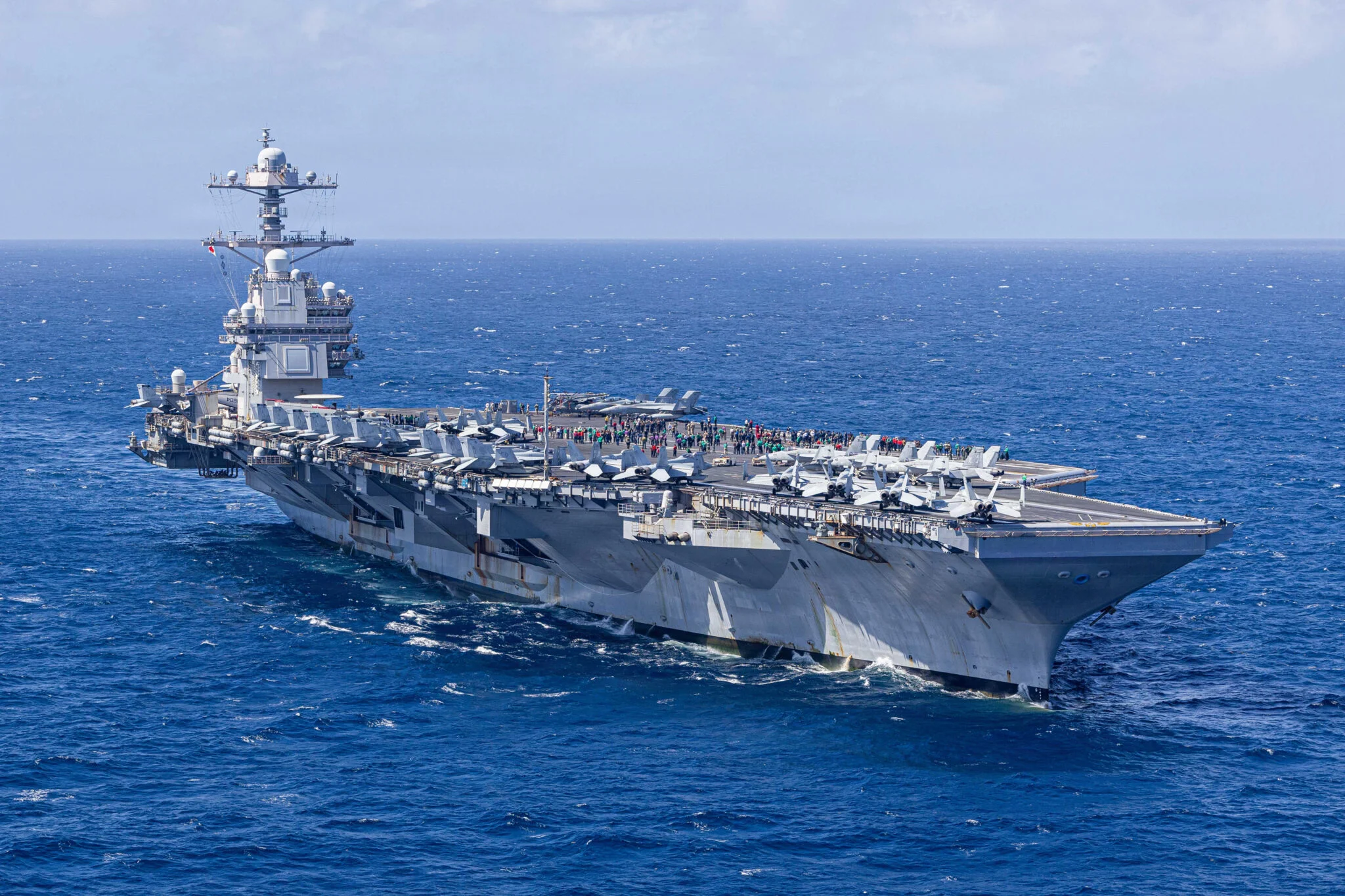
The current setup highlights a broader U.S. approach of networked military presence across the region. Carrier groups, missile defense batteries, and forward-deployed air assets work in concert to maintain deterrence and rapid-response capability.
For Jordan, the challenge lies in navigating its alliance with the U.S. while avoiding direct confrontation with Iran. Any escalation in the Persian Gulf could thrust the country into an unwanted conflict, despite official claims of neutrality.
What Happens Next
U.S. military presence in Jordan is expected to remain in place as tensions with Iran continue. Analysts predict increased surveillance flights, readiness exercises, and coordination with regional allies.
Diplomatic channels between Washington and Tehran remain active, but the military positioning ensures that contingency options are immediately available. Any regional flare-up could see rapid deployment of U.S. aircraft from Jordan to Iranian targets or neighboring conflict zones.
Jordan will likely continue emphasizing its neutral stance publicly while hosting significant U.S. capabilities, creating a delicate balance between operational readiness and political messaging.
The evolving situation underscores the fragility of Middle East stability and the high stakes for countries hosting foreign military forces amid ongoing geopolitical tension.