


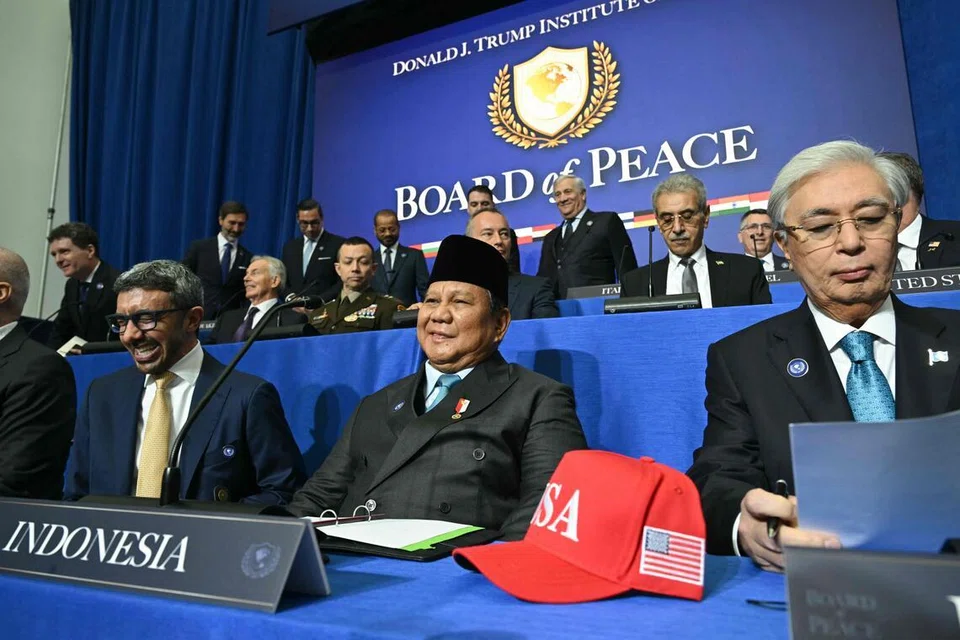
Amid ongoing violence in Gaza, Indonesia has committed to a significant role in the international peacekeeping mission. The country will deploy troops to help monitor the fragile ceasefire and protect civilians.
According to Daljoog News analysis, Indonesia’s participation as deputy commander signals both regional engagement and growing global coordination, reflecting a broader push by world leaders to stabilize the conflict zone.
The timing is urgent: daily attacks continue to affect Palestinian residents, and the international force is preparing to scale up operations, potentially involving tens of thousands of personnel across multiple sectors.
What Happened?
Indonesian Foreign Minister Sugianto announced that the country will contribute troops to the Gaza peacekeeping mission as deputy commander. The deployment will occur in phases, covering approximately five operational sectors, with total troop numbers expected to reach 20,000.
Indonesia has prepared an initial contingent of 1,000 soldiers ready for deployment by early April. The peacekeeping force will monitor the ceasefire, ensure adherence to agreements, and maintain safe distances between civilians and occupying forces.
Hamas spokesperson Hazim Qasem emphasized that Gaza’s internal affairs should not be interfered with and described the peacekeepers’ role as observational and non-intrusive. The force will focus on supervising compliance with agreements and reducing direct risks to residents.
Why This Matters
The addition of Indonesia to a leadership role strengthens the international credibility of the Gaza mission. By deploying a substantial contingent, Jakarta demonstrates commitment to stabilizing a region where civilian lives are increasingly at risk.
The mission is also important politically. It allows international actors to implement ceasefire agreements while respecting local sensitivities. Effective monitoring could prevent further escalations, protect humanitarian corridors, and create conditions for longer-term negotiations.
What Analysts or Officials Are Saying
Experts note that establishing a centralized coordination office under the Palestinian Authority is a critical step. Led by Prime Minister Mohammad Mostafa, the office will oversee interactions between local authorities and the peacekeeping force. Vice President Hussein Al Sheikh has indicated the office is nearly operational and will serve as the main conduit for implementing US-backed peace plans and UN Security Council Resolution 2803.
Officials suggest that this approach balances international oversight with Palestinian control, minimizing friction and ensuring the peacekeeping force operates within agreed parameters.
Daljoog News Analysis
Indonesia’s deputy commander role is more than symbolic. It provides a stabilizing presence, signals Southeast Asia’s involvement in global security, and offers a model for coordinated multinational interventions.
While the mission will face operational challenges, including ensuring troop safety and managing tense interactions between civilians and armed factions, early deployment and phased sector assignments increase the chances of sustained effectiveness.
The establishment of a coordination office also underscores the need for structured oversight, highlighting lessons from previous peacekeeping efforts where fragmented command reduced impact.
What Happens Next
Indonesia will begin phased troop deployment in April, with ongoing assessments to determine adjustments in personnel or sector coverage. The international force is expected to coordinate closely with Palestinian authorities to address humanitarian needs, security challenges, and legal concerns between Gaza and the West Bank.
Observers will track whether the mission successfully reduces civilian casualties, prevents escalation, and lays the groundwork for longer-term diplomatic negotiations. Jakarta’s leadership could also influence other regional powers to participate actively in stabilizing Gaza.