

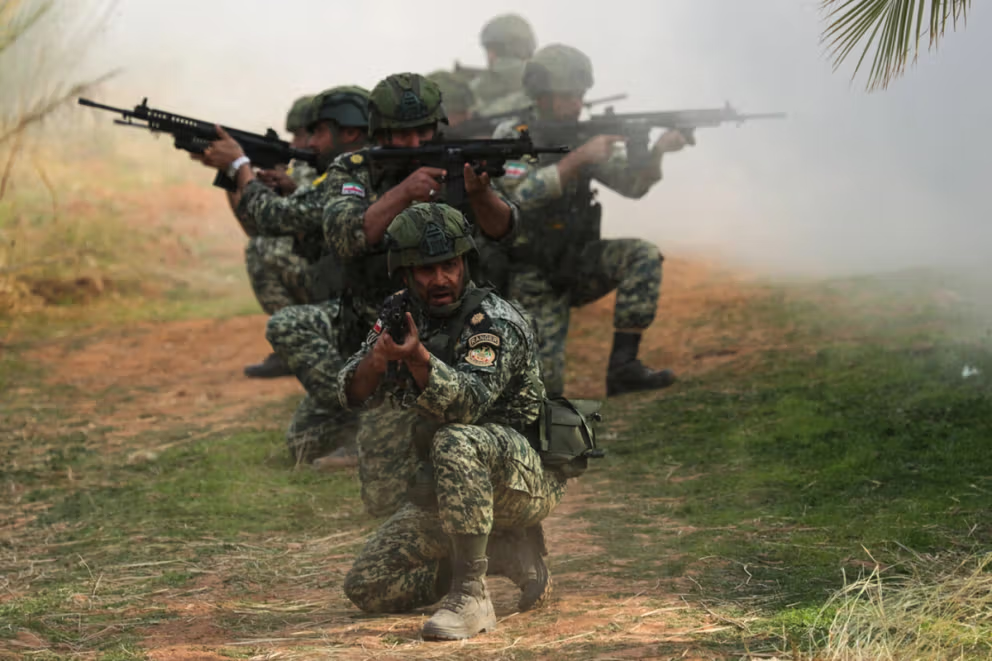
Iran’s top military officials have claimed that millions of its troops are fully prepared for war, escalating tensions with the United States amid ongoing disputes over regional influence and nuclear capabilities.
According to Daljoog News analysis, the statements reflect Tehran’s strategy of projecting strength to deter U.S. action, while highlighting internal divisions within the Trump administration over a potential military strike.
Experts say the situation underscores the delicate balance in the Middle East, where U.S. forces are heavily deployed but face logistical and political constraints.
What Happened?
Major General Amir Hatami, Iran’s defense chief, warned that the country is ready to confront any U.S. military action. He asserted that the Iranian armed forces are committed to defending national interests and would not allow foreign powers to execute any hostile plans.
Reports indicate that the Trump administration has hesitated to launch attacks on Iran due to concerns about potential losses, vulnerabilities at U.S. bases in the region, and the lack of coordinated support from allied nations. Senior military officials reportedly advised caution, citing equipment shortages and reliance on U.S. stockpiles diverted to Israel for its security.
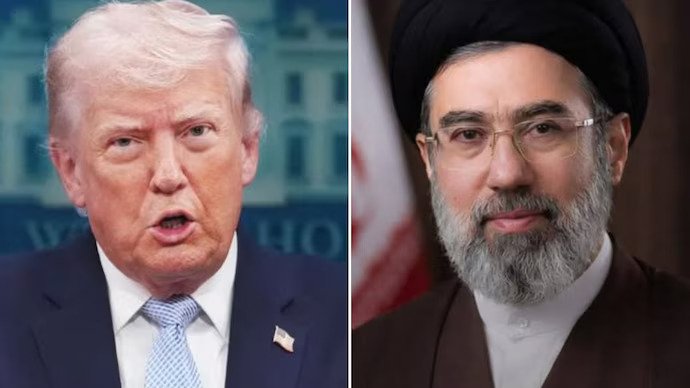
President Donald Trump has publicly downplayed the threat, insisting that U.S. forces would easily prevail in any conflict. He also criticized media reports claiming U.S. military leadership expressed hesitation, calling them “completely false.”
Why This Matters
Iran’s declarations of military readiness highlight the potential risks of escalation in an already volatile Middle East. Analysts note that even a limited conflict could have far-reaching consequences for U.S. forces stationed in the region and for global energy markets.
The standoff also exposes internal tensions within Washington. Military advisors caution that U.S. bases and assets in the Middle East may be less fortified than assumed, complicating any planned strikes. This dynamic adds pressure on the administration to weigh aggressive action against potential strategic and humanitarian costs.
What Analysts or Officials Are Saying
State-affiliated Iranian media outlets report that U.S. personnel may underestimate Iran’s determination and morale. General Hatami emphasized that Iran’s troops are willing to sacrifice their lives to thwart any hostile intervention. Analysts interpret this rhetoric as both a deterrent and a signal of Iran’s readiness to mobilize rapidly if threatened.
Meanwhile, U.S. officials remain divided. Some senior military advisors reportedly urge caution, noting logistical challenges and limited regional support, while President Trump maintains public confidence in American military superiority.
Daljoog News Analysis
Iran’s statements serve both domestic and international purposes: reassuring citizens of national security while signaling to Washington and its allies that any miscalculated strike could provoke a strong, organized response.
The situation also illustrates a broader geopolitical challenge. U.S. forces face vulnerabilities in the region, including stretched supply lines and reliance on allies who may be reluctant to commit troops or resources. These realities make unilateral military action politically and operationally complex.
What Happens Next
Tensions are likely to remain high as both Tehran and Washington monitor each other’s moves. U.S. intelligence, regional allies, and military strategists will continue to assess Iran’s capabilities and readiness, while diplomatic efforts may attempt to de-escalate the situation.
Any misstep or miscommunication could lead to an escalation with consequences for regional stability and global energy markets. Analysts will closely watch statements from both countries’ military and political leaders, as well as movements of forces in the Middle East.