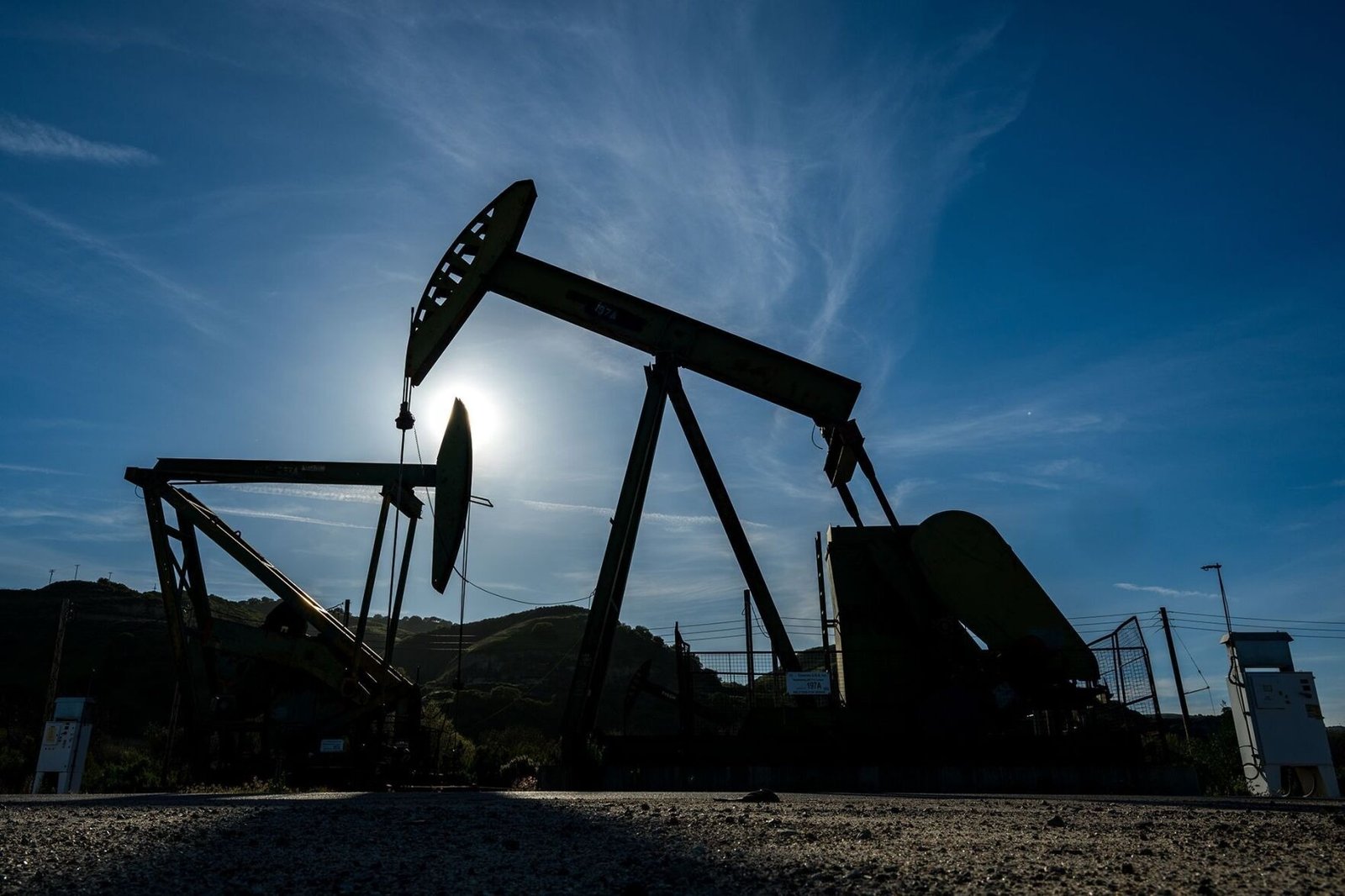



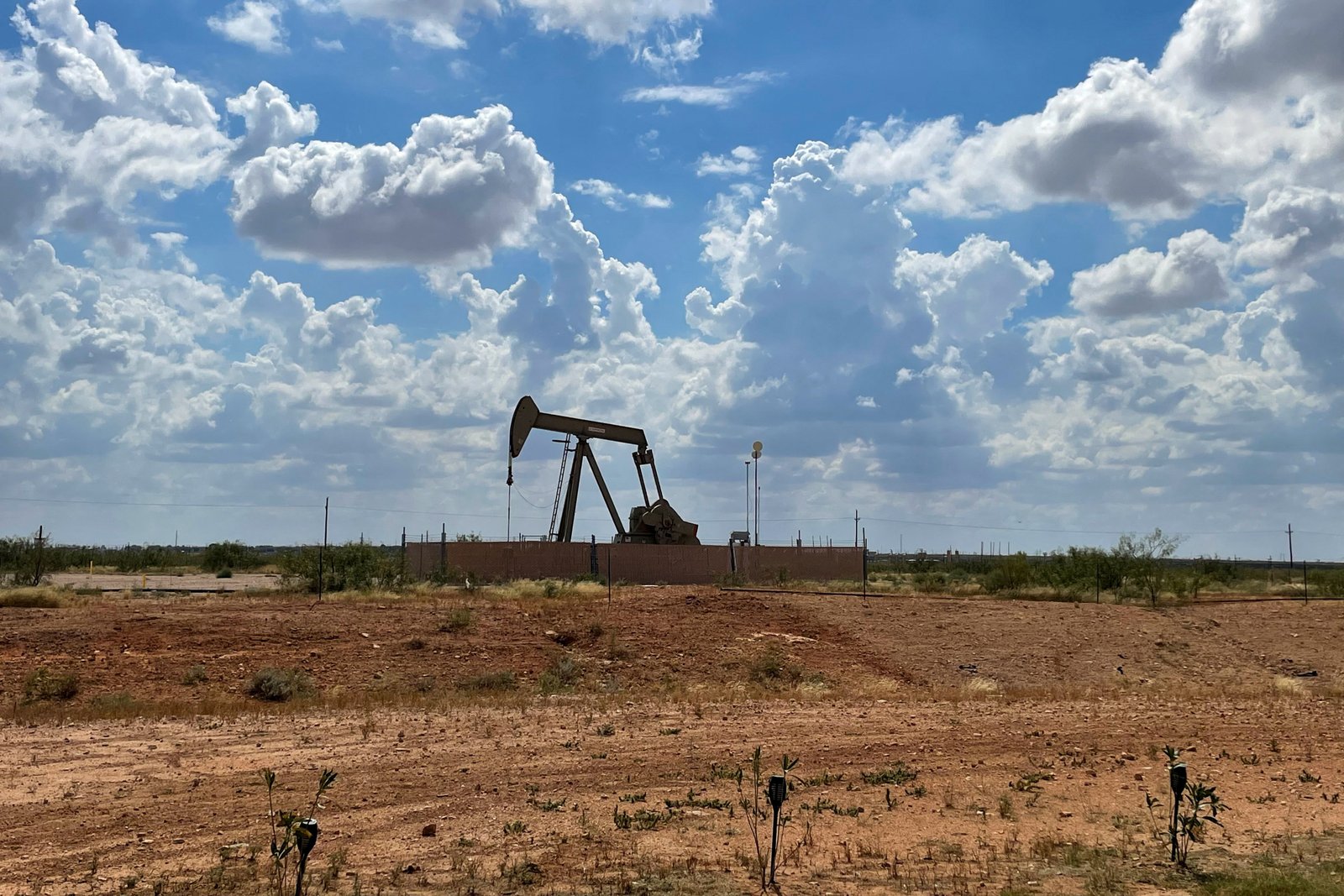
Oil prices fell on Thursday as investors considered the possibility of renewed peace talks between the United States and Iran. The market movement came despite continued concerns about attacks and disruptions in the Middle East, a region central to global energy supplies. Brent crude and US West Texas Intermediate both declined in early trading, reversing part of the previous session’s rise. The change shows how quickly oil markets can respond to signals about diplomacy, supply risks and the prospect of further military action.
Reports of renewed diplomatic contact have encouraged some traders to believe that the conflict could eventually ease. US Vice President JD Vance was reported to have sent a letter to Iranian official Mohsen Rezaei seeking to revive negotiations. Qatar has also been involved in efforts to find a way forward. However, Iranian officials have rejected a draft proposal as unacceptable, leaving uncertainty over whether the discussions can produce a workable agreement.
The risk to shipping remains a major factor in the market. The Strait of Hormuz is a vital route for oil and other energy products, and any disruption can affect supply expectations around the world. Attacks involving Yemen’s Houthi movement have added to concerns about regional security and the movement of commercial vessels. Even when oil continues to flow, the threat of disruption can raise transport and insurance costs.
Supply figures from the United States also influenced trading. Official data showed that crude inventories fell by 1.9 million barrels in the week to October 23, contrary to expectations for a small increase. Gasoline stocks rose unexpectedly, offering a different signal about demand and refining activity. Inventory reports are closely watched because they provide information about the balance between supply and consumption in one of the world’s largest oil markets.
Oil prices affect a wide range of industries. Higher costs can raise expenses for airlines, shipping firms, manufacturers and households. They can also increase inflation, making it more difficult for central banks to reduce interest rates. Lower prices may ease some of that pressure, but sharp falls can hurt producers and governments that rely on energy income.
The market’s next move will depend on whether diplomatic signals become concrete progress and whether supply routes remain secure. Traders will also watch production levels, refinery activity and demand from major economies. A sustained reduction in tension could help prices fall further, while renewed attacks or a breakdown in negotiations could quickly reverse the decline.
For businesses and consumers, the latest movement is a reminder that energy prices remain closely linked to geopolitical events. Diplomacy can improve market confidence, but only a durable agreement and reliable supply conditions would remove the underlying risks. Until then, oil markets are likely to remain sensitive to every new signal from the region.