
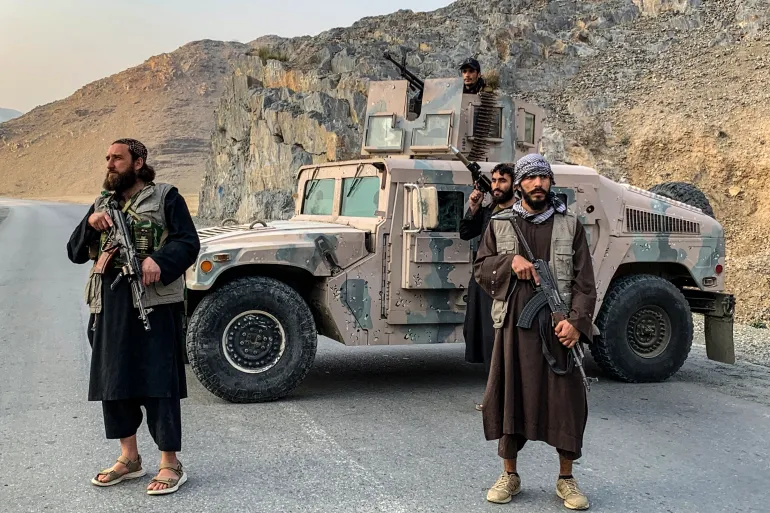
Hostilities along the Pakistan-Afghanistan border are escalating, with both sides reporting heavy military and civilian casualties. Recent Pakistani operations claim to have inflicted significant losses on Afghan forces, while Afghanistan has launched counterattacks, capturing posts and seizing weapons.
According to Daljoog News analysis, the deterioration of relations stems from Pakistan’s longstanding support of Taliban factions, which has emboldened insurgents and fueled cross-border violence. The current conflict highlights the fragility of security arrangements in a region already destabilized by decades of war.
The rising conflict comes as Taliban influence expands in Afghanistan, aided by Pakistan’s strategic support. Analysts warn that the combination of foreign backing and domestic insurgency complicates prospects for peace and intensifies humanitarian risks for border communities.
What Happened?
The Pakistani military reported that its operations have killed 274 Afghan soldiers and wounded more than 400. Pakistani forces also claim to have destroyed 73 Afghan security posts, seized 17, and neutralized 115 tanks and artillery units.
Afghanistan’s Ministry of Defense countered, stating that Afghan forces carried out retaliatory operations targeting Pakistani posts along the border. Kabul claims 55 Pakistani soldiers were killed, several hundred weapons were seized, and multiple troops were captured. Afghan forces reportedly took control of two Pakistani headquarters and 19 border checkpoints.
The escalation follows a series of Pakistani airstrikes targeting Taliban and Afghan positions, prompting counterattacks from Afghan military units in border provinces. Both sides accuse the other of provoking the violence, with casualties mounting among soldiers and civilians alike.
Why This Matters
The conflict marks a dangerous intensification of Pakistan-Afghanistan relations, threatening regional stability in South Asia. Cross-border operations risk drawing in additional insurgent groups and complicating international mediation efforts.
Pakistan’s support for the Taliban has historically strained relations with Kabul, fueling mistrust and undermining peace agreements. Civilian populations in border areas face displacement, loss of property, and limited access to essential services, adding urgency to humanitarian concerns.
What Analysts or Officials Are Saying
Experts highlight Pakistan’s dual strategy of bolstering Taliban forces while conducting military operations against Afghan units. This approach serves both tactical and strategic objectives, consolidating influence in Afghanistan while countering perceived threats along its border.
Regional observers and international organizations stress that escalating violence endangers long-term peace initiatives. Calls for dialogue and restraint have come from neighboring countries, including Iran and China, as well as the United Nations, warning that continued hostilities could deepen the humanitarian crisis.
Daljoog News Analysis
Daljoog News notes that Pakistan’s actions are a clear signal of its continued investment in Taliban-aligned groups. By strengthening these forces, Islamabad aims to maintain strategic leverage in Afghan politics.
However, these operations carry significant risks. Afghan retaliation and civilian casualties can provoke international condemnation, complicate diplomatic ties, and potentially draw in other regional actors. The border skirmishes underscore the fragile balance between military strategy and humanitarian considerations.
What Happens Next
Both Pakistan and Afghanistan are likely to continue military maneuvers along the border, with further air and ground operations expected. International mediators and the UN may step up diplomatic engagement to de-escalate tensions.
Humanitarian agencies are expected to monitor the situation closely, providing aid to displaced civilians and coordinating with local authorities. The conflict’s evolution will remain a key test of regional stability and the international community’s capacity to intervene in South Asia.