


Israel Lebanon Hezbollah cooperation discussions have taken place in Washington, bringing together Israeli and Lebanese representatives in a rare US-mediated diplomatic meeting focused on regional security concerns.
According to Daljoog News analysis, the talks reflect an unusual convergence of interests between two countries without formal diplomatic relations, driven primarily by concerns over Hezbollah’s growing influence in Lebanon.
The meeting marks one of the most significant direct engagements between Beirut and Tel Aviv in over three decades, signaling cautious but notable diplomatic movement.
What Happened?
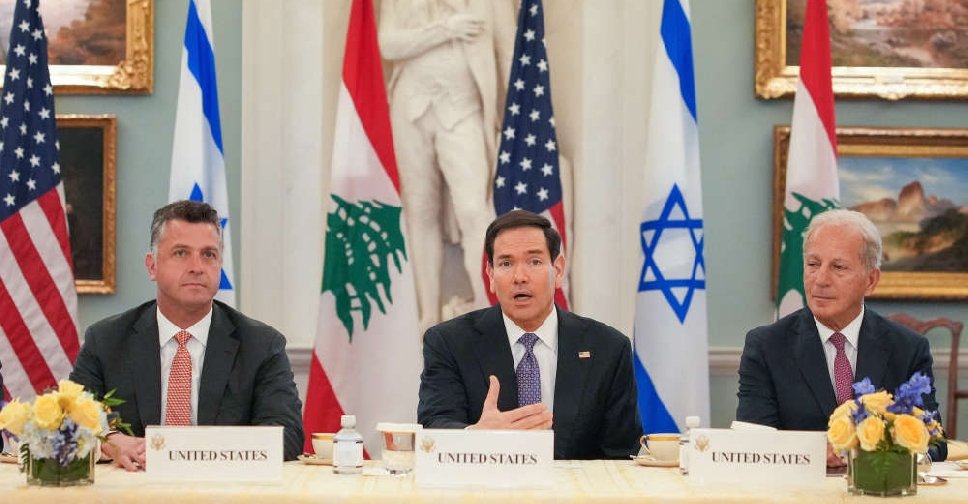
Israel Lebanon Hezbollah cooperation talks were held in Washington, DC, under US mediation, bringing together delegations from Israel and Lebanon for direct discussions on regional security dynamics.
The meeting was facilitated by the United States and attended by senior diplomatic figures, including US Secretary of State Marco Rubio.
Israel’s ambassador to the United States, Yechiel Leiter, stated that both sides agreed on the need to reduce the influence of Hezbollah within Lebanon.
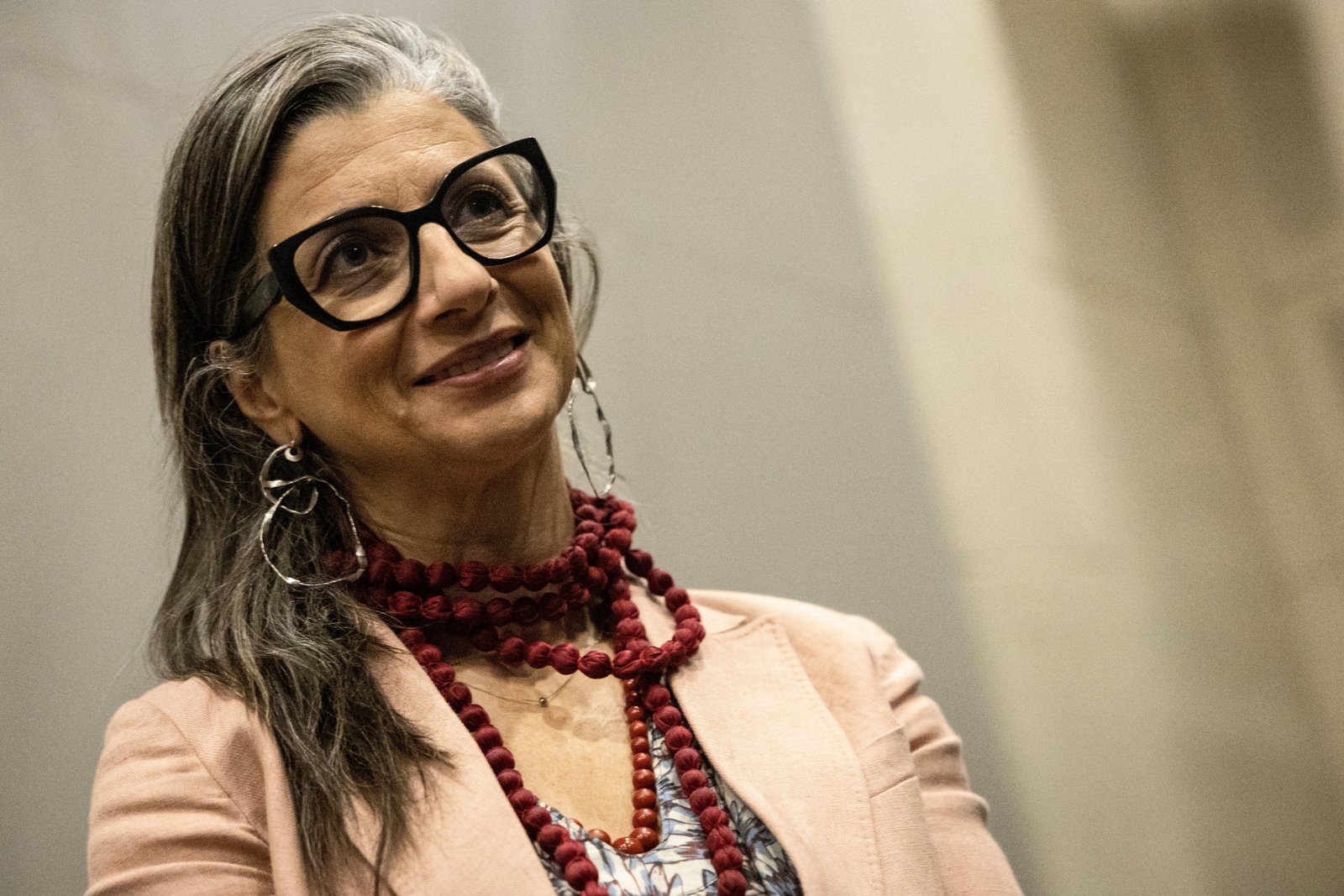
Lebanon was represented by its US-based diplomatic team, including officials such as Nadine Aoun, who participated in discussions alongside Israeli counterparts.
The central focus of the Israel Lebanon Hezbollah cooperation talks was to explore ways to limit Hezbollah’s military and political influence, which both Israeli officials and segments of the Lebanese side view as a destabilizing factor.
This marks one of the few direct engagements between the two sides since the early 1990s, underscoring the rarity of such diplomatic contact.
Why This Matters
Israel Lebanon Hezbollah cooperation discussions highlight a shifting security landscape in the Middle East, where long-standing political barriers are being tested by shared regional concerns.
Lebanon and Israel have no formal diplomatic relations, making any direct engagement a significant development in itself.
Hezbollah’s role as a powerful armed and political actor adds further complexity, as it remains deeply embedded in Lebanon’s internal power structure while also being viewed as a regional security threat by Israel.
The talks suggest that external mediation, particularly by the United States, remains essential in managing high-risk regional tensions.
What Analysts or Officials Are Saying
US officials involved in facilitating the Israel Lebanon Hezbollah cooperation talks say the goal is to reduce escalation risks and encourage structured communication between the two sides.
Israeli representatives argue that limiting Hezbollah’s influence is critical for regional stability and border security.
Lebanese officials maintain that any discussions must respect national sovereignty and internal political realities, especially given Hezbollah’s embedded role in domestic governance.
Analysts note that while the talks are historically significant, deep mistrust and conflicting strategic goals will make sustained progress difficult.
Daljoog News Analysis
Israel Lebanon Hezbollah cooperation talks demonstrate how security concerns can temporarily override decades of political hostility.
Daljoog News analysis suggests that the meeting is less about immediate resolution and more about establishing controlled communication channels in a highly volatile environment.
While both sides appear to agree on the issue of Hezbollah’s influence, their motivations differ sharply, which limits the scope of any long-term alignment.
The reliance on US mediation further highlights the absence of direct trust, making external actors central to any potential diplomatic progress in the region.
What Happens Next
The future of Israel Lebanon Hezbollah cooperation talks will depend on whether this initial engagement develops into structured negotiations or remains symbolic.
Continued US involvement is expected, as Washington plays a key role in facilitating communication between the two sides.
However, any substantive agreement will require navigating deep political divisions within Lebanon and longstanding security concerns from Israel.
For now, the talks represent a rare but cautious diplomatic opening in one of the Middle East’s most sensitive conflicts.