


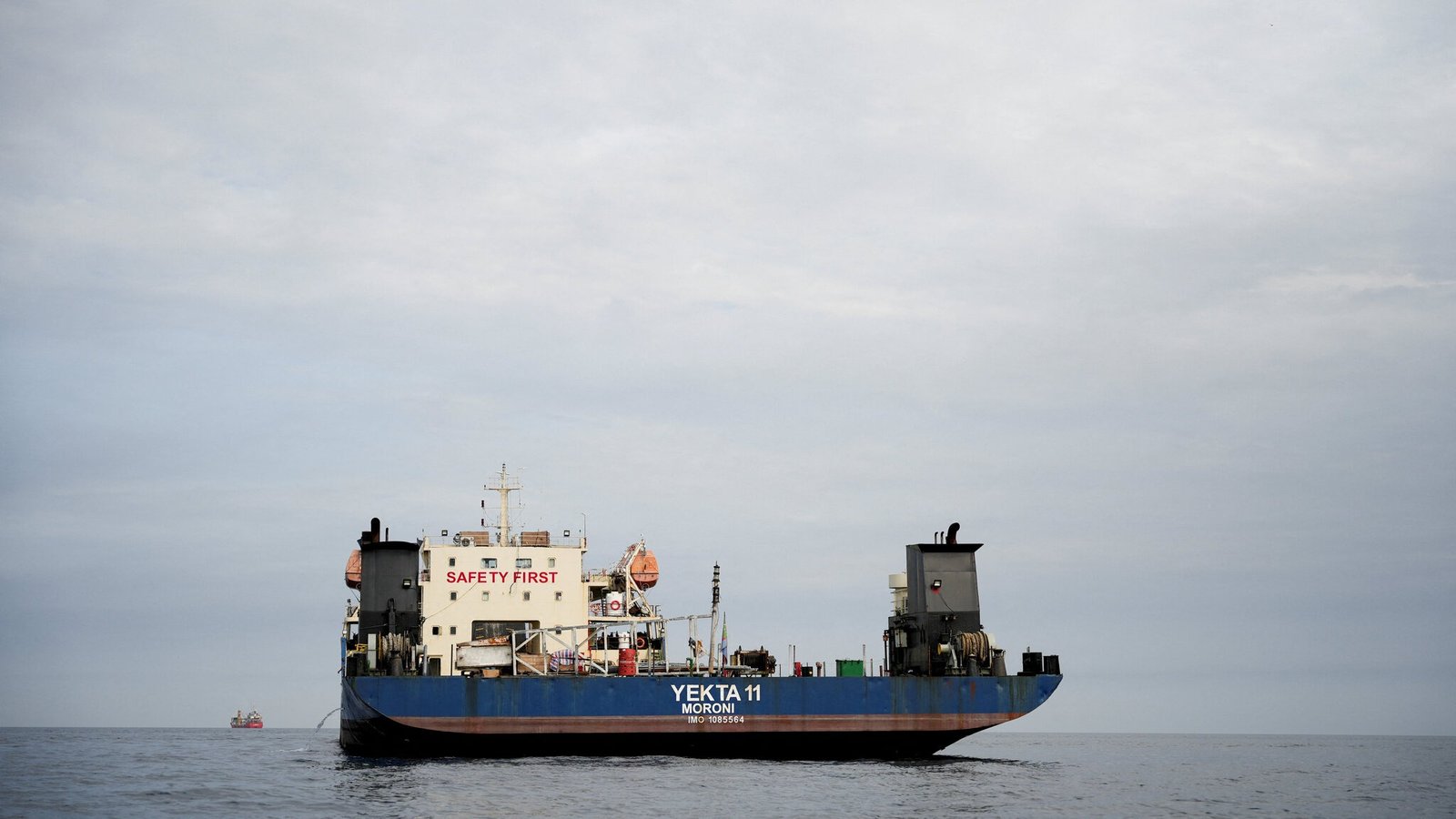
Hormuz blockade tensions eased after the United States stepped back from plans to restrict the critical waterway, following strong warnings from Iran that raised the risk of a wider regional crisis.
According to Daljoog News analysis, the decision reflects Washington’s effort to avoid a dangerous escalation that could disrupt global energy supplies and trigger instability across multiple maritime routes.
The shift comes at a sensitive time, as diplomatic efforts quietly resume and global powers move to prevent a conflict that could impact international trade and security.
What Happened?
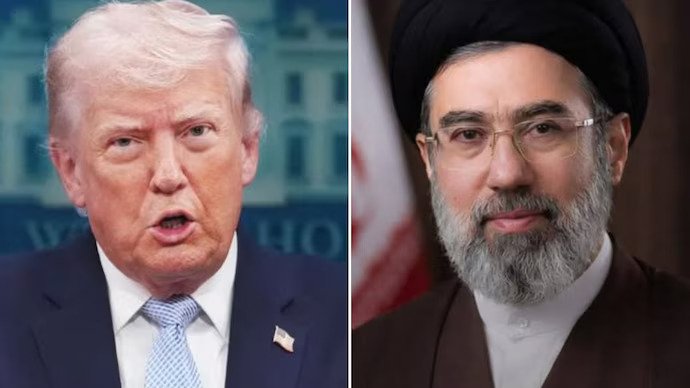
US President Donald Trump confirmed that Washington would not proceed with a Hormuz blockade, reversing earlier signals of a tougher maritime strategy in the region.
In a statement on Truth Social, Trump said keeping the waterway open serves global interests, noting that the move benefits not only the United States but also major economies, including China.
The reversal followed direct warnings from Iran, which threatened to block shipping across the Red Sea, the Gulf of Oman, and the Persian Gulf if the Hormuz blockade went ahead.
Iranian military officials made it clear that any disruption to their trade routes would be treated as a direct threat, with possible retaliation targeting commercial vessels and strategic shipping lanes.
At the same time, Trump disclosed that he had sent a message to Xi Jinping, urging Beijing not to provide weapons to Iran. He later indicated that China denied any such involvement.
Diplomatic movements also increased, with Pakistan’s army chief Field Marshal Asim Munir arriving in Tehran carrying messages ahead of a possible second round of talks between Washington and Tehran.
Why This Matters
The Hormuz blockade issue is critical because the Strait of Hormuz carries a major share of the world’s oil supply. Even the threat of disruption can push global markets into uncertainty.
By stepping back from a Hormuz blockade, the US has reduced the immediate risk of confrontation. However, tensions remain high, and both sides continue to maintain strong positions.
Iran’s warning extended beyond Hormuz, highlighting its ability to disrupt multiple shipping routes. This raised concerns among global trade partners who rely on stable maritime flows.
The situation also shows how quickly regional tensions can involve global powers, particularly with China and Pakistan playing indirect roles in the unfolding developments.
What Analysts or Officials Are Saying
US officials describe the halt of the Hormuz blockade as a calculated move to protect global stability while maintaining pressure on Iran through other channels.
Iranian authorities continue to frame their stance as defensive, emphasizing their right to protect national interests and ensure uninterrupted trade.
Officials in Tehran have indicated that talks with Washington are aimed at securing economic relief and protecting the rights of Iranian citizens amid ongoing tensions.
At the United Nations, Iran’s representative has pushed for financial compensation linked to damages from recent conflicts, placing responsibility on the US and its regional allies.
Daljoog News Analysis
The decision to halt the Hormuz blockade highlights the limits of military pressure when global economic risks are at stake.
Washington appears to have recognized that enforcing a Hormuz blockade could trigger consequences far beyond its initial objectives, affecting allies and global markets alike.
Iran’s response strategy, including threats to expand disruption across multiple routes, seems to have played a key role in shaping the outcome.
Daljoog News analysis suggests that both sides are now navigating a narrow path between pressure and diplomacy. While the immediate crisis has eased, the underlying conflict remains unresolved and highly volatile.
What Happens Next
Attention is now shifting to the possibility of renewed negotiations between the United States and Iran, with mediation efforts likely to continue behind the scenes.
If talks move forward, key issues will include sanctions, regional security, and maritime stability, all of which are closely tied to the Hormuz blockade tensions.
However, any breakdown in dialogue could quickly bring back threats to shipping routes, including renewed discussions of restrictions or countermeasures.
Global markets and regional stakeholders will remain alert, knowing that stability in the Strait of Hormuz is essential for economic security worldwide.