


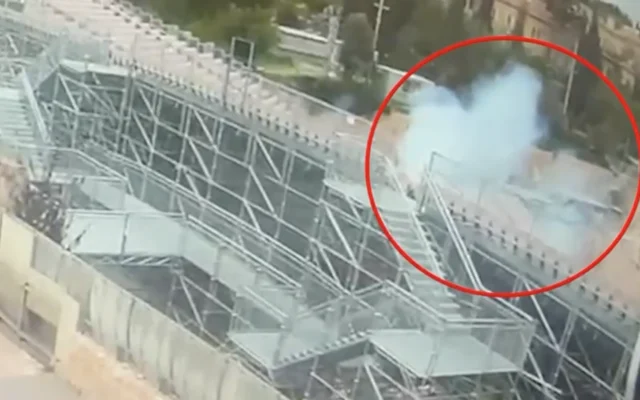
A ballistic missile launched from Iran struck Jerusalem amid the ongoing conflict with Israel, escalating tensions in the already volatile Middle East.
According to Daljoog News analysis, the direct strike on Jerusalem represents a significant intensification, signaling Tehran’s willingness to target key urban and symbolic sites in Israel.
The attack comes as hostilities between Iran and Israel continue to unfold, following recent cross-border exchanges and regional military maneuvers.
What Happened?
The Qatar-based media outlet Daljoog reported that one of the missiles fired from Iran hit the city of Jerusalem directly.
Before the strike, warning sirens sounded across both East and West Jerusalem, alerting residents to the incoming projectile. Israeli civil defense units were activated to manage potential casualties and damage.
East Jerusalem, captured by Israel following the 1967 Six-Day War, remains administratively under Israeli control, though Palestinians continue to claim the area as part of their future state. The city hosts the Al-Aqsa Mosque, considered the third-holiest site in Islam after Mecca and Medina, making the attack particularly sensitive.
Why This Matters
A missile hitting Jerusalem marks a new level of escalation in the Iran-Israel conflict. Beyond immediate security concerns, it carries symbolic and psychological weight given the city’s religious and political significance.
The strike risks provoking further retaliation from Israel and potentially drawing other regional actors into the confrontation. Civilian populations face heightened risk, and the strike could influence international responses to the crisis.
The attack also underscores Iran’s capacity to reach major urban centers within Israel, signaling both technical capability and strategic intent to challenge Israeli defense systems.
What Analysts or Officials Are Saying
Security experts note that targeting Jerusalem indicates a willingness by Iran to move beyond proxy-based confrontations to direct strikes on major cities.
Israeli officials are likely reviewing missile defense systems and potential countermeasures. Analysts suggest that any future escalation could involve both aerial and cyber operations alongside conventional military responses.
Regional observers warn that continued strikes on highly symbolic sites risk intensifying sectarian and political tensions across the Middle East.
Daljoog News Analysis
The missile strike on Jerusalem reflects a deliberate escalation strategy. Beyond immediate military impact, the attack sends a message of deterrence and regional reach.
Iran may be leveraging the symbolic importance of Jerusalem to reinforce domestic support and demonstrate influence to allies and adversaries alike. At the same time, the attack challenges Israel’s ability to protect both its urban population and its most sensitive religious sites.
International actors are now faced with the challenge of mediating or responding to the crisis without further exacerbating hostilities. How global powers react may shape the conflict’s trajectory and influence broader Middle East stability.
What Happens Next
Heightened alertness is expected across Israel, particularly in Jerusalem and surrounding regions.
Israel may respond with targeted strikes or reinforce its defensive measures, while Iran could continue launching missiles or mobilizing proxies to maintain pressure.
The international community will monitor developments closely, given the potential for civilian casualties and further escalation.
This attack may redefine the scope of the Iran-Israel conflict, making Jerusalem a key flashpoint in the wider regional confrontation.