

Relations between Japan and China have come under renewed pressure after Beijing raised fresh concerns about Japanese seafood imports, adding another issue to a diplomatic dispute that has continued for more than a year. The disagreement began after Japanese Prime Minister Sanae Takaichi made comments about a possible Chinese military action against Taiwan. She said that a situation threatening Japan’s survival could lead to a Japanese military response. Beijing strongly objected, arguing that the remarks challenged the diplomatic understanding between the two countries.
China’s response has extended beyond diplomatic protests. Beijing previously warned its citizens against travelling to Japan and introduced restrictions affecting exports of goods that could have military applications. These measures have created concerns among Japanese businesses that depend on Chinese supplies of important materials. Critical minerals such as gallium, dysprosium, terbium and yttrium are used in industries ranging from electronics and vehicles to advanced military equipment. Japanese companies have warned that restrictions could affect production and supply chains.
The dispute has also affected trade in agricultural and seafood products. China had previously eased some restrictions on Japanese seafood imports, but its latest comments suggest that a wider ban could return. Chinese authorities said Japan’s import procedures were insufficient, creating uncertainty for exporters who had hoped that trade relations were beginning to improve. The issue is particularly sensitive because seafood exports have been an important part of Japan’s effort to maintain commercial ties with Chinese consumers.
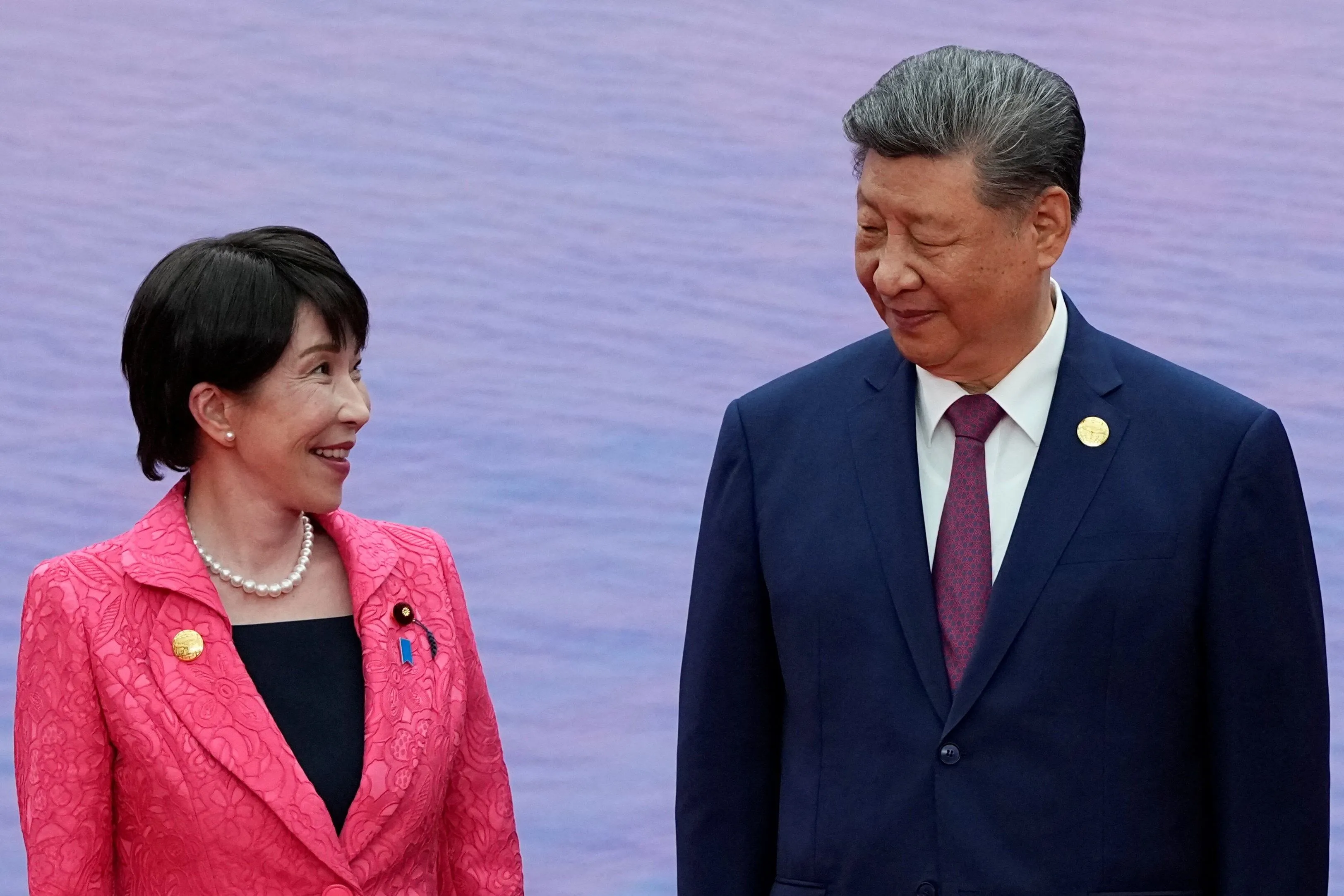
Takaichi and Chinese President Xi Jinping briefly shook hands at the Asia-Pacific Economic Cooperation summit in Shenzhen on November 19, marking their first encounter since the dispute began. However, the meeting did not develop into formal bilateral talks, and the Japanese leader received a less elaborate welcome than some other visiting leaders. The encounter demonstrated that both governments remain willing to maintain basic diplomatic contact, but it did not resolve their disagreements. The dispute is likely to remain a challenge for regional security and trade, especially while Taiwan continues to be a major point of tension between China, Japan and the United States.