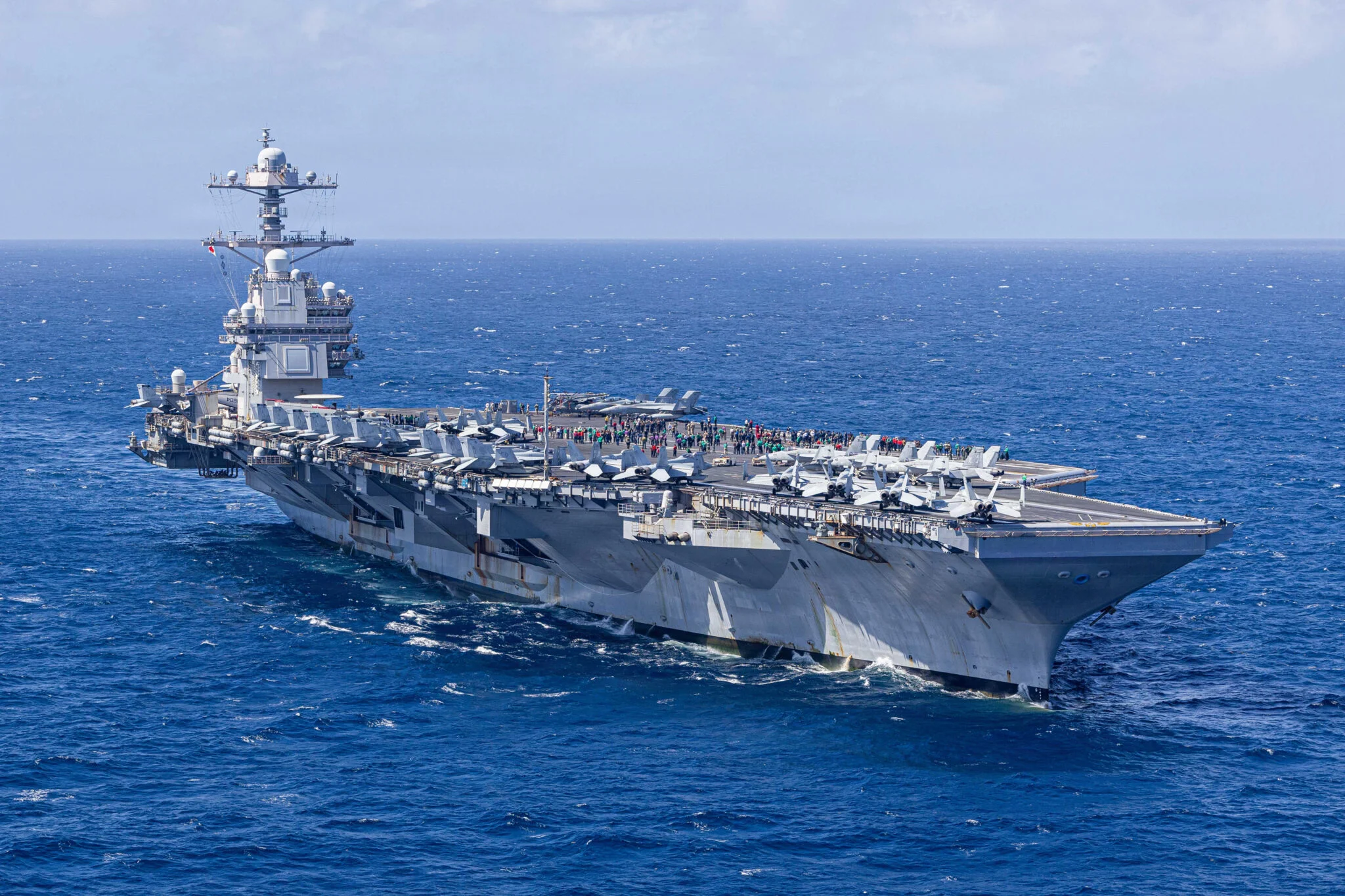


Iran has launched drone and missile attacks on US military positions across the Middle East, escalating an already volatile regional conflict. The strikes come after joint US and Israeli operations targeted senior Iranian leadership, including Supreme Leader Ali Khamenei, along with dozens of high-ranking officials. Civilian sites, including schools and hospitals, have also suffered damage amid widespread bombardment.
According to Daljoog News analysis, the confrontation has entered a dangerous new phase. What began as targeted military action now risks expanding into a prolonged regional war, with both sides signaling that further escalation remains on the table.
The timing is critical. Energy markets are on edge, US forces are dispersed across Gulf bases, and diplomatic channels appear frozen. With threats of more strikes and possible ground deployments, the Middle East faces one of its most unstable moments in years.
What Happened?
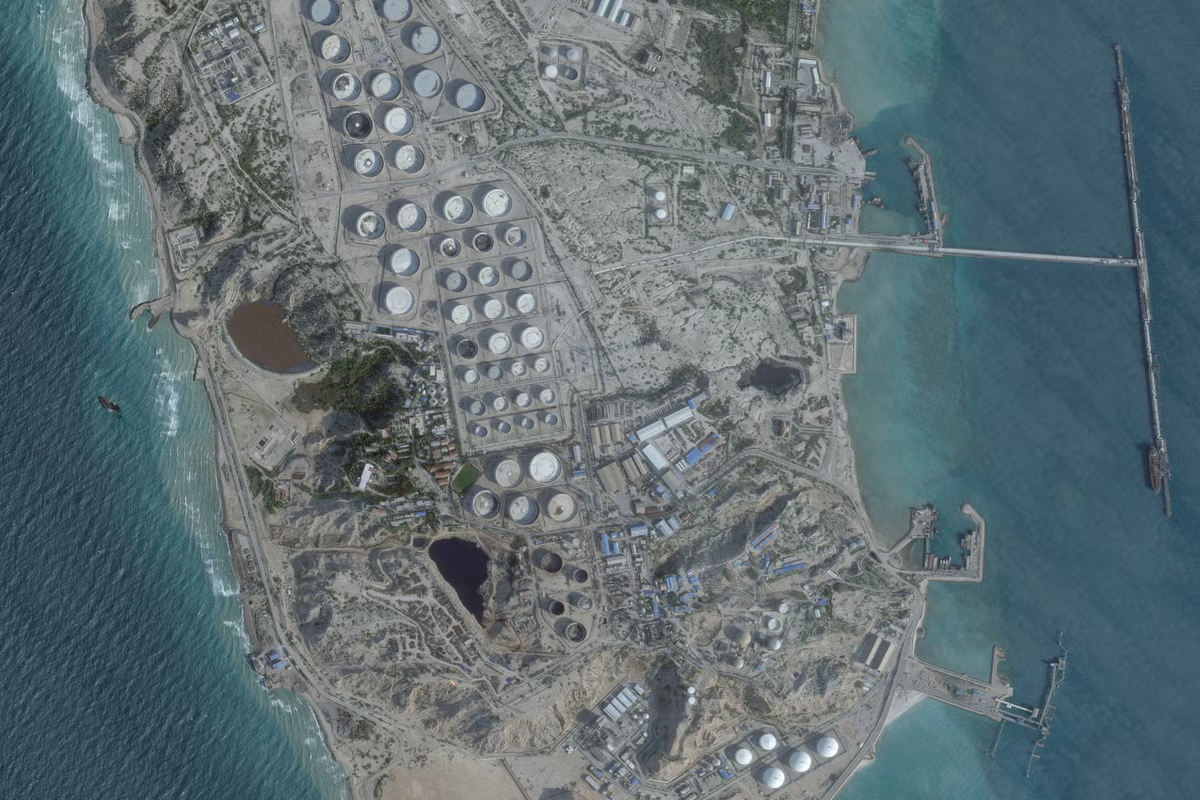
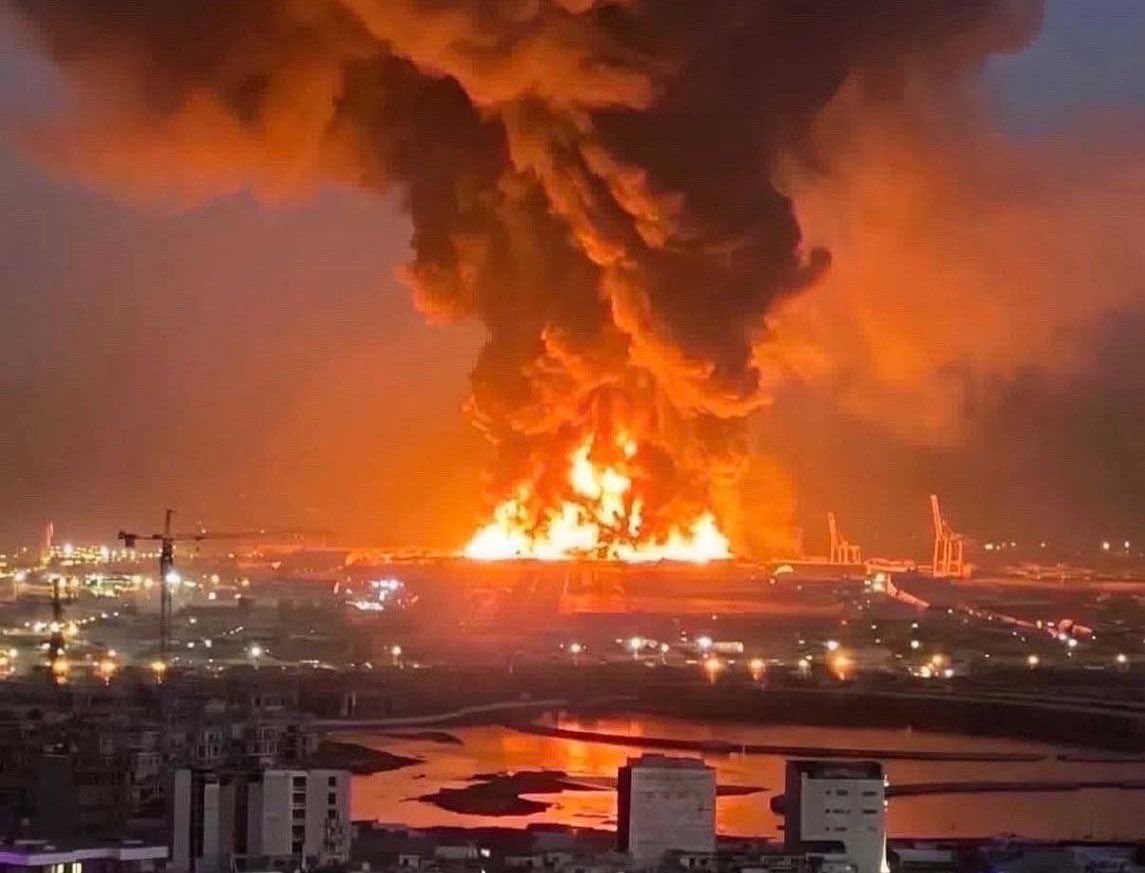
Iranian forces have intensified drone and long-range missile attacks against US military installations in neighboring Gulf countries. Officials in Kuwait reported casualties among senior naval officers following one such strike. In the United Arab Emirates, an Iranian drone reportedly struck a fuel storage terminal in Abu Dhabi.
Iran maintains that its military operations target only American interests. Foreign Minister Abbas Araghchi stated that Tehran is not waging war against neighboring states but is responding directly to US actions.
The crisis escalated after coordinated US and Israeli airstrikes hit multiple Iranian targets, including high-ranking officials and military sites. Explosions were reported across Tehran as Israeli bombardment continued. Iranian authorities said 29 hostile drones had been intercepted and destroyed since fighting began.
President Masoud Pezeshkian condemned attacks on civilian infrastructure and warned that Iran would not remain silent under what he described as Western aggression.
Meanwhile, US President Donald Trump signaled that further action is imminent. He warned that a larger strike could occur soon and said a ground operation remains a possibility if current measures fail to achieve objectives.
The Islamic Revolutionary Guard Corps announced it could close the strategic Strait of Hormuz, a passageway that handles roughly 20 percent of global oil shipments. The group threatened to attack vessels linked to the United States and claimed responsibility for a drone strike on a US-associated oil tanker.
US Central Command responded by stating that Iranian naval assets in the Gulf of Oman had been neutralized. Tehran has not confirmed that claim.
Why This Matters
The Strait of Hormuz is one of the world’s most critical energy chokepoints. Any sustained disruption would affect global oil prices within days. Traders are already pricing in supply risk.
Beyond energy markets, the broader regional security architecture faces strain. US bases in Kuwait, Bahrain, Qatar, and the UAE now operate under heightened alert. Civilian aviation and maritime traffic have begun rerouting in anticipation of further strikes.
There is also the risk of miscalculation. Drone warfare allows both sides to strike quickly without immediate troop deployments. But each exchange increases pressure for a more visible and decisive response.
NATO Secretary-General Mark Rutte clarified that the alliance will not formally join the conflict. However, individual member states retain the right to act independently, leaving open the possibility of broader involvement.
What Analysts or Officials Are Saying
Security analysts describe the current situation as a calibrated escalation rather than a full-scale war. They note that both Washington and Tehran appear to be testing limits without crossing into open invasion.
US officials argue that the strikes on Iranian leadership aimed to disrupt command structures and deter further aggression. Iranian authorities counter that such actions only strengthen domestic resolve and justify retaliation.
Regional governments are walking a tightrope. Gulf states rely heavily on US security guarantees but fear becoming direct targets if fighting expands. Several diplomatic sources indicate quiet backchannel efforts to prevent the closure of Hormuz.
Energy experts warn that even temporary disruption could trigger price spikes and shipping delays. Insurance costs for vessels operating in the Gulf have already climbed.
Daljoog News Analysis
This confrontation is no longer symbolic. It has moved into a phase where economic consequences could outpace military objectives.
Washington appears determined to reassert deterrence after sustained drone pressure. Tehran, meanwhile, seeks to demonstrate that it can impose costs without inviting full invasion.
The strategic messaging is clear on both sides. Yet history shows that limited strikes can spiral when domestic politics demand visible strength.
The threat to close the Strait of Hormuz stands out as the most consequential lever Iran holds. Even the hint of closure reshapes global energy calculations.
At the same time, US claims of neutralizing Iranian naval assets, if accurate, signal a willingness to degrade Tehran’s regional capabilities rapidly.
Daljoog News believes the coming weeks will determine whether this conflict stabilizes through deterrence or expands through retaliation. The four-to-five-week timeline mentioned by President Trump suggests Washington expects sustained engagement rather than a swift resolution.
What Happens Next
Military planners on both sides are preparing for further strikes. Drone attacks are likely to continue, especially against fixed infrastructure and naval routes.
US commanders may reposition assets to reinforce Gulf bases. Any confirmed closure of Hormuz would prompt immediate multinational naval coordination.
Diplomatic channels, though quiet, remain essential. Regional actors, including Oman and Qatar, could attempt mediation to prevent shipping disruptions.
Energy markets will serve as an early indicator of escalation. Sustained price volatility would signal that traders believe risks are becoming structural rather than temporary.
For now, the Middle East stands at a crossroads. Each strike narrows space for de-escalation. Whether this confrontation remains limited or becomes a wider regional war will depend on decisions made in Washington and Tehran over the coming days.