


Iran’s Islamic Revolutionary Guard Corps has declared the Strait of Hormuz closed, dramatically escalating the regional conflict with Israel and the United States. The announcement followed fresh Israeli strikes on Iranian territory and a new wave of Iranian ballistic missile launches targeting Israel.
Explosions shook parts of northern Iran as Israeli forces intensified air operations. Iranian state television was reportedly hit during the bombardment. Tehran responded by firing multiple ballistic missiles toward northern Israel, some of which landed beyond their intended targets, causing structural damage.
According to Daljoog News analysis, the shift in operational control to the Islamic Revolutionary Guard Corps signals a harder and less predictable phase of the war. With the IRGC directing retaliation and threatening global shipping routes, the conflict now carries direct consequences for international trade and energy markets.
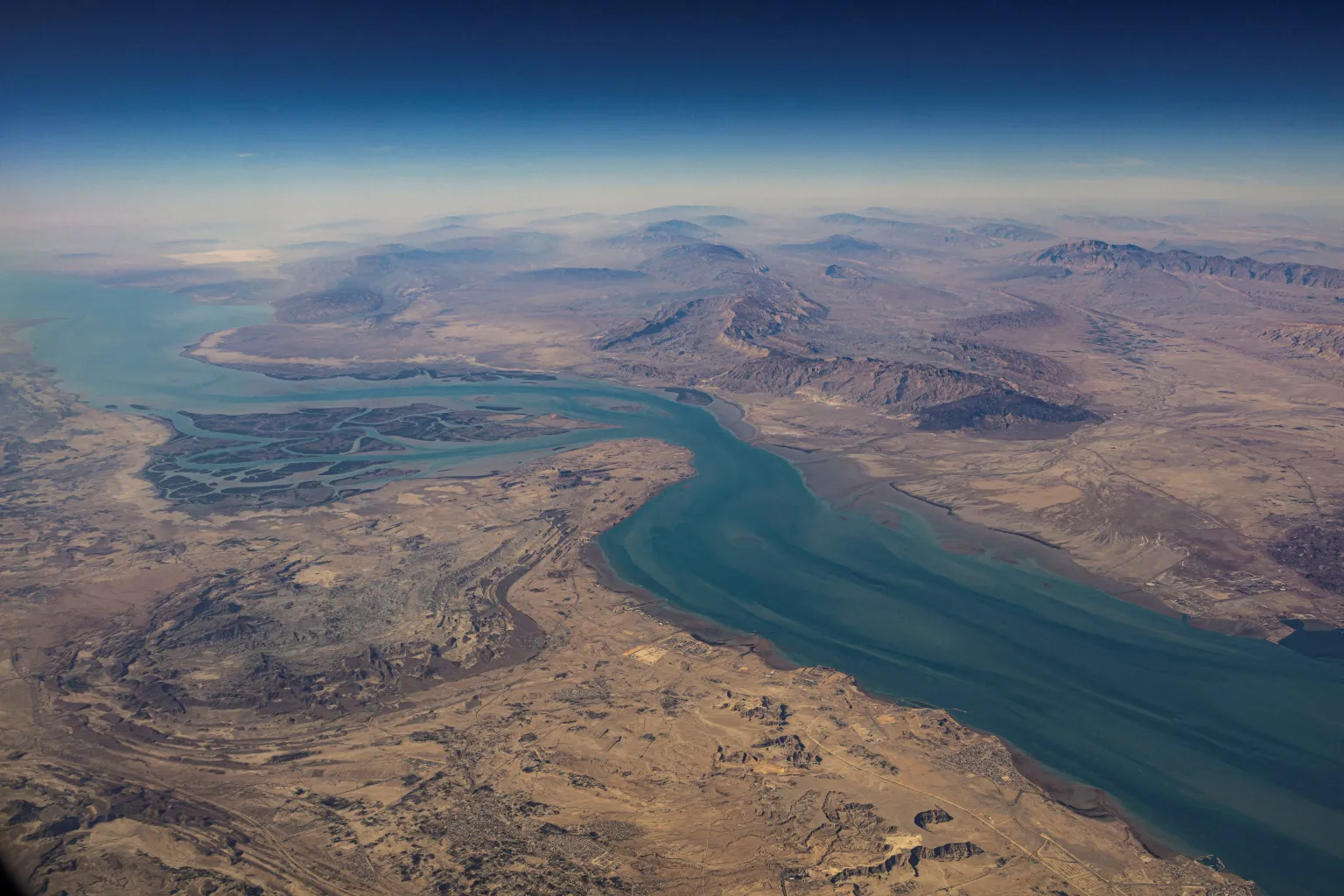
The closure of Hormuz, even if temporary, places one of the world’s most critical maritime corridors at risk. Nearly a fifth of global oil shipments pass through the narrow waterway linking the Persian Gulf to the open sea.
What Happened?
Heavy Israeli airstrikes struck multiple Iranian cities, including sensitive infrastructure. Thick smoke rose over affected districts as emergency services responded.
Iran launched several rounds of ballistic missiles in retaliation. Israeli defense systems intercepted many of the incoming projectiles, according to the Israel Defense Forces, though impacts were reported in both northern and central regions.
Iranian Foreign Minister Abbas Araghchi stated that the government is no longer directly managing battlefield decisions. He confirmed that the IRGC, Iran’s elite military force, now leads operational control.
Araghchi questioned the use of Gulf airspace by US forces and argued that regional states should demand answers from Washington over the conflict’s expansion.
The IRGC then announced that the Strait of Hormuz would be closed to maritime traffic. It also claimed responsibility for drone and missile operations targeting US-linked facilities in Saudi Arabia, Kuwait, and Qatar.
Meanwhile, US President Donald Trump warned that stronger action is imminent. He said additional strikes are under consideration and left open the option of ground operations, though no immediate deployment is planned.
The US State Department has advised American citizens to leave several Middle Eastern countries as a precaution.
Why This Matters
The Strait of Hormuz is not just symbolic leverage. It is a global economic pressure point.
Energy exporters such as Saudi Arabia, the UAE, Kuwait, and Iraq rely on the passage to move crude oil to international markets. Any sustained disruption would send oil prices sharply higher and strain supply chains worldwide.
By transferring control to the IRGC, Tehran has signaled that strategic deterrence now takes priority over diplomatic calculation. The Guard Corps operates with a doctrine centered on asymmetric warfare, including missile strikes and maritime disruption.
The risk of miscalculation grows when elite military units control escalation rather than civilian authorities.
For Gulf states, the situation is precarious. Many host US military assets while maintaining economic ties with Iran. A widening conflict could force difficult political choices.
What Analysts or Officials Are Saying
Military analysts describe the IRGC’s declaration as a calculated attempt to shift the balance of pressure. By threatening Hormuz, Iran increases global stakes without immediately committing to full closure.
US defense officials maintain that ballistic missile launch sites and production facilities remain primary targets. The White House has indicated that degrading Iran’s missile capability is a near-term objective.
Regional observers believe the United States will avoid immediate ground engagement unless American forces suffer large-scale casualties. Air and missile operations are expected to dominate the short-term response.
Energy analysts warn that insurance premiums for Gulf shipping could spike even without confirmed blockades. Markets react quickly to perceived risk, not only physical interruption.
Daljoog News Analysis
The transfer of battlefield authority to the IRGC marks a turning point.
Civilian-led diplomacy appears sidelined, replaced by a command structure built for confrontation. That shift reduces flexibility and narrows the window for de-escalation.
Closing the Strait of Hormuz is Iran’s most powerful economic weapon. Yet using it carries heavy cost. Gulf neighbors would see their own exports disrupted, and global powers would face pressure to reopen the corridor.
President Trump’s messaging suggests Washington intends to restore deterrence decisively. By focusing on missile production sites, the US aims to weaken Iran’s capacity for sustained retaliation without launching immediate ground operations.
The strategic contest now centers on endurance. Iran seeks to demonstrate resilience and regional reach. The United States aims to limit escalation while maintaining military dominance.
Daljoog News assesses that both sides are testing thresholds. Neither appears ready for total war, yet both are willing to absorb short-term risk to secure long-term positioning.
What Happens Next
Naval forces from multiple countries are likely to increase patrols near Hormuz to ensure safe passage.
Further missile exchanges between Israel and Iran remain probable, especially as each side seeks to project strength.
Diplomatic backchannels may intensify quietly, particularly from Gulf mediators concerned about energy stability.
The coming days will determine whether the Strait of Hormuz closure becomes an enforceable blockade or remains a strategic warning.
For now, control of escalation rests with the IRGC, and the margin for error across the region has grown dangerously thin.