

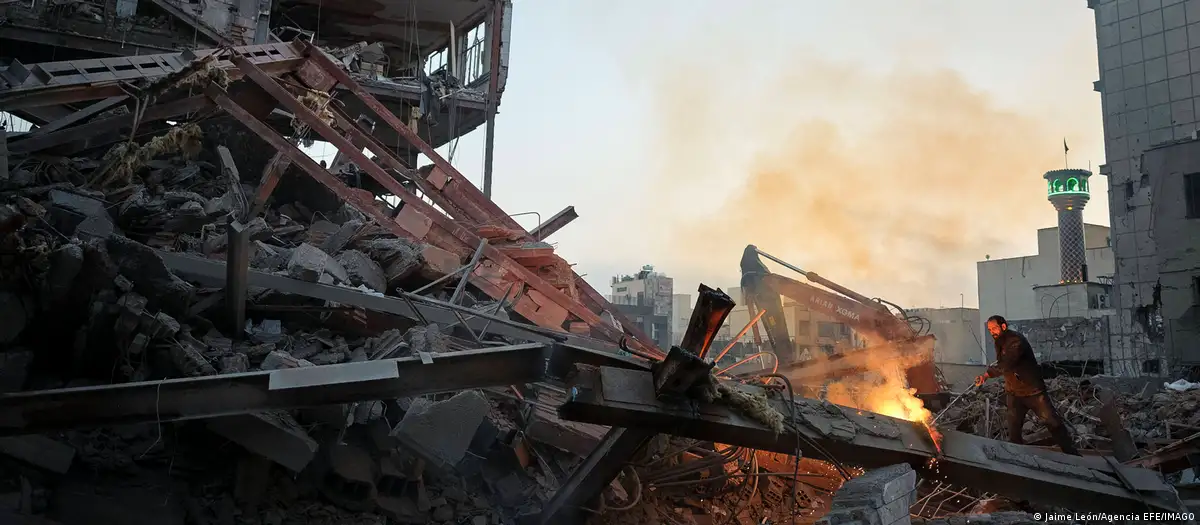
The death toll in Iran is rising sharply as US and Israeli airstrikes continue to hit both military and civilian targets. Scenes of destruction and long lines of casualties have intensified international concern over the safety of ordinary citizens.
According to Daljoog News analysis, preliminary reports from human rights organizations indicate that the civilian impact is severe, with hospitals, residential areas, and infrastructure heavily affected. The conflict’s escalation is pushing Iran into what some observers are calling a “city of death,” as emergency services struggle to respond.
This growing humanitarian crisis underscores the risks of urban warfare and the urgent need for international monitoring and relief.
What Happened?
From February 28 to March 3, large-scale aerial attacks were carried out across Iran. According to the US-based Iranian human rights group Human Rights Activists News Agency (HRANA), hundreds of bombs were dropped by both US and Israeli forces, targeting military installations, hospitals, and residential neighborhoods.
The attacks have resulted in at least 1,097 civilian deaths, including 181 children under the age of 10, HRANA reports. At least 5,402 people were injured during the same four-day period, with more than 100 of the wounded children. These figures are still being verified, but the pattern of devastation is clear.
Why This Matters
The targeting of civilian areas has raised alarm across the international community. Beyond the immediate human toll, the strikes threaten to destabilize essential services, including healthcare, water, and electricity. Experts warn that continued attacks on densely populated areas could exacerbate a humanitarian disaster, potentially displacing tens of thousands more people.
This escalation also has geopolitical implications, as nations and international organizations weigh responses to protect civilians while navigating the conflict’s complex military and political dimensions.
What Analysts or Officials Are Saying
HRANA emphasizes that the casualty figures are preliminary and still under verification. Nonetheless, the human cost is already severe, particularly for children and vulnerable populations.
International observers highlight the urgent need for protective measures for civilians and immediate humanitarian assistance. Human rights experts warn that without intervention, the crisis could deepen, with long-term consequences for social stability in the region.
Daljoog News Analysis
Daljoog News notes that the human toll from the strikes is a stark reminder of the consequences of urban conflict. Even as military objectives are pursued, civilian populations bear the heaviest burden. The scale of deaths and injuries in just four days signals a potentially worsening humanitarian situation if the airstrikes continue unchecked.
The current crisis also raises questions about international accountability and the need for independent monitoring to ensure civilian protection. Without coordinated global attention, the human cost could escalate further, compounding the tragedy already unfolding across Iranian cities.
What Happens Next
As airstrikes continue, casualties are likely to rise, and urgent international humanitarian aid will be critical. Monitoring groups and relief agencies will focus on supporting hospitals, emergency services, and displaced populations.
The broader implications include growing international pressure on the US and Israel to limit civilian harm, as well as calls for diplomatic efforts to halt further escalation. Daljoog News will continue tracking casualty reports, relief efforts, and international reactions as the situation develops.