


US Iran truce tensions are rising as the temporary ceasefire between Washington and Tehran nears its April 26 deadline, with no clear path to extend calm. Diplomatic efforts have slowed, and both sides are holding firm positions.
According to Daljoog News analysis, US-Iran truce tensions now reflect a deeper power struggle where neither side wants to appear weak. The lack of progress in talks signals a shift from diplomacy to pressure tactics.
The moment is critical for the Middle East. As the truce window closes, military activity is increasing, and the risk of renewed confrontation is growing quickly.
What Happened?
The United States and Iran agreed to a short-term ceasefire to pause escalating hostilities. That agreement is now set to expire on April 26, with no confirmed extension in place.
Plans for a second round of talks, expected to involve Pakistan, have stalled. While Washington remains open to discussions, Tehran has refused to participate under current conditions. Iranian officials insist that no negotiations will take place while US naval forces remain active in the Strait of Hormuz.
This demand has created a deadlock. The maritime pressure from the United States is seen by Iran as a direct threat, making diplomacy difficult.
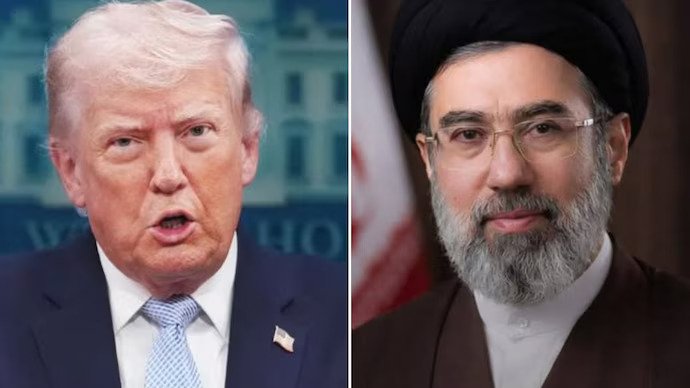
US President Donald Trump addressed the issue during a White House briefing. He dismissed the idea of using nuclear weapons in the conflict and stated that conventional operations have already weakened Iran significantly.
However, his tone shifted later on social media, where he warned that Iran is running out of time. He claimed Iran’s military strength has been reduced and suggested the situation could worsen if tensions continue.
At the same time, the United States has expanded its military presence. The aircraft carrier USS George H.W. Bush has been deployed, raising the number of US carrier groups in the region to three. US Central Command confirmed that forces are active across key areas, including the Red Sea.
Why This Matters
US Iran truce tensions matter because the region sits at the center of global energy routes. The Strait of Hormuz handles a major share of the world’s oil supply, and any disruption could quickly affect global markets.
The failure to restart talks increases the risk of sudden escalation. Without active communication, even a small incident could lead to a larger conflict.
There is also a wider geopolitical impact. Regional powers are watching closely, and any escalation could reshape alliances and security strategies across the Middle East.
Economic risks are also rising. Oil prices could spike if conflict resumes, adding pressure to global inflation and trade systems.
What Analysts or Officials Are Saying
Security experts believe both sides are using pressure rather than preparing for immediate war. The United States is showing military strength to maintain deterrence, while avoiding steps that could trigger nuclear escalation.
Iranian officials are focusing on sovereignty and leverage. By refusing talks under naval pressure, Tehran is trying to force changes in the negotiation environment.
Analysts also warn that increased military presence raises risks. More ships and forces in tight waterways increase the chance of miscalculation or accidental clashes.
Diplomatic observers note that mediators are struggling to bring both sides together. Without compromise, talks may remain frozen even after the ceasefire ends.
Daljoog News Analysis
US Iran truce tensions reveal a fragile balance shaped by القوة rather than trust. Both sides are testing limits while avoiding a full breakdown, but this approach carries long-term risks.
Washington appears confident in its military advantage, which may reduce urgency for negotiation. Tehran, in contrast, is using geography and timing to gain leverage.
This creates a tense standstill. Neither side is stepping back, yet neither is fully escalating. That middle ground is unstable and could shift quickly.
The biggest concern is the weak state of diplomacy. Without strong communication channels, the risk of or sudden escalation increases.
What Happens Next
As the deadline approaches, attention will focus on whether last-minute diplomacy can prevent escalation. A short extension of the ceasefire remains possible, but there are no clear signals yet.
If the truce ends without progress, military actions could resume quickly. The scale of conflict will depend on decisions made in both Washington and Tehran.
Observers will watch for changes in troop and naval movements. Any increase in deployments could signal preparation for escalation or pressure tactics.
Mediators may step up efforts, but success will depend on flexibility from both sides. Without compromise, tensions are likely to rise further.
The coming days will be decisive. US Iran truce tensions could either ease through negotiation or shift toward renewed conflict, with serious consequences for the region and beyond.