
Close Menu
Daljoog News
    What's Hot
    Iran Fast Boats Raise Security Risks in Hormuz Strait

    Iran Fast Boats Raise Security Risks in Hormuz Strait

    April 25, 2026
    2PM Ok Taecyeon Marries After 10 Years of Love

    2PM Ok Taecyeon Marries After 10 Years of Love

    April 25, 2026
    Russia Gold Reserves Drop After Massive 22 Ton Sale.jpg The server cannot process the image. This can happen if the server is busy or does not have enough resources to complete the task. Uploading a smaller image may help. Suggested maximum size is 2560 pixels.

    Russia Gold Reserves Drop After Massive 22 Ton Sale

    April 25, 2026
    Facebook X (Twitter) Instagram
    Sunday, April 26
    Daljoog News
    Facebook X (Twitter) YouTube Instagram
    • Home
    • General
    • World
    • Business
    • Technology
    • Politics
    • Finance
    • Health
    • Lifestyle
    • Sports
    • Travel
    Daljoog News
    Home»World»Floating Lifeline or Global Risk? The Strait of Hormuz at Stake
    World

    Floating Lifeline or Global Risk? The Strait of Hormuz at Stake

    Andrew RogersBy Andrew RogersMarch 7, 2026No Comments4 Mins Read
    Facebook Twitter Pinterest LinkedIn Tumblr Email
    Follow Us
    Google News
    Floating Lifeline or Global Risk The Strait of Hormuz at Stake
    Floating Lifeline or Global Risk The Strait of Hormuz at Stake
    Share
    Facebook Twitter LinkedIn Pinterest Email

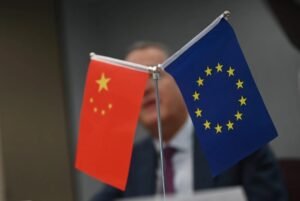
    The Strait of Hormuz, one of the world’s most critical maritime chokepoints, has slowed to a near standstill amid escalating Middle East tensions. Chinese officials have opened talks with Iran to guarantee safe passage for oil and LNG tankers through the strait, ensuring vital energy flows.

    According to Daljoog News analysis, this diplomatic move underscores how reliant China is on Middle Eastern energy. Nearly 45 percent of the country’s crude oil imports transit this narrow waterway, making its security crucial to both China and global markets.

    The disruption comes in the wake of ongoing hostilities between Iran, the United States, and Israel. Analysts warn that if the strait remains constrained, global energy prices and supply chains could experience far-reaching instability.

    What Happened?

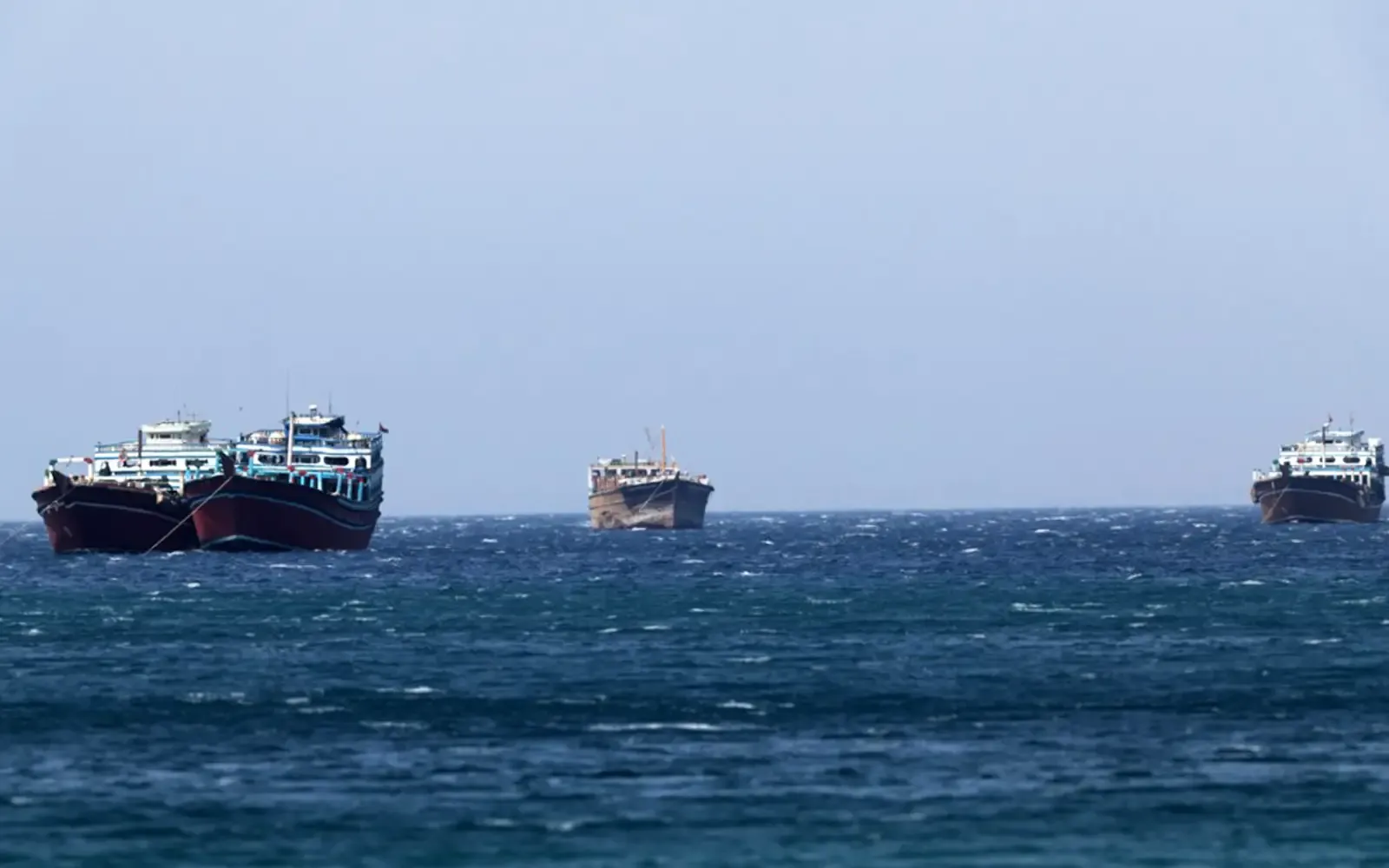
    The Strait of Hormuz connects the Persian Gulf to the Gulf of Oman and channels roughly 20 percent of the world’s oil and liquefied natural gas shipments. Recent tracking data show tanker traffic has plunged dramatically due to the regional conflict.

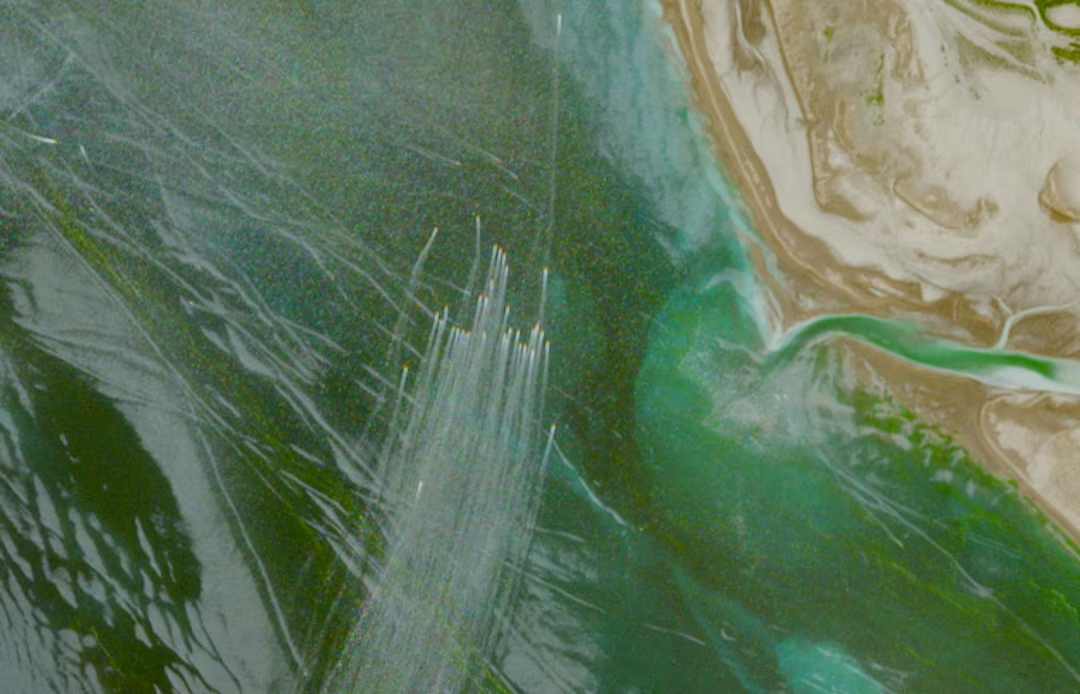
    Before tensions escalated, about 24 oil tankers crossed the strait daily. Now, only a handful of vessels are moving, while approximately 300 tankers wait within the waterway for safe passage.

    China has reportedly entered talks with Iran to ensure that its oil and LNG tankers, including shipments from Qatar, can transit the strait without obstruction. These negotiations aim to mitigate the risk of supply shortages that could ripple through global energy markets.

    Meanwhile, crude oil prices have already reacted. International benchmarks have surged more than 15 percent as tanker movement slows and uncertainty grows.

    Why This Matters

    The Strait of Hormuz is more than just a shipping lane—it is the lifeline of global energy supply. Any disruption immediately affects oil prices, energy security, and international trade.

    For China, which relies heavily on Gulf oil, prolonged delays could force emergency diversions, accelerate alternative supply planning, or even drive strategic stockpiling.

    Analysts warn that localized conflicts in the strait can trigger cascading effects worldwide, including inflation, transportation delays, and supply chain bottlenecks. The episode underscores the vulnerability of global energy infrastructure to geopolitical tensions.

    What Analysts or Officials Are Saying

    Energy experts note that the current bottleneck is unusual and alarming. Tanker congestion in the Strait of Hormuz not only delays shipments but also increases the risk of maritime accidents.

    Some analysts suggest that if instability continues, insurance premiums for vessels navigating the strait could rise significantly, further driving up energy costs.

    Chinese authorities are reportedly pursuing a dual approach: maintaining dialogue with Iran while coordinating with shipping operators to secure safer routes for tankers.

    International observers stress that collaboration between Tehran and Beijing could stabilize the corridor—but uncertainty remains high given ongoing US-Israel-Iran tensions.

    Daljoog News Analysis

    The Strait of Hormuz has evolved into a high-stakes strategic and economic flashpoint. Unlike conventional conflicts, the current tension demonstrates how critical energy supply routes have become primary battlegrounds.

    China’s engagement with Iran reflects the country’s need to protect its energy imports while minimizing economic fallout. The situation also highlights the growing influence of regional players like Iran, capable of threatening global energy flows through precision strikes or geopolitical leverage.

    The current gridlock serves as a stark reminder that modern warfare and geopolitics can disrupt markets instantly. Energy prices, refining operations, and global trade are all vulnerable when vital maritime chokepoints like Hormuz are compromised.

    If the standoff persists, nations dependent on Gulf oil may face sustained price volatility, delayed shipments, and increased strategic uncertainty.

    What Happens Next

    Analysts predict China will continue negotiations to secure uninterrupted tanker movement. Tehran’s cooperation—or lack thereof—will determine whether shipping congestion eases or worsens.

    Meanwhile, global energy markets will likely remain volatile, and some tankers may continue waiting days for clearance.

    Authorities and shipping operators may deploy contingency plans, including temporary rerouting or increased security patrols. The outcome will have implications far beyond the Gulf, affecting global energy security, prices, and trade.

    Share. Facebook Twitter Pinterest LinkedIn Tumblr Email
    Andrew Rogers
    Andrew Rogers
    • Website
    • Facebook

    Andrew Rogers is a seasoned journalist and news analyst specializing in global affairs, politics, and finance. With a passion for investigative reporting, he delivers accurate, insightful stories that inform and engage readers worldwide.

    Related Posts

    Iran Fast Boats Raise Security Risks in Hormuz Strait

    Iran Fast Boats Raise Security Risks in Hormuz Strait

    April 25, 2026
    Reza Pahlavi Germany Attack Sparks Security Concern

    Reza Pahlavi Germany Attack Sparks Security Concern

    April 25, 2026
    US Iran Truce Tensions Rise as Talks Collapse Fast

    US Iran Truce Tensions Rise as Talks Collapse Fast

    April 25, 2026

    Comments are closed.

    Our Picks
    Iran Fast Boats Raise Security Risks in Hormuz Strait

    Iran Fast Boats Raise Security Risks in Hormuz Strait

    April 25, 2026
    Reza Pahlavi Germany Attack Sparks Security Concern

    Reza Pahlavi Germany Attack Sparks Security Concern

    April 25, 2026
    US Iran Truce Tensions Rise as Talks Collapse Fast

    US Iran Truce Tensions Rise as Talks Collapse Fast

    April 25, 2026
    Iran Internet Blackout Hits 50 Days Crisis

    Iran Internet Blackout Hits 50 Days Crisis

    April 23, 2026
    Stay In Touch
    • Facebook
    • Twitter
    • Instagram
    • YouTube
    Don't Miss
    Olivia Culpo Announces Pregnancy, Expecting First Child With Husband Christian McCaffrey

    Olivia Culpo Announces Pregnancy, Expecting First Child With Husband Christian McCaffrey

    Lifestyle March 11, 2025

    Olivia Culpo and Christian McCaffrey are stepping into a new chapter of their lives—parenthood! The…

    ElBaradei Warns Trump Rhetoric Risks Middle East War

    ElBaradei Warns Trump Rhetoric Risks Middle East War

    April 6, 2026
    HIV Transmission

    HIV Transmission: How It Spreads and How to Prevent It

    June 19, 2025
    Zhejiang Delegation Visits Sabah Schools

    Zhejiang Delegation Visits Sabah Schools

    December 27, 2025
    About Us

    Daljoog News is a trusted news platform that brings you the latest global and local updates with accuracy and fairness. We are committed to clear and unbiased reporting, covering topics like politics, business, technology, science, and culture and more. Using the latest technology and expert journalism, we provide reliable coverage of important stories. Stay informed, inspired, and empowered with Daljoog News—your source for breaking news, the latest updates, and videos that matter.

    Email Us: info@daljoognews.com

    Our Picks
    California Threatens Paramount’s $110B Warner Deal

    California Threatens Paramount’s $110B Warner Deal

    February 28, 2026
    US Judge Dismisses Buffalo Wild Wings Lawsuit

    US Judge Dismisses Buffalo Wild Wings Lawsuit

    February 18, 2026
    Casey Wasserman to Sell Agency Amid Epstein File Fallout

    Casey Wasserman to Sell Agency Amid Epstein File Fallout

    February 15, 2026
    Latest News
    Iran Fast Boats Raise Security Risks in Hormuz Strait

    Iran Fast Boats Raise Security Risks in Hormuz Strait

    April 25, 2026
    2PM Ok Taecyeon Marries After 10 Years of Love

    2PM Ok Taecyeon Marries After 10 Years of Love

    April 25, 2026
    Russia Gold Reserves Drop After Massive 22 Ton Sale.jpg The server cannot process the image. This can happen if the server is busy or does not have enough resources to complete the task. Uploading a smaller image may help. Suggested maximum size is 2560 pixels.

    Russia Gold Reserves Drop After Massive 22 Ton Sale

    April 25, 2026
    Facebook X (Twitter) RSS YouTube Instagram
    • Home
    • About Us
    • Contact Us
    • Our Authors
    • Privacy Policy
    • Terms & Conditions
    • Sitemap
    © 2026 DaljoogNews.com

    Type above and press Enter to search. Press Esc to cancel.