


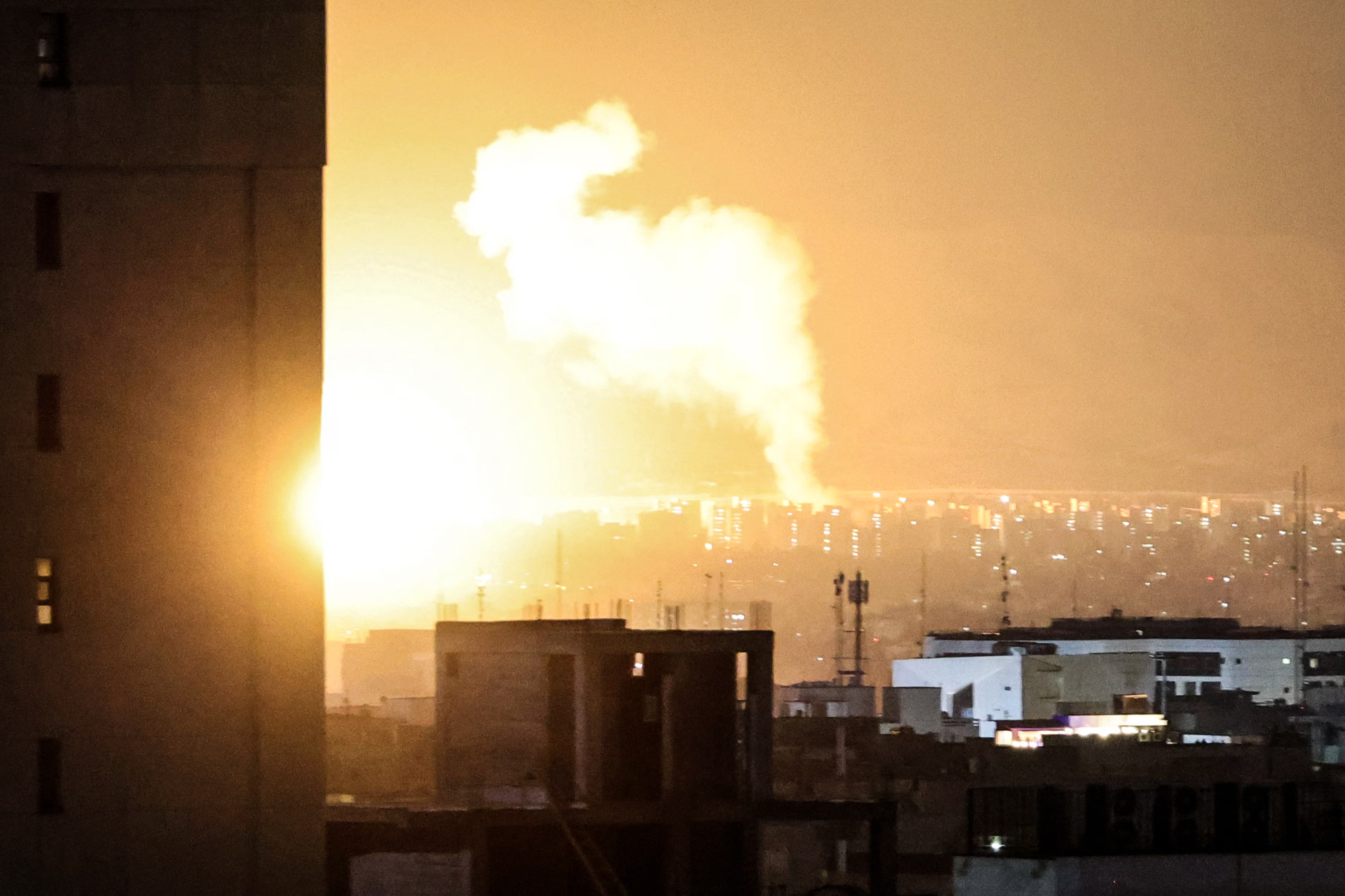
Early Saturday, Iran launched multiple waves of missiles targeting central Israel, including the capital Tel Aviv. Warning sirens blared across cities as Israel’s air defense systems scrambled to intercept the incoming projectiles.
According to Daljoog News analysis, these attacks mark a sharp escalation in the Iran-Israel-US conflict, now spilling over into neighboring Gulf countries and signaling the growing regional reach of Iran’s missile capabilities.
The strikes come amid mounting tensions that have drawn in international powers, including the United States and Russia, with both strategic military support and diplomatic pressure shaping the unfolding crisis.
What Happened?
Iran’s missile barrages early Saturday targeted central Israel, prompting emergency alerts and active defensive measures by the Israeli Defense Forces (IDF). The attacks reportedly hit areas across Tel Aviv, while air defense systems intercepted many of the incoming missiles.
The strikes were not limited to Israel. Gulf nations including Qatar, Bahrain, and Saudi Arabia reported missile and drone activity targeting energy infrastructure and military installations. Saudi authorities claimed successful interception of several drones and missiles aimed at oil facilities and airbases.
Further north, Iraq’s Baghdad military airport faced drone attacks, and Jordan reported missile interceptions in the skies above Aqaba. According to US media reports, including the Washington Post, Iran is reportedly receiving intelligence assistance from Russia, allowing it to conduct more precise attacks.
In response, the United States and Israel have carried out counterstrikes against Iranian targets. Israeli forces reportedly targeted Tehran’s Mehrabad Airport, focusing on government infrastructure. US officials claim that Iranian command, communications, and naval capabilities have been heavily degraded, with the leadership structure now reportedly operating at a tertiary level.
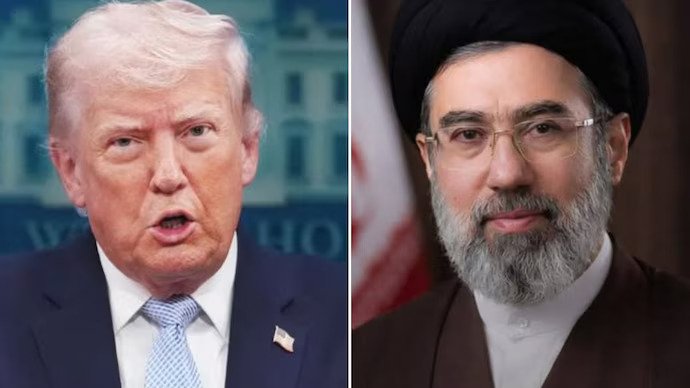
Amid this escalation, US President Donald Trump asserted that Iran’s military assets, including its air force and naval units, have been significantly neutralized. The Pentagon and other agencies have confirmed that ongoing operations aim to maintain pressure on Iran’s strategic infrastructure while minimizing civilian casualties.
Why This Matters
The latest wave of missile attacks underscores the potential for regional escalation beyond Israel and Iran. The involvement of Gulf states such as Saudi Arabia, Qatar, and Bahrain indicates that Iran’s military operations now pose threats to multiple countries in the Middle East.
Strategically, precision missile strikes combined with drone attacks expand Iran’s reach, targeting critical infrastructure and potentially disrupting regional energy supplies. This increases the stakes for global energy markets and heightens the risk of further military escalation.
The conflict also highlights the complex international dimension, with Russia reportedly providing intelligence support while simultaneously calling for rapid de-escalation and diplomatic talks following communications with Iran’s leadership.
What Analysts or Officials Are Saying
US defense officials emphasize that all Iranian activity is being closely monitored, with missile launches and troop movements tracked to inform strategic planning. Officials stress that the US and Israel are coordinating efforts to protect critical infrastructure and civilians.
Regional analysts suggest that Iran’s use of drones alongside missiles signals a shift toward more integrated, multi-layered strikes designed to overwhelm defenses. Meanwhile, the alleged Russian intelligence support adds a layer of geopolitical complexity, potentially affecting how the US and its allies plan further responses.
At the UN Security Council, Iran’s ambassador accused Israel and the United States of targeting densely populated civilian areas and infrastructure, emphasizing the humanitarian toll of the ongoing attacks.
Daljoog News Analysis
The escalation reflects a broader pattern of Iran extending the geographic scope of its missile operations while testing the capabilities of both regional and US-backed defenses. The combination of missile and drone technology increases the difficulty of interception and may force Israel and its allies to rethink air defense strategies.
US-Russia interactions also illustrate the diplomatic balancing act underway, as Moscow appears to support Iran tactically while urging de-escalation in public statements. The situation suggests that Iran seeks both strategic leverage and messaging power: demonstrating its missile precision while signaling restraint with its most advanced systems still reserved.
The continuation of strikes across multiple fronts—from Israel’s cities to Gulf energy installations—indicates that the conflict is likely to remain highly dynamic and unpredictable.
What Happens Next
Military observers expect Iran to continue launching missile and drone attacks in a phased manner, testing defenses while maintaining the ability to escalate strategically.
Israel and the United States are likely to strengthen air defense networks and surveillance to detect and neutralize incoming threats. Gulf states may also enhance missile defense systems and coordinate closely with international allies.
The coming days may reveal whether Iran introduces more advanced missile systems into the battlefield, potentially increasing the scale of destruction and the risk of broader regional escalation.