

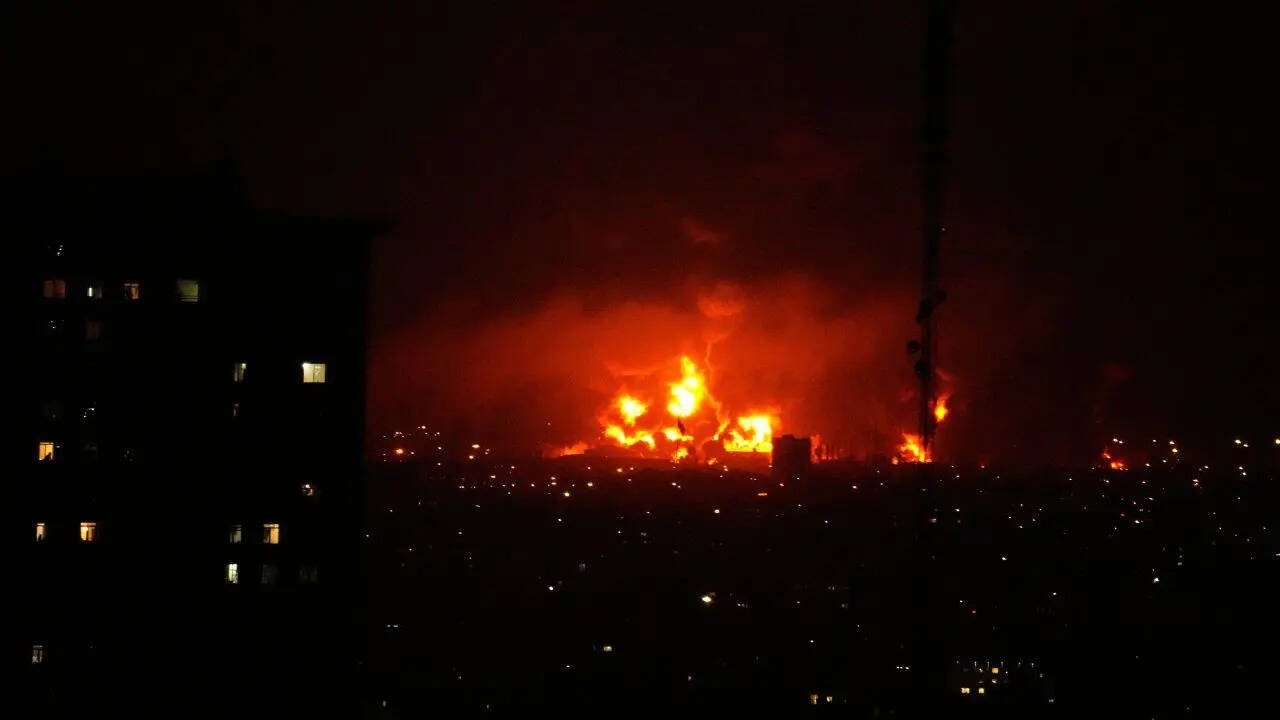
Explosions and fires erupted in parts of Tehran after strikes targeted oil storage facilities and refineries, marking a dramatic escalation in the ongoing confrontation involving Israel, the United States, and Iran. Iranian authorities reported that the attacks damaged energy infrastructure and caused fires visible across several areas of the capital.
According to Daljoog News analysis, the targeting of oil facilities signals a strategic shift in the conflict, expanding the battlefield from military installations to critical economic infrastructure.
The escalation comes as the confrontation enters its second week, with violence spreading across multiple regions including the Gulf, Israel’s northern front, and Iranian territory itself.
What Happened?
Iranian media reported that strikes hit several oil storage facilities and refinery areas in and around Tehran. The attacks triggered large fires, sending smoke into the sky above parts of the capital.
Emergency teams were deployed to contain the damage, while authorities moved quickly to secure nearby industrial zones. Officials said the targeted facilities are part of Iran’s long-standing energy infrastructure, built over decades to support domestic fuel supply and exports.
In a separate incident, Iranian sources accused Israeli forces of striking an ambulance in Tehran during the wave of attacks. The circumstances surrounding the incident remain under investigation.
The conflict has also spilled into other parts of the region. Iran is accused of launching additional attacks against locations in Qatar, Saudi Arabia, and the United Arab Emirates.
Authorities in Dubai confirmed another death linked to falling debris following aerial interceptions. The latest fatality brings the number of reported deaths in the United Arab Emirates connected to the conflict to three.
Meanwhile, Iranian forces reportedly fired missiles toward a United States naval facility located in the Juffair area of Bahrain. The strike highlights the expanding geographic scope of the confrontation.
Why This Matters
The targeting of oil storage facilities and refineries represents a significant shift in strategy. Energy infrastructure forms the backbone of Iran’s economy, and attacks on these sites carry both economic and political consequences.
Disruption to refinery operations could affect fuel supply within Iran and create ripple effects across global energy markets. Even limited damage can trigger price volatility in oil markets that depend heavily on Gulf region stability.
The conflict is also drawing in countries that were previously on the sidelines. Reports of missile launches toward Bahrain and alleged attacks affecting the United Arab Emirates demonstrate how quickly regional tensions can spill across borders.
At the same time, the safety of civilian infrastructure is becoming a growing concern. Incidents involving debris falling into populated areas highlight the broader risks posed by missile interceptions and aerial combat.
What Analysts or Officials Are Saying
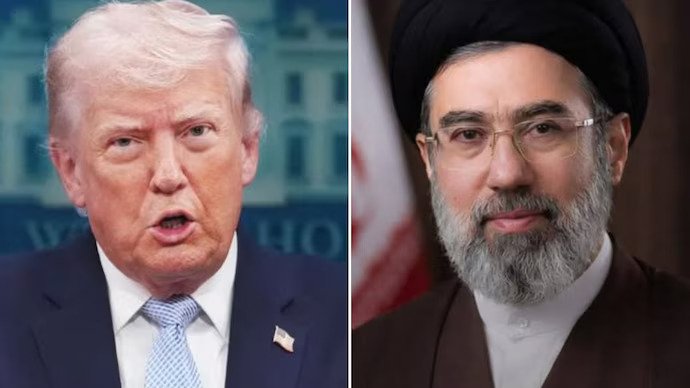
United States President Donald Trump has indicated that Washington intends to intensify pressure on Iran. He warned that military operations could increase if Tehran continues its current course.
However, Trump also suggested that Kurdish groups should not become involved in the confrontation with Iran. Analysts interpret this message as an attempt to prevent the conflict from opening additional fronts.
Iranian officials have responded with their own warnings. Ali Larijani, a senior figure in Iran’s national security structure, said Washington has failed to achieve its objectives of destabilizing the Iranian state or weakening its leadership.
He warned that any further escalation by the United States or Israel would carry significant consequences. Iranian authorities have repeatedly said they will respond firmly to attacks on their territory or infrastructure.
Military observers note that both sides are increasingly relying on strategic signaling to shape the next phase of the conflict.
Daljoog News Analysis
The strikes on Tehran’s energy infrastructure suggest that the conflict is entering a more dangerous stage.
In previous confrontations, both sides often avoided targeting assets that could trigger large-scale economic disruption. Oil facilities have traditionally been treated as highly sensitive sites due to their importance to both national economies and global markets.
By striking these locations, the conflict is moving beyond symbolic retaliation toward attacks that could reshape the region’s economic balance.
Iran’s response will likely determine whether the confrontation continues to escalate. Tehran has already demonstrated its ability to strike targets across the Gulf and beyond, meaning further retaliation could widen the conflict significantly.
The danger now lies in the expanding list of participants. As more countries experience direct or indirect impacts, the risk of miscalculation grows.
Once critical infrastructure and civilian areas become regular targets, controlling escalation becomes far more difficult.
What Happens Next
Security analysts believe the coming days will determine whether the conflict stabilizes or expands further.
Israel and its allies may continue targeting strategic Iranian infrastructure in an effort to weaken Tehran’s operational capacity.
Iran, in turn, could increase missile or drone activity across the Gulf and neighboring regions. Such actions would raise the possibility of broader regional involvement.
Diplomatic channels remain active behind the scenes, but public rhetoric from both sides suggests little immediate appetite for compromise.
For now, the attacks on Tehran’s oil facilities mark a clear turning point in the conflict, underscoring how quickly a regional confrontation can evolve into a far wider security crisis.