

The conflict between Iran, Israel, and the United States has intensified dramatically as airstrikes and retaliatory missile attacks continue across multiple countries in the Middle East. Israeli forces claim they have destroyed key Iranian military facilities, while Tehran has launched waves of missiles targeting major Israeli cities.
According to Daljoog News analysis, the confrontation has evolved into a multi-front conflict involving Lebanon, Gulf states, and US military installations in the region. Both sides are escalating attacks while regional security conditions continue to deteriorate.
Amid the ongoing war, Iran has also announced a new Supreme Leader following the reported killing of Ayatollah Ali Khamenei. The leadership transition is unfolding at the same time as the conflict spreads across several Middle Eastern nations.
Israeli Strikes Target Iranian Military Sites
Israel’s military says it has conducted multiple airstrikes across Iran, including attacks targeting facilities linked to the Islamic Revolutionary Guard Corps (IRGC). Israeli officials claim that the headquarters of the IRGC Air Force was destroyed during the latest wave of strikes.
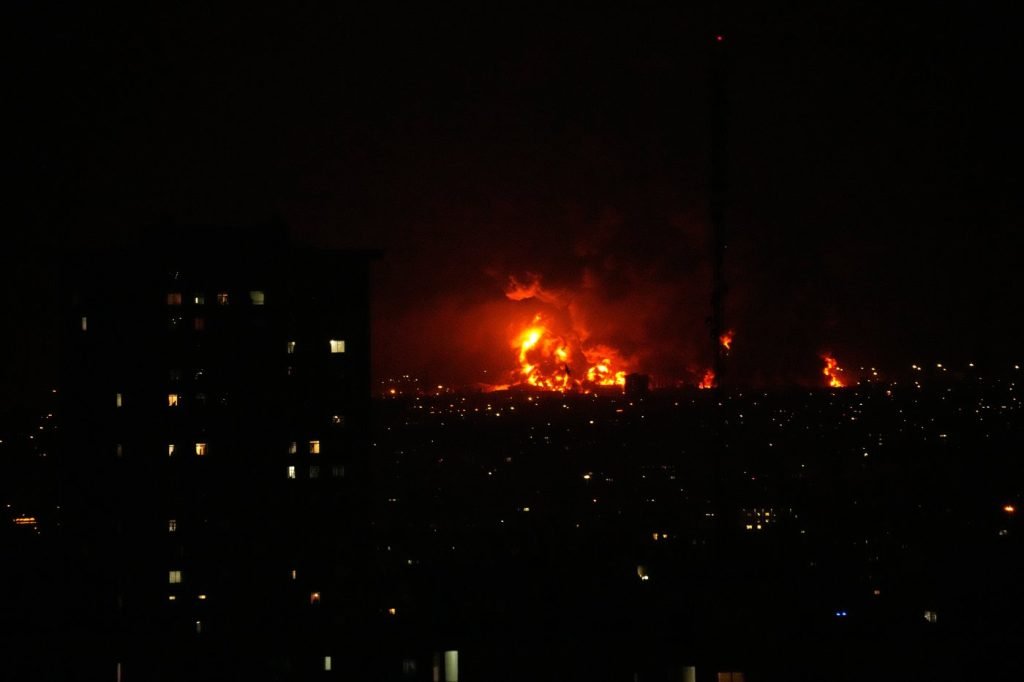
Earlier attacks targeted an oil depot in Tehran, triggering massive fires that filled the capital’s sky with thick black smoke. Reports indicate that several industrial and military areas around the city were affected by the bombardment.
Israeli operations have also extended beyond Iran. In Lebanon, heavy airstrikes were reported in Beirut and the southern city of Marjayoun. The attacks are believed to target positions associated with Hezbollah, the Iran-aligned armed group operating in the country.
Hezbollah Responds to Israeli Attacks
Hezbollah has claimed responsibility for multiple counterattacks against Israeli forces. According to statements from the group, fighters targeted Israeli military units in several locations along the border.
The exchange of attacks between Israel and Hezbollah raises fears that Lebanon could become a major front in the broader regional conflict. Past conflicts between the two sides have already caused severe damage in southern Lebanon and northern Israel.
Security analysts warn that a full-scale Israel-Hezbollah war would significantly widen the ongoing Middle East crisis.
Iran Launches Missile Strikes on Israeli Cities
Iran has responded with large-scale missile attacks against Israel. The Islamic Revolutionary Guard Corps launched missiles toward major cities, including Tel Aviv, Jerusalem, and the port city of Haifa.
On Sunday night, a ballistic missile reportedly struck central Israel directly, damaging several buildings and vehicles. Emergency sirens sounded across multiple regions as residents rushed to shelters.
Iran says the strikes are a direct response to US and Israeli attacks on its territory. Iranian officials have repeatedly stated that any assault on the country will be met with strong retaliation.
Iranian Attacks Expand Across the Gulf
Iranian missiles and drones have also targeted US military installations across the Middle East. Reports indicate that facilities in Bahrain have been struck by Iranian drones, leaving several people injured.
Drone attacks were also reported near Saudi Arabia’s Shaybah oil field, one of the country’s major energy facilities. Regional governments are now on high alert as the conflict threatens energy infrastructure and strategic military bases across the Gulf.
Analysts say the widening battlefield reflects Iran’s strategy of targeting US-aligned military and economic assets throughout the region.
Leadership Change in Iran Amid War
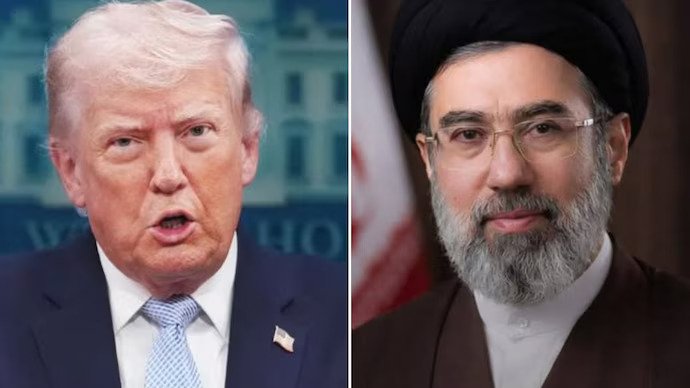
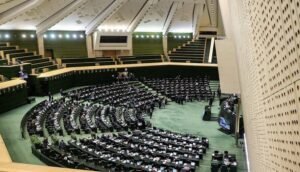
Amid the ongoing conflict, Iran has announced a new Supreme Leader. Mojtaba Khamenei, the second son of the late Ayatollah Ali Khamenei, has been selected as the country’s new top leader following his father’s reported death in Israeli attacks.
Iran’s president, the Revolutionary Guard, and the armed forces have already pledged loyalty to Mojtaba Khamenei. Celebrations were reported in several Iranian cities following the announcement.
However, US President Donald Trump criticized the development, warning that Iran’s new leadership would struggle to maintain power without international recognition.
Daljoog News Analysis
The latest developments highlight the growing complexity of the Middle East conflict. Israeli airstrikes inside Iran, Iranian missile attacks on Israeli cities, and drone strikes targeting US bases show that the confrontation is expanding far beyond a bilateral dispute.
The involvement of Lebanon, Bahrain, and Saudi Arabia suggests that the conflict could evolve into a broader regional war if diplomatic efforts fail. Energy markets, global trade routes, and civilian populations across the region are already feeling the impact.
For now, both sides appear committed to continuing military operations, making the coming weeks critical for the stability of the Middle East.