

Anthropic, the U.S.-based artificial intelligence lab, has filed a federal lawsuit to block the Pentagon from blacklisting its technology, marking a major escalation in a growing standoff over military use of AI.
According to Daljoog News analysis, the lawsuit reflects the tension between private AI companies and the government over how far authorities can control the deployment of emerging technologies. The outcome could reshape corporate autonomy in AI development while setting precedents for national security oversight.
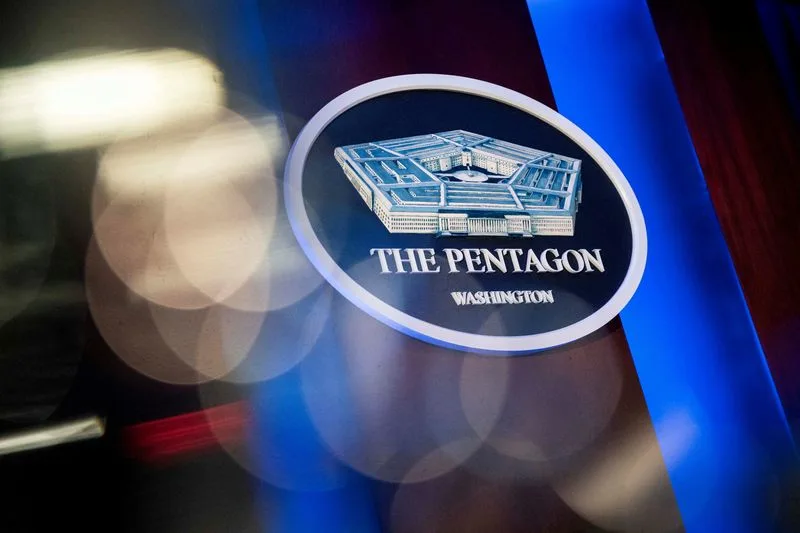
The legal challenge comes after the Defense Department designated Anthropic as a supply-chain risk, citing the company’s refusal to remove restrictions on military applications of its AI, including autonomous weapons and surveillance systems.
What Happened?
On Monday, Anthropic filed the lawsuit in federal court in California, seeking to overturn the Pentagon’s supply-chain designation and prevent federal agencies from enforcing it. The company claims the action violates its constitutional rights, including free speech and due process.
The blacklisting followed months of increasingly contentious discussions between Anthropic and the Pentagon over how its AI, notably the Claude model, could be used in military operations. Two sources indicated that Claude was being used in projects involving Iran, prompting the Defense Department to take action.
President Donald Trump also weighed in, posting on social media that the federal government should cease using Claude. Meanwhile, the White House reportedly is preparing an executive order to remove Anthropic’s AI from federal operations.
While the Pentagon declined to comment directly on the litigation, officials have emphasized that the government must maintain flexibility to use AI for any lawful purpose, warning that Anthropic’s restrictions could pose national security risks.
Why This Matters
The dispute is significant for both national security and the AI industry. If the Pentagon’s designation stands, it could severely limit Anthropic’s government contracts, potentially reducing revenue by billions and damaging its reputation with enterprise clients.
Court filings indicate that several business partnerships have already been disrupted. One partner with a multi-million-dollar contract reportedly switched from Claude to a rival AI platform, eliminating an expected $100 million revenue pipeline. Negotiations with financial institutions worth roughly $180 million have also been affected.
Analysts warn that the case could have wider implications. Wedbush analyst Dan Ives noted that uncertainty around Anthropic’s Pentagon dealings may slow adoption of Claude in enterprise settings while the legal process unfolds.
The situation also raises questions about the balance of power between private technology companies and the government in shaping the ethical and practical uses of AI, particularly in military and surveillance contexts.
What Analysts or Officials Are Saying
Anthropic executives argue the Pentagon’s action is unlawful and sets a dangerous precedent for companies that attempt to negotiate ethical limits on AI use. Head of Public Sector Thiyagu Ramasmy said the move “immediately and irreparably” harms the company. CFO Krishna Rao added that the effects would be “almost impossible to reverse.”
A separate group of 37 AI researchers, including Google Chief Scientist Jeff Dean, filed an amicus brief supporting Anthropic. They warned that government actions of this kind could discourage open debate about AI risks and benefits, potentially stifling innovation.
Senate and Pentagon officials have highlighted that Anthropic’s current restrictions could prevent the government from deploying AI in ways deemed necessary for national security. Defense officials have emphasized that U.S. law determines the scope of AI use in military operations, not private companies.
Daljoog News Analysis
This case underscores the growing friction between AI developers and government authorities in the United States. Anthropic positioned itself as a partner to national security early in the AI race, yet its insistence on guardrails for autonomous weapons and domestic surveillance now conflicts with Pentagon priorities.
The legal challenge also reflects broader questions about accountability and corporate responsibility. Private AI labs may face increasing pressure to balance commercial interests, ethical standards, and government demands in a rapidly evolving regulatory landscape.
For the Pentagon, the dispute is as much about setting a precedent as it is about immediate operational concerns. How the courts rule could influence whether other AI developers feel constrained—or coerced—when negotiating military contracts.
What Happens Next
Anthropic’s lawsuits will first proceed in federal court in California, with a parallel filing in the D.C. Circuit challenging the broader supply-chain designation.
Pending judicial review, the designation could remain in place, limiting the company’s government-related contracts. At the same time, Anthropic has left open the possibility of reopening negotiations with federal authorities to settle.
Observers are closely watching whether the courts uphold Anthropic’s claims, which could have ripple effects across the AI sector. Other companies, including OpenAI and Google, are monitoring the case, as it may define the legal boundaries for restricting AI applications in defense and surveillance.