



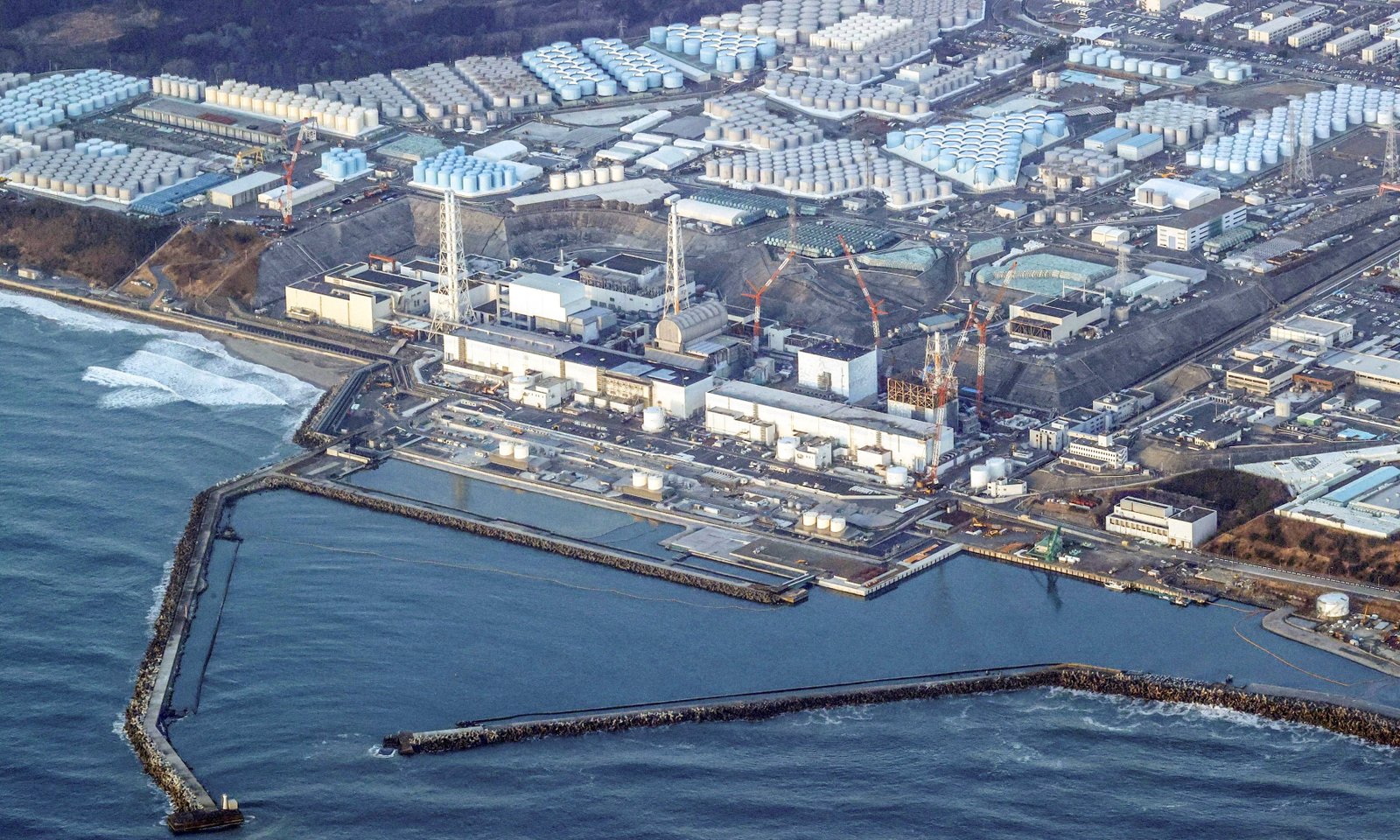
Takuma Hashimoto was just three when the 2011 earthquake and tsunami triggered the Fukushima Daiichi nuclear disaster, leaving his family trapped and terrified.
According to Daljoog News analysis, memories of the crisis are now fading for many in Japan, and the country is cautiously embracing nuclear power again as a key element of energy security.
Eighteen years later, Hashimoto, now an engineering student in Iwaki, wants to be part of the next generation of nuclear engineers, reflecting a broader shift in public attitudes toward the once-rejected energy source.
What Happened?
Japan’s nuclear sector, once supplying roughly 30% of the nation’s electricity from 54 reactors, collapsed in the wake of Fukushima. Reactors were shut down for safety checks, upgrades, or permanent closure. Public opposition surged, and in 2012 the government even announced plans to phase out nuclear power, a decision reversed in 2014.
Today, under pro-nuclear Prime Minister Sanae Takaichi, Japan is accelerating reactor restarts and developing advanced nuclear technologies to reduce dependence on imported fossil fuels. The restart of a reactor at Kashiwazaki-Kariwa in January marked a key milestone, though only 15 of 33 operable reactors are currently online.
Rising global energy tensions, including instability in the Middle East, and growing domestic demand from AI data centers are pushing Japanese public opinion back toward nuclear energy. Recent surveys show 51% of the population now supports reactor restarts, up from 28% in 2013. Support is especially high among young adults aged 18 to 29, with 66% in favor.
Why This Matters
Japan imports nearly all its oil and gas, making energy security a strategic concern. Nuclear power offers a stable, low-emission alternative to fossil fuels, helping buffer the economy against price shocks and supply disruptions.
The gradual restart of reactors and investment in safer technology signal a shift from purely emotional responses to calculated trade-offs. As young engineers like Hashimoto enter the workforce, Japan aims to strengthen both human capital and technical oversight in nuclear operations.
However, the sector faces challenges. Nuclear-related education has shrunk since Fukushima. In 2024, only 177 students were admitted to nuclear courses nationwide, compared with 317 before the disaster and a peak of 673 in the early 1990s. Securing talent may determine the pace of Japan’s nuclear resurgence.
What Analysts or Officials Are Saying
Seiji Inada, a former government crisis official during Fukushima, emphasized the importance of governance and safety protocols. “Time heals trauma,” he said, noting that attitudes have shifted from fear to a pragmatic assessment of energy trade-offs.
Industry veterans, including Toshiba’s Keiji Matsunaga, are applying lessons from Fukushima to develop safer reactors. Reinforced buildings, improved natural circulation cooling systems, and fail-safe technologies are among the measures designed to prevent meltdowns.
Mitsubishi Heavy Industries expects record earnings of 400 billion yen ($2.5 billion) for its nuclear division next year, reflecting renewed confidence in Japan’s nuclear market. Experts argue that these investments strengthen both energy security and economic stability.
Daljoog News Analysis
Japan’s return to nuclear energy reflects a balancing act between public safety concerns and strategic necessity. The country is moving cautiously, focusing on safer technology, training new talent, and restarting reactors gradually.
Fukushima left deep scars, but Japan’s policymakers and industry leaders are leveraging lessons learned to avoid repeating past mistakes. By combining safety improvements with growing public support, nuclear power is poised to play a central role in Japan’s energy mix for decades.
The story also highlights a generational shift: young engineers see nuclear not as a hazard but as a critical tool to support the nation’s energy independence and technological leadership.
What Happens Next
Japan plans to continue restarts, maintain strict safety oversight, and explore advanced reactor designs. The next generation of engineers and regulators will be crucial in managing the delicate balance between energy demand, public trust, and risk mitigation.