


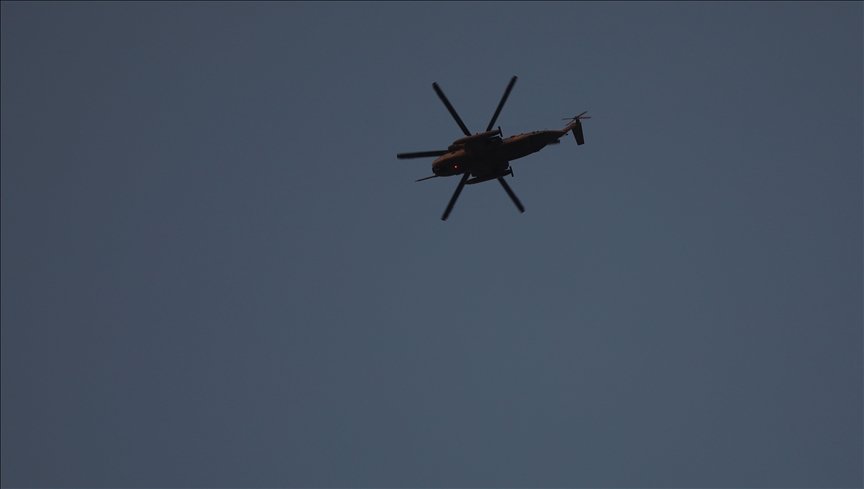
A military helicopter crashed in the United Arab Emirates on Monday, killing two service members. The UAE Ministry of Defense confirmed that the crash occurred due to a mechanical failure while the soldiers were performing national duties.
According to Daljoog News analysis, the incident comes amid heightened tensions in the Middle East involving Israel, Iran, and the United States. The UAE’s announcement clarifies that it will not participate in military actions against Iran despite regional hostilities.
The crash and the UAE’s diplomatic position highlight the complexity of Middle Eastern security. While tensions escalate across multiple fronts, some states are signaling restraint to avoid further escalation or unintended involvement.
What Happened?
On Monday, a UAE military helicopter experienced a mechanical malfunction during domestic operations. The aircraft went down, killing two members of the armed forces. Details about the specific type of helicopter or the exact location of the crash have not been released.
The UAE Ministry of Defense issued a statement confirming the fatalities but offered no additional information regarding investigations or potential causes beyond mechanical failure.
This incident occurred while the region remains on edge due to ongoing clashes between Israel, Iran, and U.S.-backed forces. Iran has launched missile and drone attacks targeting U.S. bases and allied positions, while Israel has conducted retaliatory strikes.
Amid these hostilities, some reports indicated the UAE could be drawn into the conflict. However, the country has officially denied any intention to engage in offensive operations.
Why This Matters
The crash comes at a sensitive moment in the Middle East. Even accidents involving military assets can be interpreted politically in a region already prone to rapid escalation.
By confirming its non-involvement in operations against Iran, the UAE aims to maintain a neutral stance and reduce the risk of retaliation or misinterpretation of its military activities. This approach is significant given the UAE’s strategic partnerships with the United States and other regional allies, and its role as a key diplomatic player in Gulf affairs.
Additionally, the fatalities serve as a reminder of operational risks within militaries even outside combat zones. Mechanical failures in helicopters, drones, and other aircraft remain a persistent hazard, particularly during heightened operational readiness.
What Analysts or Officials Are Saying
Military analysts note that the UAE’s announcement of neutrality reinforces its cautious regional policy. Analysts suggest that while the UAE maintains strong security ties with the United States and Israel, it is unlikely to escalate its involvement unless directly threatened.
UAE officials have stressed the country will not permit its territory or resources to be used for attacks on Iran. During a press briefing in Geneva, UAE Ambassador Jamal Al Mosharraf stated that the nation has consistently made its position clear and will not participate in military confrontations targeting Iran.
Experts point out that the UAE’s stance aims to prevent spillover of regional conflicts onto its territory while maintaining its strategic alliances and economic stability.
Daljoog News Analysis
Daljoog News observes that this combination of a domestic accident and a neutral diplomatic position underscores the UAE’s delicate balancing act in a volatile region. While U.S. and Israeli operations against Iran continue, the UAE is signaling restraint and caution.
The helicopter crash highlights both operational risks for military forces and the potential for high-stakes incidents to attract international attention. At the same time, the UAE’s public neutrality helps limit its exposure to potential retaliatory strikes or entanglement in escalating hostilities.
The situation demonstrates how regional conflicts intersect with domestic security events, where even non-combat incidents can carry political and strategic significance.
What Happens Next
Investigations into the helicopter crash are expected to continue, with UAE authorities likely to examine mechanical systems and maintenance protocols. Further details on the victims and their missions may be released as the investigation progresses.
Diplomatically, the UAE is expected to continue its neutral posture. Observers will watch for statements at the United Nations and other international forums to ensure its stance remains clear.
As regional tensions persist, the UAE’s declaration of non-involvement may help prevent miscalculations by adversaries and reduce the risk of being drawn into broader conflict.