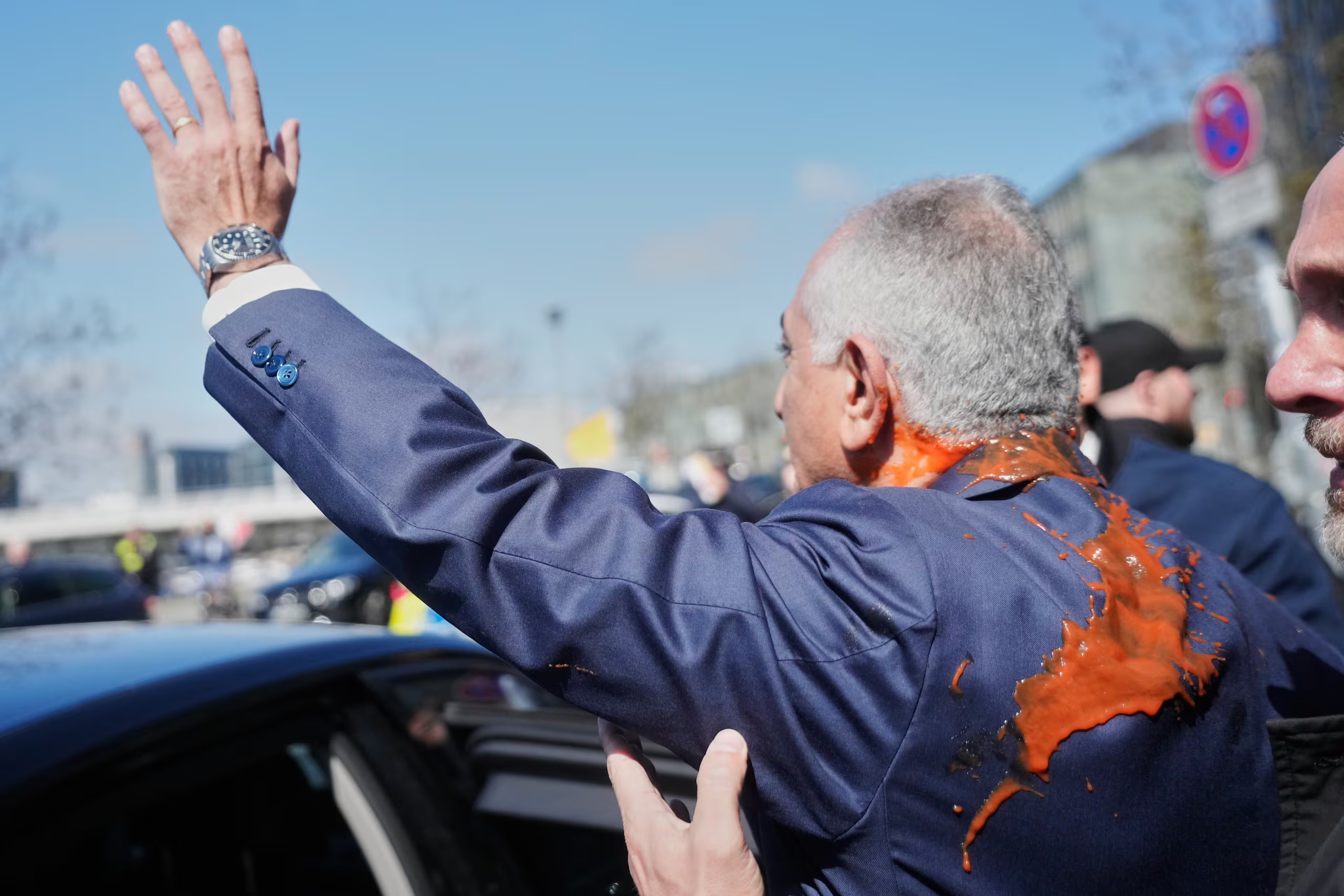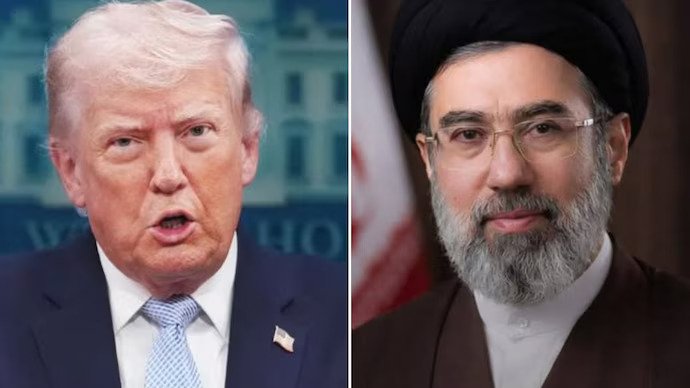




Israel’s Prime Minister, Benjamin Netanyahu, remains one of the most dominant and controversial figures in the country’s political history. Since first taking office in 1996, he has repeatedly returned to power through elections, coalition deals, and political comebacks that have kept him at the center of Israeli politics for decades.
According to Daljoog News analysis, Netanyahu’s long political presence has created a deeply divided public perception. Supporters view him as a strong leader capable of navigating Israel through security threats, while critics argue his tenure has been marked by political scandals, legal disputes, and polarizing policies.
The debate surrounding Netanyahu has intensified during periods of regional tension and domestic political uncertainty. As Israel faces complex security challenges and internal political divisions, scrutiny of the prime minister’s leadership continues to grow both at home and internationally.
What Happened?
Benjamin Netanyahu first became Israel’s prime minister in 1996. Since then, he has served multiple terms, making him the longest-serving leader in the country’s history.
His political career has included several dramatic moments, including electoral defeats followed by rapid returns to power through coalition negotiations. Israeli politics often revolves around coalition governments, and Netanyahu has repeatedly managed to maintain influence through complex alliances with smaller political parties.
However, his long career has also been accompanied by persistent allegations and public criticism.
Some controversies have focused on claims that wealthy supporters provided luxury gifts or benefits. Critics argue that such gestures may represent improper influence in political decision-making. Netanyahu and his supporters have often rejected these claims, describing the items as personal gifts from friends rather than corruption.
Financial spending during official trips has also drawn attention. For example, reports about a government visit to New York in 2016 highlighted travel expenses that reached hundreds of thousands of dollars, sparking public debate over government spending.
Other reports have pointed to unusually high costs associated with travel arrangements and personal services during official visits abroad.
These controversies have fueled ongoing public discussion about leadership accountability and transparency in government.
Why This Matters
Netanyahu’s political legacy matters not only for Israel but also for the broader Middle East.
Israel plays a central role in regional diplomacy, security dynamics, and international alliances. Decisions made by Israeli leadership often have implications for relations with neighboring countries, major global powers, and ongoing regional conflicts.
Netanyahu’s leadership style has strongly shaped Israel’s strategic posture. He has emphasized national security, military readiness, and a firm stance toward regional rivals.
Supporters argue that his policies have strengthened Israel’s defense capabilities and international influence. Critics, however, believe his approach has deepened political divisions within Israel and complicated diplomatic relations in some areas.
The debate surrounding Netanyahu also reflects broader questions about leadership accountability in long-serving governments.
Political figures who remain in power for extended periods often face increased scrutiny over decision-making, transparency, and personal conduct.
What Analysts or Officials Are Saying
Political analysts say Netanyahu’s enduring influence reflects both his political skill and the fragmented nature of Israeli politics.
Coalition governments require complex negotiations among multiple parties, and Netanyahu has demonstrated an ability to maintain alliances even during periods of intense political rivalry.
At the same time, experts note that repeated controversies have gradually eroded trust among segments of the Israeli public.
Legal investigations and corruption allegations in recent years have also contributed to the polarized debate surrounding his leadership.
International observers often view Netanyahu as a decisive and strategic leader, particularly on security matters. However, critics within Israel and abroad argue that his policies toward Palestinians and regional conflicts have attracted increasing international criticism.
Reports of civilian casualties during military operations have prompted calls from some human rights groups for investigations into alleged violations of international law.
Israeli officials generally reject accusations of wrongdoing and emphasize that military operations are conducted in response to security threats.
Daljoog News Analysis
Benjamin Netanyahu’s political journey illustrates the complexity of leadership in a highly polarized democratic system.
Few leaders remain at the center of national politics for nearly three decades. His continued influence reflects a combination of political strategy, strong support from key constituencies, and the importance of security issues in Israeli public debate.
However, long tenures often amplify scrutiny.
Controversies over spending, gifts, and legal investigations have created a persistent narrative among critics that Netanyahu represents a political system too closely tied to elite networks and personal influence.
At the same time, supporters argue that his leadership has provided stability during periods of intense regional instability.
The contrast between these perspectives explains why Netanyahu remains both one of Israel’s most powerful political figures and one of its most debated.
The broader lesson may be that political longevity inevitably magnifies both achievements and controversies.
What Happens Next
The future of Netanyahu’s political career will likely depend on several factors, including legal developments, election outcomes, and shifting public opinion within Israel.
Domestic political competition remains intense, and opposition leaders continue to challenge his leadership and policies.
Regional security dynamics will also shape the political landscape. Escalating tensions in the Middle East often influence Israeli elections and public attitudes toward leadership.
Meanwhile, speculation and rumors about political figures frequently circulate online during periods of crisis. Many such claims lack verified evidence and highlight the growing role of information battles in modern geopolitics.
For now, Netanyahu remains a central figure in Israeli politics, admired by supporters and criticized by opponents.