



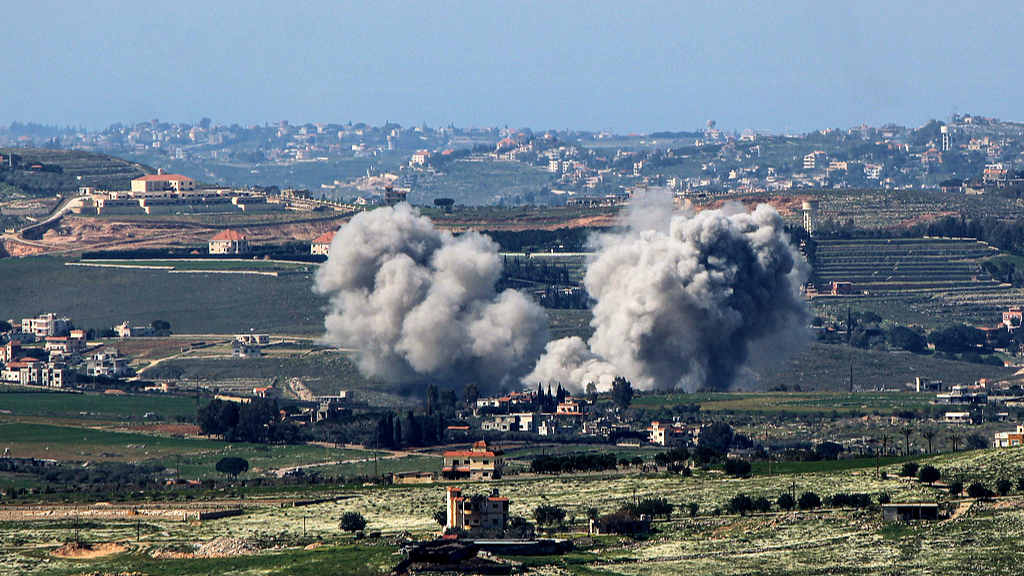
Hezbollah has launched new attacks on Israeli military and naval installations along the Lebanon-Israel border, heightening tensions in the region. The group claims to have targeted key sites in northern Israel using advanced missile technology.
According to Daljoog News analysis, these strikes are part of a pattern of escalating cross-border attacks and retaliatory measures. Hezbollah frames its actions as responses to Israeli air and artillery operations, while Israel faces mounting challenges in protecting northern settlements.
The incident comes amid broader Middle East instability, with multiple flashpoints along the Israel-Lebanon frontier. The attacks highlight the fragility of border security and the persistent risk of escalation between state and non-state actors.
What Happened?
Hezbollah confirmed that it targeted strategic Israeli sites in northern Israel, including the Haifa naval port along the Mediterranean coast. The group also carried out missile strikes on the Misgav region and launched two drone attacks on the city of Nahariya.
According to reports from Al Jazeera, the strikes employed advanced missile systems, emphasizing Hezbollah’s growing technological capabilities. The group described these actions as direct responses to Israeli aerial and artillery operations in southern Lebanon.
Israeli authorities have acknowledged the attacks but have yet to provide full details on damages or casualties. Local populations in targeted areas reportedly received prior warnings, which Hezbollah cited as part of its operational communication.
The attacks follow a series of previous assaults on the same strategic sites, suggesting a deliberate focus on northern Israel’s military infrastructure.
Why This Matters
These attacks demonstrate the ongoing volatility along the Israel-Lebanon border, a key flashpoint in the broader Middle East conflict. Hezbollah’s ability to strike critical military and naval sites underlines the persistent threat posed by non-state actors with significant missile and drone capabilities.
For Israel, protecting northern towns and military assets remains a strategic priority. The strikes put pressure on its air defense systems and raise concerns about civilian safety, as northern populations live under repeated threat of rocket or drone attacks.
Beyond Israel and Lebanon, such incidents influence regional security dynamics, including the strategic calculations of neighboring countries and international actors monitoring the conflict.
What Analysts or Officials Are Saying
Military analysts note that Hezbollah’s use of precision missiles and drones signals a significant increase in operational sophistication. The group has repeatedly demonstrated its ability to strike strategic targets in northern Israel, challenging traditional defense assumptions.
Officials in Israel have emphasized the continued readiness of air defense systems while investigating the scope of damage. Analysts suggest that Hezbollah’s actions are designed both as retaliation and as a demonstration of deterrent capability, sending a strategic message to Israel and its allies.
Security observers caution that repeated cycles of attack and counterattack increase the risk of escalation, potentially drawing in broader regional involvement.
Daljoog News Analysis
The recent Hezbollah strikes highlight the persistent risk of escalation along the Israel-Lebanon frontier. The group’s focus on high-value military and naval targets shows an operational intent beyond sporadic attacks, potentially signaling a strategy to project influence across the northern Israeli corridor.
The use of drones alongside missile strikes marks a growing trend in modern asymmetric warfare, where non-state actors combine conventional and technological capabilities to challenge state military forces.
For Israel, the incident underscores the limits of existing defensive systems and the challenges of protecting urban and strategic infrastructure under sustained threat.
The broader implication is that border stability in this region remains highly sensitive, with any miscalculation potentially triggering larger-scale conflict.
What Happens Next
Israeli defense forces are likely to reinforce northern defenses and conduct assessments of damaged military infrastructure. Continued vigilance is expected in Haifa, Misgav, Nahariya, and surrounding areas.
Hezbollah may continue its operations as a form of retaliation against perceived Israeli provocations. Analysts will be closely monitoring for potential escalation cycles, including further missile or drone strikes.
Diplomatic channels, both regional and international, may attempt to mediate tensions, but the immediate security concern remains acute for border communities.