



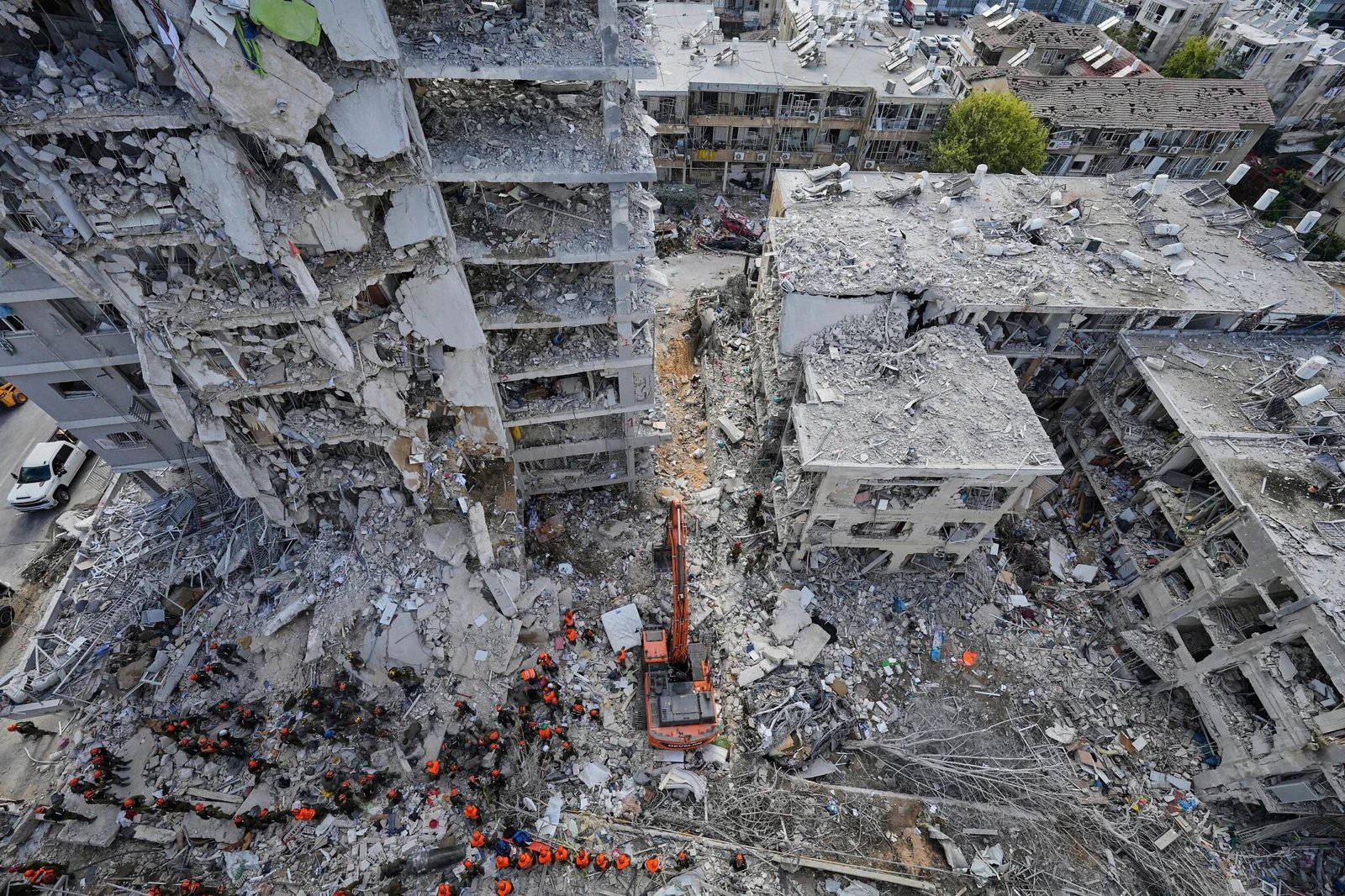
Iranian missile and drone attacks have caused significant damage across Israel, with thousands of citizens filing insurance claims for lost property. The Israeli government has yet to release an official total of the destruction.
According to Daljoog News analysis, early indications suggest that the financial and structural impact of the strikes is extensive, especially in central Israel, highlighting the human and economic toll of the conflict.
The timing is critical as the ongoing operations appear focused on central regions rather than a broad nationwide strike, suggesting a strategic shift in targeting compared with previous conflicts.
What Happened?
During the first 11 days of the conflict, Iranian forces launched nearly 600 missiles and drones targeting Israeli territory. Many of these struck buildings, infrastructure, and civilian assets directly, causing widespread property damage.
Although Prime Minister Benjamin Netanyahu’s administration has not published an official tally of losses, partial data from the Israeli Tax Authority offers insight. By the 11th day of hostilities, 9,115 citizens had submitted insurance claims. On average, 828 claims were filed daily.
Among these claims, 6,586 were for damaged buildings, 1,485 for vehicles, and 104 for furniture and equipment. Most claims came from central Israel, particularly Tel Aviv, where 4,609 residents filed requests, and nearby regions, which submitted over 3,600 applications collectively.
While the total financial loss has not been officially calculated, preliminary estimates suggest hundreds of millions of shekels in damage. By comparison, during a previous conflict with Iran last June, 53,409 insurance claims were filed, resulting in losses exceeding three billion shekels.
Experts note that Iranian attacks appear more targeted this time. While last year’s strikes hit multiple regions across Israel, the current campaign focuses primarily on central zones, indicating a tactical adjustment in Iran’s approach.
Why This Matters
The concentrated damage highlights the vulnerability of civilian infrastructure in ongoing regional conflicts. Central Israel, home to major commercial hubs and population centers, has borne the brunt of the strikes, intensifying the economic and social impact.
The surge in insurance claims underscores the broader financial consequences for residents and businesses, potentially affecting the local economy for months. The data also reflects public concern and pressure on government institutions to provide relief and reconstruction support.
Strategically, the Iranian approach indicates a focus on high-value targets within Israel rather than indiscriminate nationwide attacks. Analysts suggest this could be part of a longer-term strategy to influence central Israeli regions while minimizing international backlash.
What Analysts or Officials Are Saying
Security experts emphasize that while the current missile campaign is smaller in scale than previous attacks, its concentration on urban centers can produce disproportionate economic and psychological effects.
Officials in Israel have maintained a cautious public stance, avoiding full disclosure of damage while focusing on emergency responses and infrastructure repair. Analysts note that limited reporting may aim to prevent public panic and maintain confidence in state institutions.
The pattern of claims also highlights residents’ reliance on insurance and state compensation mechanisms during times of conflict, signaling potential pressures on both financial systems and government support programs.
Daljoog News Analysis
The ongoing attacks demonstrate both the lethality and precision of Iranian missile and drone capabilities. By concentrating on central regions, Tehran may be signaling strategic restraint while still applying pressure on key population and economic centers.
From a civilian perspective, the high volume of claims highlights the vulnerability of infrastructure even in countries with advanced defense systems. The economic toll may compound the social and psychological impact of prolonged conflict.
The contrast with last year’s broader campaign suggests Iranian forces have refined their targeting approach. Limiting strikes to specific high-value zones could aim to maximize impact while avoiding complete nationwide escalation, a tactic that may shape the conflict’s trajectory in the weeks ahead.
What Happens Next
Israeli authorities are expected to continue compiling damage assessments, prioritizing reconstruction and compensation efforts. The flow of insurance claims will provide additional insight into the scope of destruction.
Strategically, monitoring Iranian missile and drone activity remains crucial. Analysts anticipate continued focused attacks, particularly in central Israel, as Tehran appears to refine its campaign based on lessons from prior conflicts.
The situation underscores the need for ongoing diplomatic engagement and preparedness for further escalation. Observers will be watching both the military response and potential international interventions closely.