


The United States is currently not fully prepared to patrol the Strait of Hormuz, despite ongoing tensions with Iran. Recent statements from US officials indicate that Washington is prioritizing neutralizing Iran’s offensive capabilities over protecting commercial shipping.
According to Daljoog News analysis, this approach reflects a strategic calculation: the US aims to degrade Iran’s military infrastructure first, even if it temporarily limits direct protection for tankers navigating this vital trade route.
The situation is especially critical following Tehran’s recent threats to close the Strait and push global crude oil prices above $200 per barrel, heightening concerns about energy security and international trade.
What Happened?
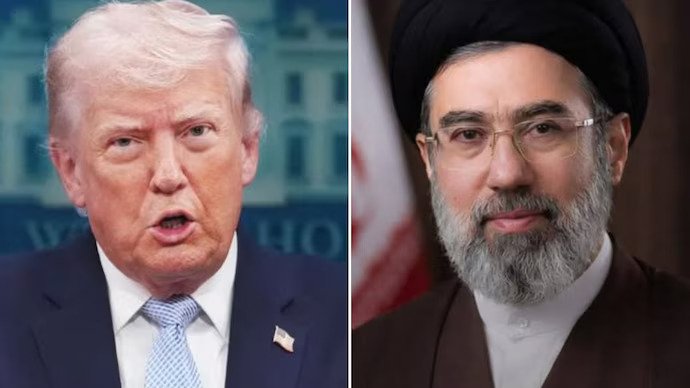
On Wednesday, US President Donald Trump emphasized that the US will maintain a long-term stance against Iran and is closely monitoring the Strait of Hormuz. However, the following day, US Energy Secretary Chris Ryze told CNBC that the US Navy is not yet ready to escort commercial oil tankers in the waterway.
Ryze explained that all military focus is currently on assessing and neutralizing Iran’s offensive capabilities and destroying infrastructure linked to its missile and nuclear programs. He warned that without these measures, Iran could seize control of the Strait in a short period, leveraging its strategic position to influence global oil flows.
The Iranian government recently threatened to block the Strait and push the price of crude oil to $200 per barrel. When questioned, Ryze said such a scenario is unlikely but emphasized that military options remain a priority.
He also noted that global energy transportation has already experienced disruptions since the conflict with the US and Israel began on February 28. Ryze described these challenges as short-term pains necessary to secure long-term stability in global energy supply.
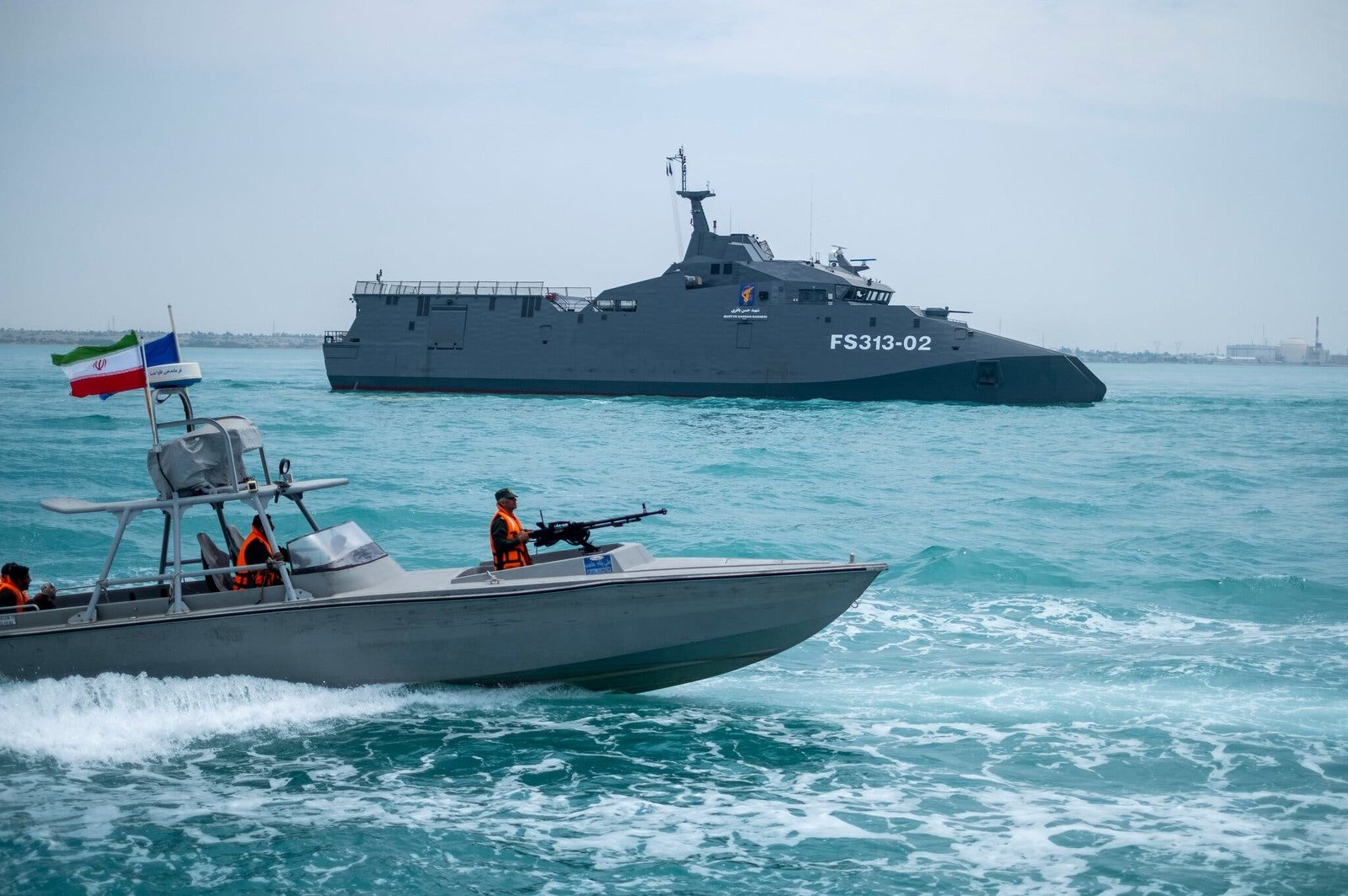
In parallel, Iran’s Islamic Revolutionary Guard Corps (IRGC) has issued warnings that ships from the US, Israel, or allied nations navigating the Strait could be targeted if hostilities continue.
Why This Matters
The Strait of Hormuz is one of the world’s most strategic maritime passages, carrying a significant portion of global oil exports. Any disruption in this corridor has immediate economic consequences, impacting energy markets worldwide.
Iran’s threats and the US military’s current focus on offensive operations highlight the delicate balance between strategic deterrence and operational readiness in the Gulf region.
Observers note that Iran’s control over the Strait, even temporarily, could provide Tehran with leverage over global energy markets and regional geopolitics. At the same time, the US aims to prevent escalation while degrading Iran’s offensive capacity.
What Analysts or Officials Are Saying
Analysts suggest that the US approach signals a deliberate prioritization of neutralizing Iranian threats over immediate protection of commercial shipping.
Experts also note that even short-term disruptions in tanker movements could push crude oil prices higher, affecting both regional and global economies.
Officials warn that Iran’s IRGC has a history of targeting shipping in the Gulf during periods of tension, making the Strait a high-risk zone for military and commercial vessels alike.
Daljoog News Analysis
The US strategy reflects a recognition that Iran’s long-range missile and nuclear programs are central to its ability to project power in the Gulf. By focusing on neutralizing these capabilities, Washington aims to prevent a scenario where Tehran can permanently control the Strait.
However, this prioritization leaves commercial shipping vulnerable in the short term, forcing global markets to absorb potential disruptions. Analysts warn that any miscalculation could escalate hostilities, drawing more regional and even international actors into the conflict.
The dynamic also illustrates the interconnected nature of energy security and military strategy in the Middle East, where infrastructure, shipping, and strategic chokepoints like Hormuz are central to global stability.
What Happens Next
The US military is expected to continue operations aimed at degrading Iranian offensive capabilities while monitoring the Strait for any hostile activity.
Diplomatic channels may attempt to reduce tensions, but Tehran’s threats to block shipping and escalate attacks will keep the region on high alert.
Commercial operators are likely to adjust shipping routes and security protocols in response to ongoing risks.
The situation remains fluid, with any escalation in the Gulf likely to have immediate implications for global energy markets and regional security.