


A new technological dimension is emerging in the escalating Middle East conflict. While missiles and fighter jets dominate headlines, intelligence networks, satellites, and encrypted communications are quietly shaping the battlefield.
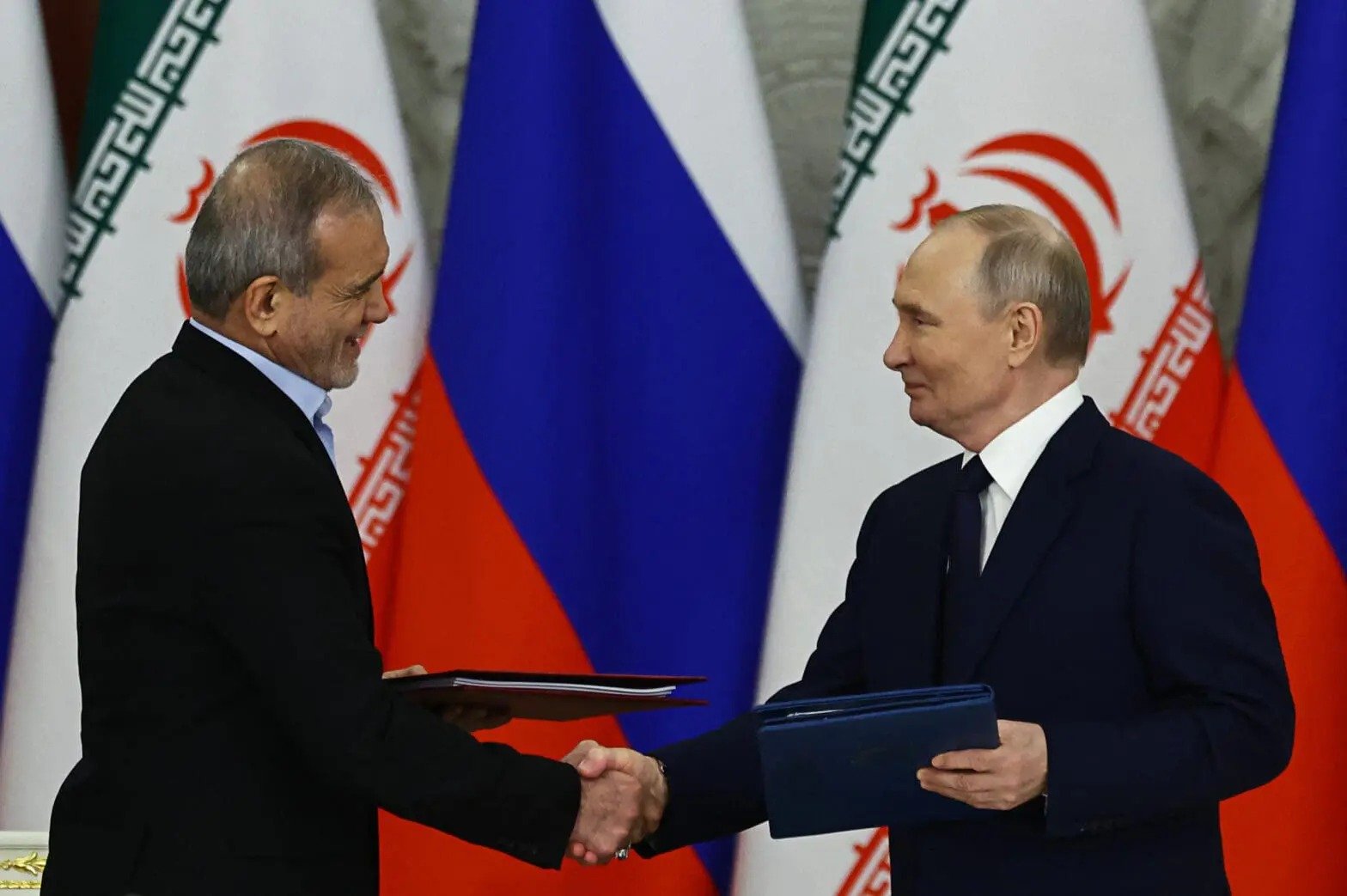
According to Daljoog News analysis, recent claims by U.S. officials suggest Russia may be providing sensitive intelligence to Iran, allowing Tehran to better identify U.S. and Israeli military targets. If confirmed, the assistance could significantly alter the strategic balance in the region.
The development highlights how modern warfare increasingly depends on information dominance rather than just firepower. In conflicts today, satellite imagery, radar data, and digital coordination often determine success long before missiles are launched.
What Happened?
Senior U.S. officials told the Washington Post that Russia has been quietly sharing intelligence with Iran during the current conflict. According to these sources, the data includes satellite imagery and location information that could help Tehran identify American and Israeli military installations more precisely.
The reports indicate that such intelligence could allow Iranian forces to track sensitive targets such as naval movements, airbases, and communication facilities across the Middle East.
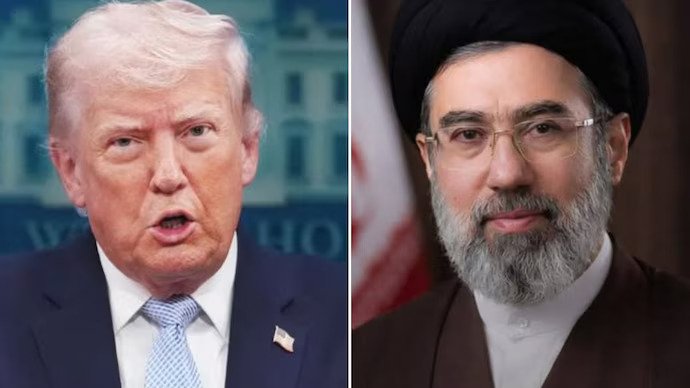
Russian President Vladimir Putin reportedly denied providing such assistance during a phone conversation with U.S. President Donald Trump. However, analysts believe that intelligence cooperation between Moscow and Tehran has deepened in recent years.
Iran’s own satellite surveillance capabilities remain limited. Experts say Russia’s extensive satellite network could fill this gap, enabling Iran to monitor military movements and strategic infrastructure more effectively.
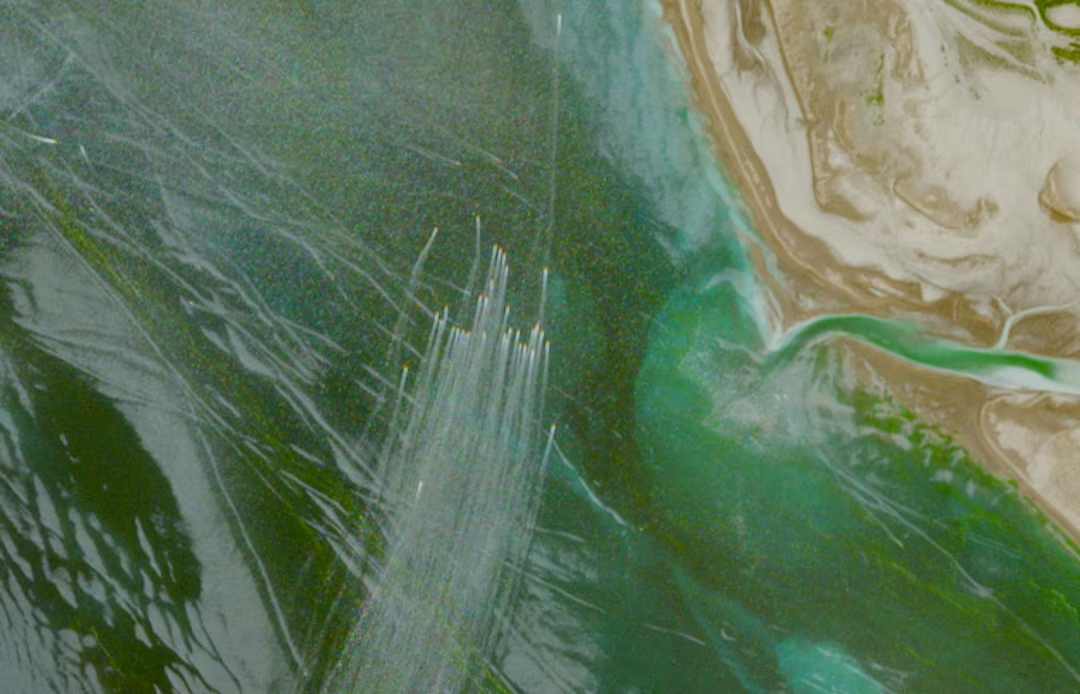
Particular attention has focused on the Kanopus-V satellite system, which Iran refers to as the Khayyam satellite. The system is capable of capturing high-resolution optical and radar images both day and night, potentially allowing Iranian analysts to track ships at sea and identify military installations.
Why This Matters
If Iran is receiving advanced satellite intelligence from Russia, it would represent a significant shift in the technological balance of the conflict.
Modern warfare relies heavily on accurate targeting information. Access to real-time satellite imagery could help Iran plan drone or missile strikes with greater precision, reducing uncertainty and improving operational effectiveness.
U.S. defense officials have already expressed concern following a drone attack on an American military facility in Kuwait that killed six U.S. service members. Pentagon analysts suspect the accuracy of the strike may have been supported by advanced intelligence data.
Beyond immediate battlefield effects, the alleged cooperation also reflects broader geopolitical realignments. Russia, Iran, and China have strengthened strategic ties in recent years, particularly in areas related to defense technology and military coordination.
What Analysts or Officials Are Saying
Security analysts say the growing importance of intelligence-sharing illustrates how warfare has evolved in the digital age.
Military experts note that satellites now play a central role in modern conflicts. High-resolution imagery, radar scanning, and signal interception allow commanders to track troop movements, identify installations, and anticipate enemy strategies.
Another concern among Western officials involves China’s growing technological involvement with Iran. Reports indicate that Iran has begun integrating China’s BeiDou satellite navigation system into its military operations, reducing reliance on the U.S.-controlled GPS network.
The BeiDou system provides encrypted navigation and positioning services, potentially making Iranian military systems more resistant to disruption by Western forces.
In addition, China has reportedly supplied advanced radar technologies capable of detecting stealth aircraft. Such systems could make it easier for Iranian defenses to identify high-tech fighter jets that traditionally evade detection.
Reuters has also reported that Iran is close to finalizing a deal to purchase Chinese supersonic anti-ship missiles. These weapons travel several times faster than the speed of sound and skim close to the ocean’s surface, making them difficult for naval defense systems to intercept.
Daljoog News Analysis
Daljoog News assesses that the conflict in the Middle East is rapidly evolving into a technology-driven contest of intelligence capabilities.
While missiles and airstrikes dominate public attention, the real strategic advantage often lies in information superiority. Countries that control surveillance networks, satellite imagery, and encrypted communication systems gain a decisive edge on the battlefield.
Russia’s potential intelligence support, combined with China’s technological assistance, could significantly enhance Iran’s operational capabilities. Together, these developments suggest a gradual shift toward a multi-power technological alliance shaping the conflict.
At the same time, the United States and Israel continue to conduct targeted operations against Iranian radar systems and command centers. Several infrastructure sites have reportedly been damaged in recent strikes aimed at weakening Tehran’s surveillance capabilities.
The result is an invisible but intense struggle in the skies above the Middle East—one fought through satellites, radar waves, and data streams rather than conventional armies.
What Happens Next
Military analysts expect the technological competition to intensify as the conflict continues.
Iran may expand its use of satellite intelligence and encrypted navigation systems to coordinate drone and missile operations more effectively. Meanwhile, the United States and Israel are likely to increase efforts to disrupt these capabilities through cyber operations, electronic warfare, and targeted strikes.
The broader concern is that the conflict could become increasingly complex as global powers indirectly shape the battlefield through technology and intelligence sharing.
For now, the skies over the Middle East reveal a new reality: in modern warfare, information may be the most powerful weapon of all.