

China has signaled stronger political and humanitarian support for Iran as the conflict involving Israel and the United States continues to escalate across the region. The development comes as tensions rise following reports of intensified missile exchanges and growing civilian casualties.
According to Daljoog News analysis, Beijing’s public statements and humanitarian assistance suggest China is moving from quiet diplomatic backing toward a more visible role in the unfolding crisis.
The situation has drawn global attention because it highlights the risk of broader geopolitical alignment in the Middle East, where major powers are increasingly being pulled into regional conflicts.
What Happened?
The latest developments emerged after reports of intensified Iranian missile activity targeting Israeli positions as the conflict continued to evolve.
At the same time, China announced humanitarian assistance for families affected by a deadly incident involving a school in Iran’s southern city of Minab. The incident reportedly resulted in the deaths of more than one hundred children after a missile struck the area during the early stages of military operations.
Chinese authorities stated that humanitarian aid worth approximately $200,000 would be delivered through the Red Cross Society of China to support affected families.
Officials in Beijing described the assistance as an emergency humanitarian gesture intended to help victims and provide relief during a difficult moment.
China’s Foreign Ministry also expressed concern about attacks affecting civilian infrastructure, including schools. Officials emphasized that international humanitarian law requires protection for civilians and educational facilities during armed conflict.
Meanwhile, preliminary military assessments reported by international media indicated that a missile involved in the incident may have struck the school due to a targeting error during military operations. Authorities in the United States have reportedly reviewed the incident as part of an internal investigation.
Israel has denied direct involvement in the strike and stated it had no prior knowledge of the incident.
Why This Matters
China’s visible engagement in the crisis could have broader geopolitical consequences.
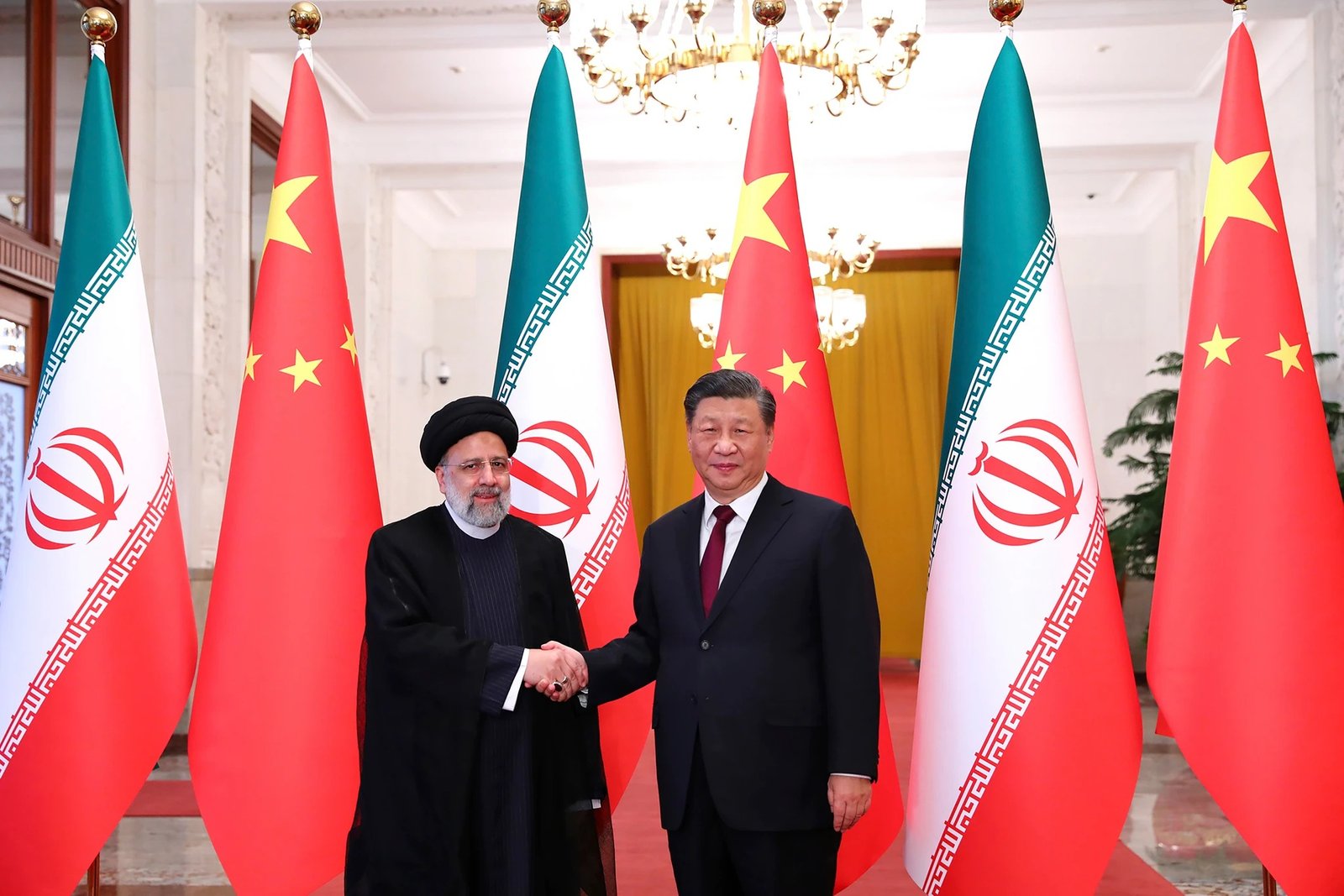
Beijing has traditionally maintained diplomatic relations with Iran while attempting to balance its relationships with other regional actors. However, humanitarian assistance and public criticism of civilian attacks indicate a stronger political signal.
For Iran, support from major global powers can strengthen its diplomatic position during periods of international pressure.
For Israel and the United States, China’s involvement adds another layer of complexity to an already volatile regional conflict.
The situation also highlights growing divisions among global powers regarding security dynamics in the Middle East.
What Analysts or Officials Are Saying
Foreign policy analysts note that China has increasingly expanded its diplomatic footprint in the Middle East over the past decade.
The country has invested heavily in energy partnerships, infrastructure development, and regional mediation efforts. These interests give Beijing strong incentives to prevent further instability in a region that plays a central role in global energy supply.
Chinese officials have repeatedly called for restraint and respect for international humanitarian law during the conflict.
At the same time, China has positioned its assistance as humanitarian rather than military, emphasizing support for civilians rather than direct involvement in combat operations.
Analysts believe this approach allows Beijing to express solidarity with Iran while maintaining its broader diplomatic posture as a mediator and economic partner across the region.
Daljoog News Analysis
China’s response reflects a careful balancing act between humanitarian diplomacy and geopolitical signaling.
While the financial aid itself is relatively modest, the symbolic impact is far greater. Public expressions of support during a high-profile conflict can reshape perceptions of international alliances.
Beijing appears to be using humanitarian language to reinforce its role as a responsible global actor while quietly strengthening ties with Iran.
At the same time, China remains cautious about becoming directly involved in military confrontations far from its borders.
The broader implication is that major powers are increasingly aligning around regional conflicts, even if those alignments remain primarily diplomatic rather than military.
If such patterns continue, global tensions could deepen as competing alliances respond to shifting political dynamics.
What Happens Next
Several developments will shape how the situation evolves in the coming weeks.
Investigations into the school strike are expected to continue, with international attention focused on whether targeting errors or operational failures were responsible for the tragedy.
China may also expand its diplomatic engagement with Iran and other regional actors if the conflict continues to intensify.
Meanwhile, international organizations and governments are likely to increase calls for restraint and civilian protection.
The risk of broader geopolitical involvement remains one of the most closely watched aspects of the crisis.
As the conflict unfolds, the responses of major powers such as China will play a critical role in determining whether tensions escalate further or move toward diplomatic containment.