


Iran has publicly accused the United States and Israel of using fake drones modeled after its Shahid unmanned aircraft to carry out attacks in the region. Tehran claims these operations aim to frame Iran for incidents it did not commit.
According to Daljoog News analysis, this development illustrates how technological and information warfare has become a central feature of modern Middle East conflicts, extending beyond traditional military operations.
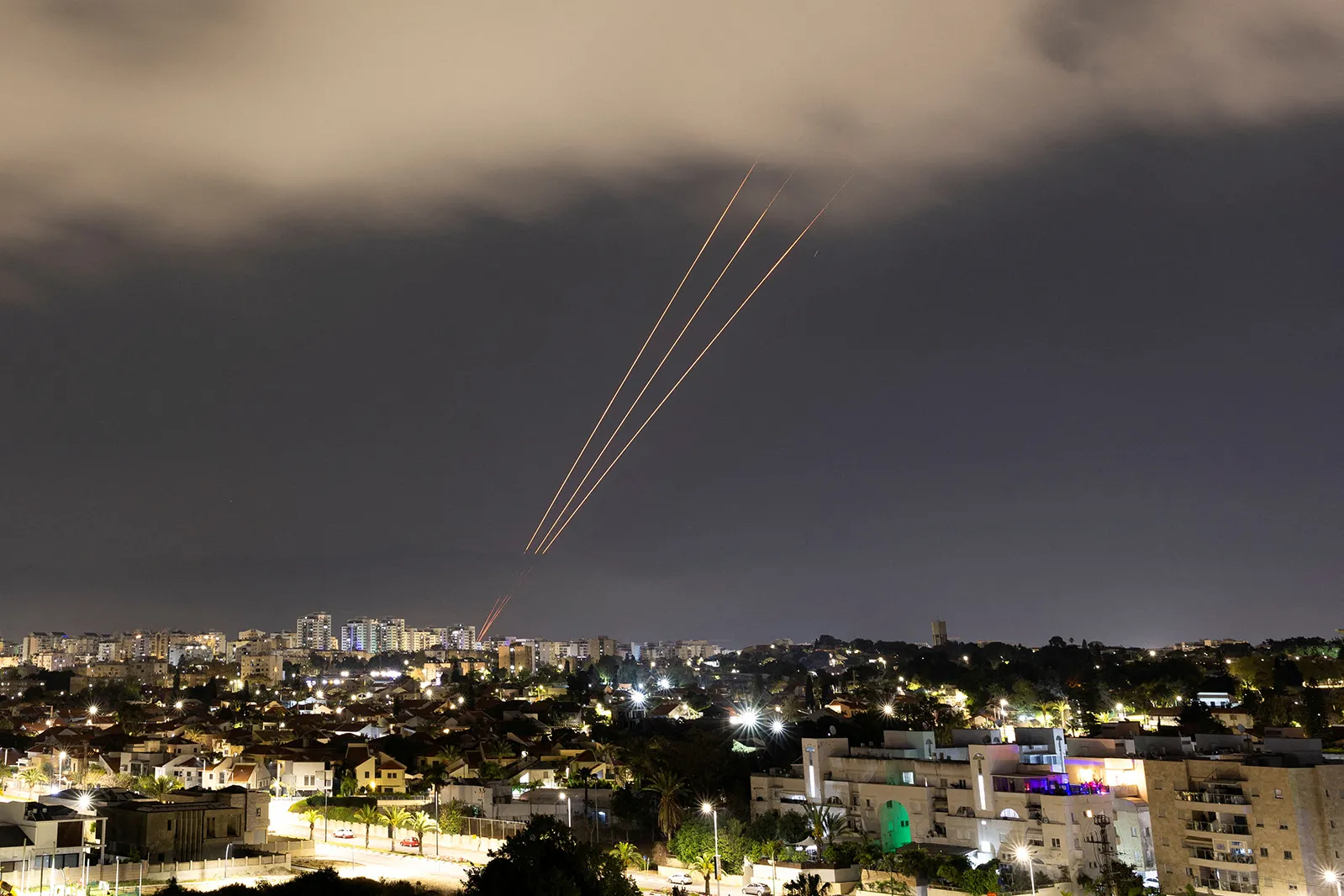
The allegations come amid rising tensions in neighboring countries, including Turkey, Kuwait, and Iraq, where drone-related incidents have been reported. Experts warn that this phase of conflict adds both strategic complexity and reputational risk for Iran on the global stage.
What Happened?
Iran’s statement, issued by the headquarters of Khatam al-Anbiya, claims that the United States and Israel have been using replicas of Iranian Shahid drones under the name “Lucas.” These drones reportedly carry out attacks across various locations, after which responsibility is falsely attributed to Iran.
The Iranian authorities argue that the objective behind these operations is twofold: to undermine Iran’s military credibility and to create confusion among neighboring countries in the Middle East. Tehran suggests that the broader goal is to influence international opinion and damage Iran’s reputation.
Recent incidents in Turkey, Kuwait, and Iraq have been cited as examples where Tehran claims responsibility has been misattributed. The Iranian statement underscores that these attacks are designed to manipulate perceptions in the international community.
Why This Matters
Analysts say the use of fake drones represents a growing intersection of technology, intelligence, and modern warfare. The Shahid drone itself is highly advanced, and its design and capabilities are reportedly being emulated by other countries for military applications.
By using drone replicas, adversaries can conduct attacks while misleading observers about the actual source, complicating conflict attribution and escalating regional tensions. This kind of operation can potentially provoke diplomatic disputes, increase mistrust among neighboring nations, and create instability across the Middle East.
Experts note that in this phase of conflict, unmanned aircraft, cyber operations, and information campaigns are as strategically significant as conventional missiles or military forces. The emphasis on data-driven and tech-based tactics marks a shift toward a multi-dimensional battlefield.
What Analysts or Officials Are Saying
Security specialists emphasize that technology-driven misdirection has become a key aspect of modern conflict. The replication of Iran’s Shahid drones by external actors illustrates how information warfare can magnify the impact of even minor attacks.
Analysts also point out that this approach complicates both defensive and diplomatic responses. Traditional military measures are insufficient when deception and tech-based manipulation are involved. Countries need robust surveillance, verification mechanisms, and cyber-intelligence capabilities to counter these tactics.
Daljoog News Analysis
The emergence of fake drones in the Middle East highlights a critical evolution in modern warfare. Iran’s accusations reveal that conflicts are increasingly fought on dual fronts: kinetic military operations and high-tech information warfare.
By replicating drones and assigning false responsibility, adversaries aim to erode Iran’s strategic credibility and influence global opinion against it. This method shows how technology now shapes not only tactical outcomes but also international perceptions.
For Tehran, the challenge is twofold: defending its airspace and capabilities while maintaining credibility in a highly complex information environment. The stakes are high, as misattribution could trigger wider regional responses or diplomatic repercussions.
This trend underscores a broader global lesson: in the era of advanced unmanned systems and digital intelligence, controlling information may be as critical as controlling territory.
What Happens Next
The ongoing use of fake drones signals that future conflicts in the Middle East may increasingly involve sophisticated technology and strategic deception.
Countries in the region will likely enhance monitoring and identification systems to verify drone operations. International observers may also demand clearer accountability mechanisms for attacks to prevent escalation.
Meanwhile, Tehran may pursue both diplomatic and technical measures to protect its military credibility and counter misinformation campaigns.
Overall, the conflict in the Middle East is entering a phase where drone technology, cyber operations, and information warfare define strategic advantage, creating new challenges for security, diplomacy, and regional stability.