


Iran has announced a new strategy linking oil shipments through the Strait of Hormuz to China’s currency, the yuan. This move directly challenges the long-standing dominance of the US dollar in global energy trade.
According to Daljoog News analysis, the arrangement allows limited shipments of Iranian crude to China in exchange for yuan payments, bypassing traditional petrodollar mechanisms that have underpinned US economic influence for decades.
The timing is critical. Global energy markets are already under pressure, and this step signals Tehran’s willingness to reshape trade dynamics while testing the resilience of dollar-based financial systems.
What Happened?
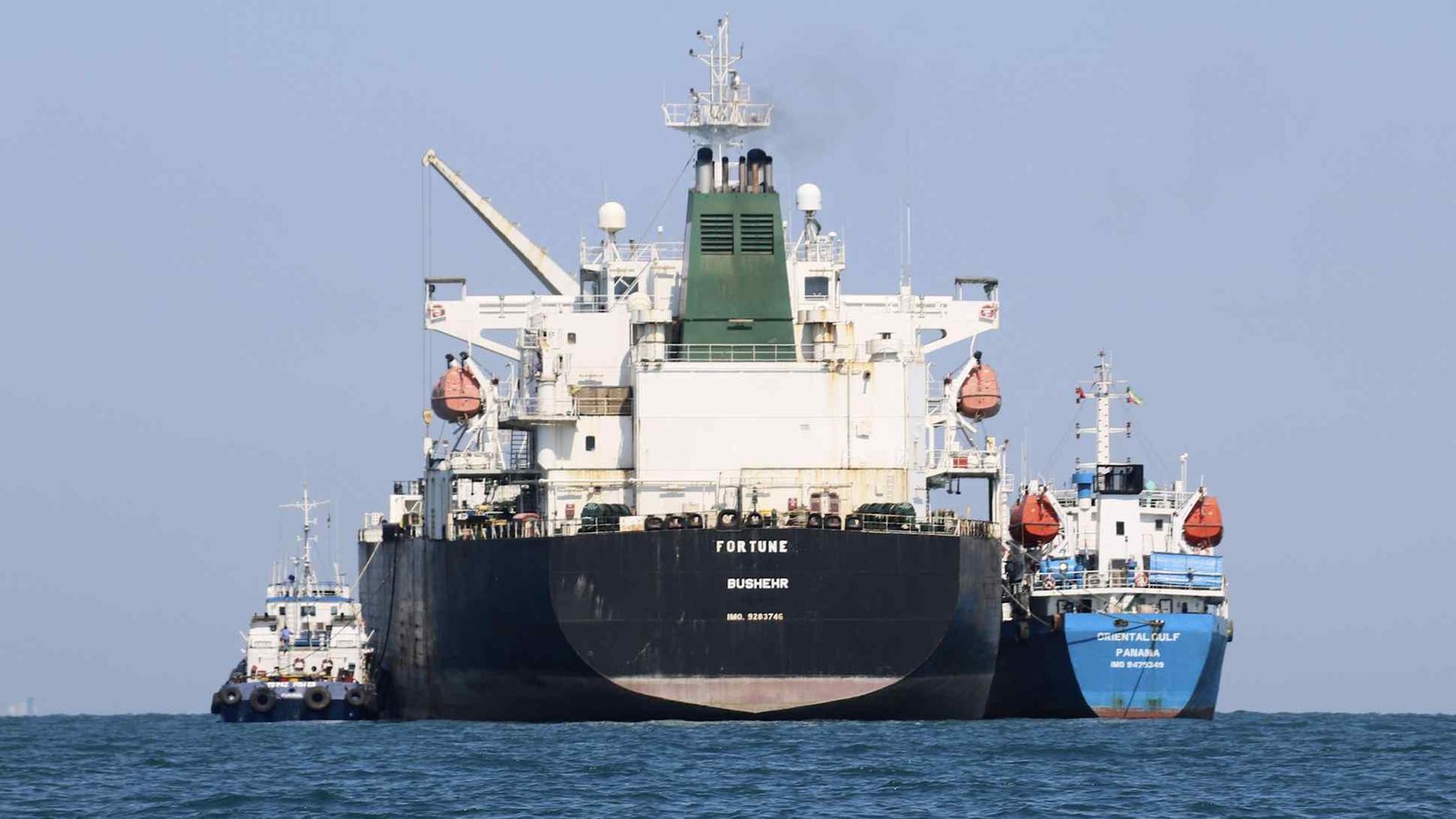
During the opening week of the ongoing regional tensions, Iran restricted passage through the Strait of Hormuz, one of the world’s most strategically important oil chokepoints. Through its Islamic Revolutionary Guard Corps (IRGC) navy, Tehran issued directives limiting vessel movement in the channel.
Despite restrictions, Iran continued to export oil to China. Senior Iranian officials confirmed to CNN that shipments could proceed only under the condition that transactions occur in Chinese yuan, not US dollars. The first deliveries under this system have already been executed, with tankers receiving payments in yuan since February 28.
This marks a significant shift from the 52-year-old petrodollar system, which has long tied global oil trade to the US currency. By conducting transactions in yuan, Iran and China are effectively creating an alternative pricing and settlement mechanism.
Why This Matters
The move has both economic and geopolitical implications. By using the yuan for oil transactions, Iran and China reduce reliance on the US dollar and challenge the financial leverage that the United States wields globally.
If widely adopted, the system could create two parallel oil markets: one priced in yuan via the Hormuz corridor and another priced in dollars through traditional routes. This bifurcation may increase transportation costs and market volatility, particularly for Western countries dependent on dollar-based oil imports.
The strategy also strengthens China’s position in global energy trade, allowing the country to conserve dollar reserves while gaining preferential access to Iranian crude. For Iran, yuan-based transactions provide a buffer against international sanctions targeting its economy.
What Analysts or Officials Are Saying
Economic experts describe Iran’s approach as a calculated test of the petrodollar system. By tying shipments to the yuan, Tehran leverages the strategic geography of the Strait of Hormuz, a chokepoint responsible for a significant portion of global oil flow.
Analysts note that even limited implementation could pressure dollar-denominated pricing mechanisms and force other countries to consider alternative currencies in energy trade. Financial strategists predict that if the model expands, it may gradually erode the dollar’s historical dominance in the oil sector.
Daljoog News Analysis
This initiative demonstrates how strategic use of geography, currency, and energy can challenge entrenched economic systems. Unlike military action, this maneuver targets the financial foundations of American global influence.
The dual-market scenario for crude oil — yuan-priced via Hormuz and dollar-priced through alternate routes — could reshape trade patterns, raise costs for Western buyers, and incentivize other nations to diversify currency use in critical commodity markets.
For Tehran and Beijing, the plan represents a convergence of geopolitical strategy and economic policy, highlighting a sophisticated understanding of global interdependencies. This approach underscores the increasing role of financial instruments as tools of strategic power in modern conflicts.
What Happens Next
If Iran and China continue expanding yuan-based oil trade, the petrodollar system could face sustained pressure, potentially prompting other nations to follow suit.
Western economies may see higher oil prices and logistical costs if shipments are diverted or if dollar-denominated markets shrink in influence. Monitoring how other oil-importing nations respond will be crucial in assessing the broader impact on global energy security.
Meanwhile, the Strait of Hormuz remains a central factor in regional power dynamics. Any future disruption or policy shift in this corridor could amplify financial and strategic consequences, making Tehran’s yuan-linked initiative a key development in global economic geopolitics.