



Under new directives from Iran’s Supreme Leadership, Tehran has intensified missile attacks on the United States’ ally Israel. The Revolutionary Guard’s strikes have damaged key cities and weakened Israel’s aerial defenses.
According to Daljoog News analysis, the sustained missile barrage has placed unprecedented pressure on Israel’s interceptor inventory, highlighting vulnerabilities in its long-range ballistic missile defense.
The situation is critical, as the ongoing conflict exposes gaps in Israel’s preparedness and raises concerns about the resilience of its defensive infrastructure in prolonged hostilities.
What Happened?
Iran has executed a series of coordinated missile strikes against Israeli targets, focusing on urban centers and military installations. The attacks have overwhelmed Israel’s early warning systems, allowing Iranian missiles to land with increased accuracy.
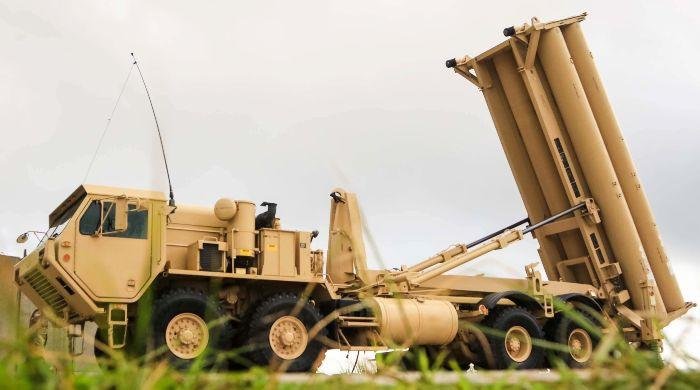
Recent reports from Washington-based media outlet Semaphore indicate that Israel’s supply of interceptors, the backbone of its long-range air defense, is dangerously low. This shortage has prompted Israeli authorities to request additional munitions from the United States.
The problem is compounded by Iran’s use of cluster munitions and extended-range missiles, which require multiple interceptors per target, rapidly depleting Israel’s stockpile. While Iron Dome systems remain effective against short-range threats, the defense against long-range ballistic missiles relies almost entirely on interceptors.
Why This Matters
Israel’s reliance on interceptors makes its air defense vulnerable under sustained attack. The depletion of these assets not only threatens civilian areas but also military infrastructure critical to maintaining operational stability.
The situation also carries broader strategic implications. The United States, Israel’s primary ally, is now drawn into a logistical and supply role to ensure Israel can sustain its missile defense capacity. Any delay in replenishment could heighten regional instability.
For the global community, this development illustrates the strain that modern missile warfare can place even on technologically advanced nations. Prolonged conflicts of this nature can quickly escalate, affecting both regional security and international diplomatic calculations.
What Analysts or Officials Are Saying
Defense analysts note that Israel’s interceptor shortage reflects both the intensity of Iranian missile strategy and the high cost of countering multiple simultaneous threats. Each small target often consumes multiple interceptors, creating exponential demand on Israel’s stockpile.
American officials have assured that the U.S. inventory of interceptors remains unaffected and that they will prioritize Israel’s replenishment needs. Experts emphasize that without timely resupply, Israel’s long-range missile defense capabilities could be severely compromised.
Daljoog News Analysis
Israel’s current predicament underscores the limitations of even advanced missile defense systems when confronted with sustained, high-intensity attacks. It highlights the strategic effectiveness of Iran’s approach in overwhelming defenses and exerting psychological and operational pressure.
The conflict also illustrates the interdependence of allied nations in modern warfare. While Israel’s Iron Dome handles short-range threats effectively, reliance on U.S.-supplied interceptors for long-range threats shows vulnerabilities in extended supply chains and stockpile management.
This scenario serves as a cautionary example for other nations investing in high-tech missile defenses, emphasizing that preparedness includes logistics, munitions stockpiles, and adaptive strategies against evolving threats.
What Happens Next
Israel will likely continue requesting urgent resupply of interceptors from the United States while exploring alternative strategies to manage Iranian missile attacks.
If Iran maintains the intensity of its strikes, Israel could face continued strain on its air defense, necessitating diplomatic and military coordination with allies. Observers will be closely monitoring how replenishment efforts and tactical adjustments affect the course of the conflict.
The evolving situation reinforces that missile warfare and countermeasure sustainability are central to modern conflict dynamics, with implications for both regional security and global military planning.