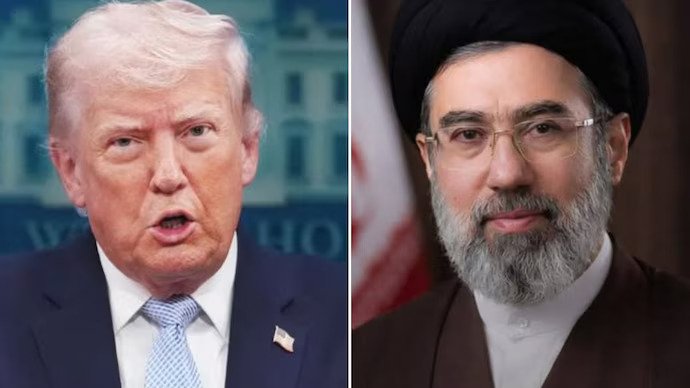



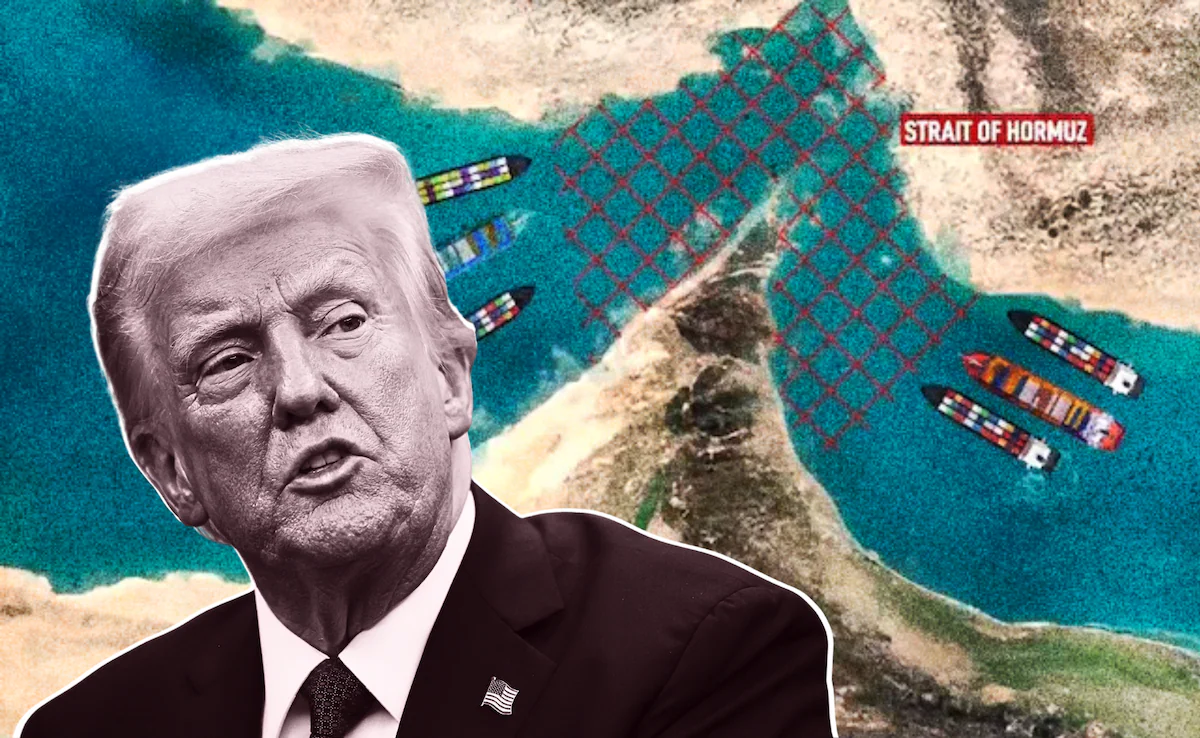
U.S. President Donald Trump has called on countries worldwide to join a naval effort aimed at securing the Strait of Hormuz, a critical artery for global oil shipments. He emphasized that the United States will not act alone if Iran attempts to disrupt maritime traffic.
According to Daljoog News analysis, Trump’s proposal reflects growing concern over regional instability and the potential for rising oil prices. By involving multiple nations, the administration aims to share both responsibility and risk while signaling strength to Tehran.
The Strait of Hormuz carries nearly one-fifth of the world’s seaborne oil. Any disruption could ripple across global markets, driving up fuel costs and intensifying energy security concerns at a time of heightened geopolitical tension.
What Happened?
Trump urged allies, including China, Japan, South Korea, and the United Kingdom, to deploy warships to the region to ensure safe passage for oil tankers. The announcement came amid escalating tensions with Iran, which has threatened to restrict maritime traffic in retaliation for Western sanctions and military pressures.
International media reports indicate that the president framed this as a coalition effort, stressing that the U.S. would coordinate a joint naval operation if Iran interferes with shipping lanes. The move aims to maintain uninterrupted global oil flow through one of the world’s most strategically sensitive waterways.
The Strait of Hormuz is a narrow channel linking the Persian Gulf to the Arabian Sea. Its control is crucial for international trade, with roughly 20 percent of global oil shipments passing through this 21-mile-wide passage. Recent conflicts in the region have already slowed shipping and contributed to surging oil prices.
Why This Matters
Securing the Strait of Hormuz has global economic and strategic implications. Even temporary closure of the passage could trigger sharp oil price increases, affecting energy markets worldwide.
The proposed multinational naval coalition seeks to reassure global markets, prevent maritime bottlenecks, and deter Iran from unilateral actions. However, the operation’s success is far from guaranteed. Geographical constraints, proximity to Iranian shores, and Tehran’s capabilities—ranging from coastal missiles to naval mines and drones—pose significant risks.
Beyond economics, the situation touches on regional power dynamics. Any confrontation could further destabilize the Middle East, drawing in major powers and complicating diplomatic efforts. The coalition’s formation may also influence broader international alignments and security arrangements in the region.
What Analysts or Officials Are Saying
Military experts caution that assembling a functional coalition is complex. Many countries are hesitant to directly engage in combat. Japan, for example, has constitutional limitations on deploying its Self-Defense Forces overseas, creating uncertainty about its participation.
Some analysts question whether the coalition would be effective given the Strait’s narrowness and Iran’s tactical advantages. Tehran asserts tight control over the waterway and has repeatedly stated it can block enemy ships if necessary. Experts note that even a well-coordinated effort could face severe challenges from asymmetric threats such as drones, mines, and missile strikes.
Daljoog News Analysis
Trump’s call for a naval coalition highlights a key tension in global security: the balance between safeguarding trade and avoiding direct conflict. While the proposal sends a strong deterrent message to Iran, its practical feasibility remains in doubt.
The initiative also underscores how energy security is intertwined with geopolitics. Ensuring uninterrupted oil flow is not solely a military matter; it requires careful diplomacy, regional engagement, and risk management. Any miscalculation could escalate tensions, disrupt markets, and weaken international trust in maritime safety protocols.
What Happens Next
Observers will be watching closely to see which countries commit naval assets and under what conditions. Diplomatic negotiations may continue alongside military planning, particularly with regional players wary of confrontation.
Potential flashpoints include Iranian coastal defenses, shipping lane monitoring, and the operational coordination of multinational forces. Analysts also warn that even limited incidents could have outsized effects on global energy markets.
The coming weeks will test both U.S. leadership and international willingness to act collectively in one of the world’s most strategically critical maritime zones. Maintaining the Strait of Hormuz open is vital, not only for oil trade but for signaling stability in an already volatile region.