


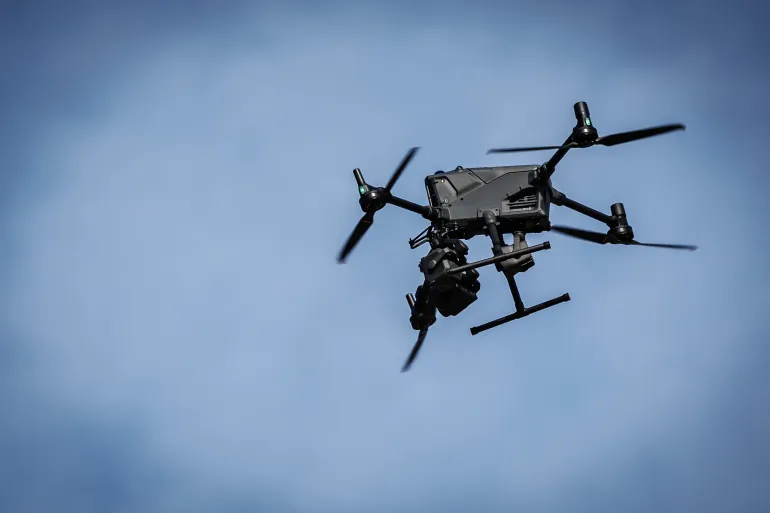
Russia has begun sending drones and humanitarian supplies to Iran, according to reports from US intelligence sources cited by the Financial Times. The shipments, which include medical aid and food, are expected to arrive at Iranian ports by the end of the month.
According to Daljoog News analysis, this development comes at a delicate moment. US President Donald Trump’s discussions about preventing further conflict with Iran are ongoing, and Moscow’s support could shift the strategic balance in Tehran’s favor. The delivery of drones is particularly significant, as it could enhance Iran’s operational capabilities in any potential confrontation.
The move follows secret communications between Washington and Moscow after Israel launched joint operations with the United States earlier this year. Russian assistance reportedly began in early March, with shipments leaving via Moscow’s naval transport. Before this, Russia had provided satellite imagery and intelligence support to Iran, strengthening Tehran’s situational awareness.
What Happened?
Financial Times reports that Russia’s assistance to Iran includes drones, food, and medicines. Sources say the aid is en route on Russian ships and should reach Iranian ports by the end of March. In addition to drones, Moscow has delivered humanitarian supplies, including medicines totaling 13 tons via Azerbaijan last week.
While Kremlin spokesperson Dmitry Peskov has not officially confirmed the shipments, he acknowledged ongoing discussions with Iranian leadership. Peskov also dismissed widespread rumors and false information circulating about Russian involvement, stressing that not all reports reflect official activity.
Why This Matters
The Russian support to Iran could alter the strategic calculus in the region. By providing drones and intelligence, Moscow strengthens Tehran’s capacity to respond to potential US or Israeli operations. Analysts note that such aid could complicate US efforts to pressure Iran into negotiations or constrain its regional influence.
Additionally, the shipment of humanitarian aid signals Moscow’s desire to maintain leverage over Tehran. Delivering food and medical supplies during heightened tensions positions Russia as both a strategic and humanitarian actor, potentially improving diplomatic influence in the region.
What Analysts or Officials Are Saying
Experts highlight that Russia’s involvement reflects a broader geopolitical alignment. Supplying Iran with drones and intelligence enhances Tehran’s defensive and offensive capabilities, while also demonstrating Moscow’s willingness to act independently in a high-stakes theater.
Some analysts caution that these developments could increase the risk of escalation if the US perceives Iran as emboldened. Others point out that humanitarian support helps Russia maintain a public justification for involvement, even as its military assistance continues behind the scenes.
Daljoog News Analysis
Moscow’s dual strategy—providing both military technology and humanitarian aid—illustrates the complexity of contemporary diplomacy. By supporting Iran, Russia asserts regional influence while testing the limits of US tolerance for intervention. The timing of the shipments, amid ongoing US-Iran talks, underscores how intertwined military, humanitarian, and diplomatic efforts have become in crisis management.
For Iran, Russian drones and supplies may bolster both morale and capabilities, allowing it to pursue regional objectives with greater confidence. For the United States, the shipments present a new variable in negotiations, complicating both policy and potential conflict avoidance strategies.
What Happens Next
The shipments are expected to arrive by the end of March, and intelligence agencies will likely monitor their impact closely. Observers anticipate increased attention on Iran’s military readiness and potential responses to US and Israeli actions. Diplomatic channels may also intensify as Washington, Tehran, and Moscow assess next steps, weighing negotiation against escalation.
Daljoog News will continue to track the situation, providing verified updates on Russian support to Iran, regional security implications, and potential shifts in US-Iran relations.