

Russia’s foreign minister has issued a stark warning about the direction of global security, suggesting that ongoing conflicts across several regions now resemble the early stages of a world war. Violence and instability continue to rise across Europe, the Middle East, and parts of Africa.
According to Daljoog News analysis, the statement reflects more than political rhetoric. It highlights Moscow’s concern that multiple crises are no longer isolated but increasingly interconnected within a broader geopolitical struggle.
The timing adds weight to the warning. Several conflict zones are heating up simultaneously, raising fears that regional tensions could merge into a wider global confrontation with lasting consequences.
What Happened?
Russian Foreign Minister Sergey Lavrov said the scale and spread of current conflicts are reaching a level where some analysts already view the situation as comparable to a third world war.
He pointed to simultaneous crises in Eastern Europe, the Middle East, and Africa, arguing that the geographic reach and intensity of these conflicts are expanding in a way not seen in recent decades.
Lavrov also accused Western powers of deliberately sustaining tensions. He claimed political and economic pressure is being used to prolong confrontations, particularly those involving Russia, in order to maintain global influence.
At the same time, Moscow is working to strengthen its international partnerships. Preparations are underway for a Russia-Africa summit scheduled for October, where the Kremlin aims to deepen ties with African nations and reinforce its global position.
This effort signals a broader push to reshape alliances at a time when geopolitical divisions are becoming more pronounced.
Why This Matters
Lavrov’s warning reflects a growing concern that global instability is no longer contained within specific regions. Instead, multiple flashpoints are developing at once, increasing the risk of overlap and escalation.
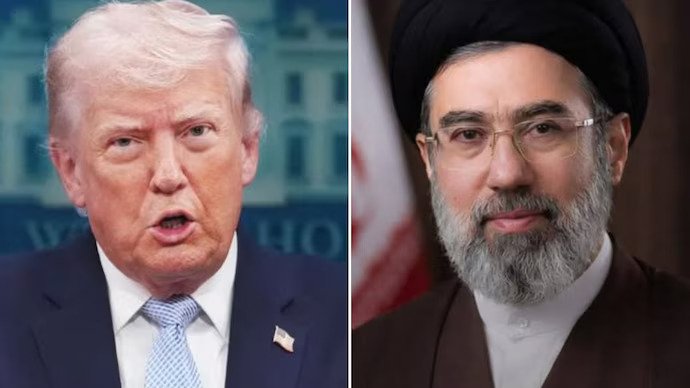
The Middle East remains a key source of concern. Rising tensions involving Iran, alongside pressure linked to the United States and Israel, are creating a fragile and unpredictable environment.
Any escalation in this region could disrupt energy supplies and global trade routes. Oil markets are particularly sensitive, meaning even limited conflict could trigger wider economic consequences.
At the same time, shifting alliances are adding another layer of risk. As countries align themselves with competing blocs, the global system becomes more divided, increasing the chance of broader confrontation.
What Analysts or Officials Are Saying
Russian officials have framed current tensions as part of a broader strategic contest. From Moscow’s perspective, instability in key regions is being shaped by Western policies aimed at preserving influence.
Lavrov highlighted worsening relations between Iran and its neighbors, warning that the situation could extend beyond regional boundaries if left unchecked. He stressed that continued military pressure could have serious consequences for global trade and energy security.
Russia has also reaffirmed its support for Iran, maintaining diplomatic engagement with both Tehran and Gulf Cooperation Council states. This suggests an attempt to balance alliances while positioning itself as a potential mediator.
Beyond the Middle East, Lavrov raised concerns about increasing pressure on Cuba. He reiterated Moscow’s support for Cuba’s sovereignty and pledged continued humanitarian and economic assistance.
On the issue of Palestine, Russia signaled its intention to work with Arab and Muslim-majority countries to support a resolution aligned with United Nations frameworks.
Daljoog News Analysis
Lavrov’s remarks reflect a broader shift in how global tensions are being interpreted by major powers. The idea of a fragmented but interconnected conflict landscape is gaining ground among policymakers and analysts.
Rather than a single large-scale war, the current situation resembles a network of overlapping crises. These conflicts are linked through alliances, economic interests, and strategic competition, making them harder to contain.
Russia’s messaging also reveals its long-term geopolitical strategy. By framing global tensions as part of a Western-driven system, Moscow positions itself as an alternative partner for countries seeking to avoid alignment with the United States and its allies.
The planned Russia-Africa summit is a key example of this approach. It highlights efforts to expand influence in regions where global power dynamics are shifting.
However, there is a clear tension in Russia’s stance. While calling for dialogue and stability, it continues to play an active role in multiple geopolitical arenas. This reflects the complexity of modern diplomacy, where competition and cooperation often exist side by side.
What Happens Next
The direction of global tensions will depend heavily on developments in the coming months.
The Russia-Africa summit in October could mark a turning point in alliance-building, potentially strengthening Moscow’s position in emerging regions.
In the Middle East, any escalation involving Iran, Israel, or U.S. forces could quickly widen the conflict and affect global markets.
Diplomatic efforts will also be closely watched. Russia’s engagement with Gulf states and its role in discussions around Palestine may test its influence as both a stakeholder and mediator.
The broader risk lies in the convergence of multiple crises. If current tensions continue to grow without resolution, the global system could enter a prolonged period of instability that reshapes international relations for years to come.