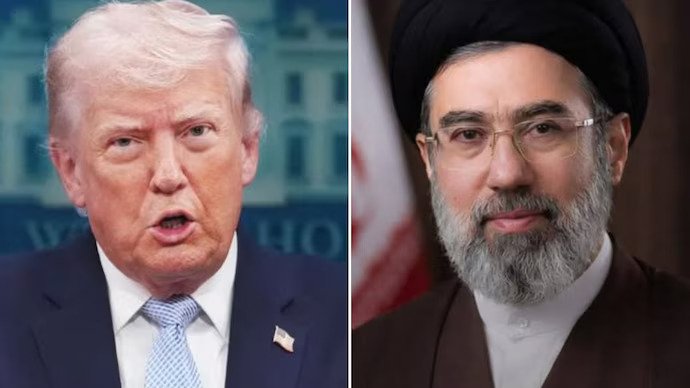



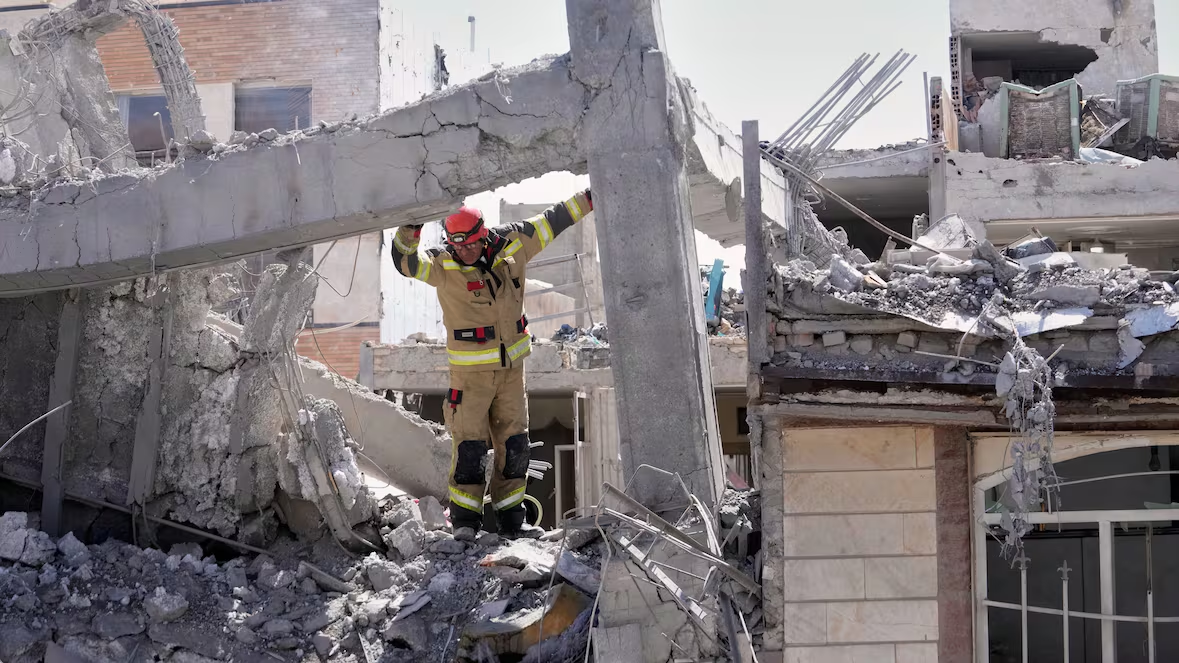
Iran’s military has claimed it struck multiple United States bases across the Middle East and warned regional countries hosting US forces. The claims, shared by state-linked media, remain unverified by independent sources.
According to Daljoog News analysis, the statements reflect a sharp rise in tensions and appear more aligned with strategic messaging than confirmed large-scale military action.
The timing is critical, as the region is already under pressure from recent conflicts, increasing the risk of escalation and global concern over security and energy stability.
What Happened?
Iranian media reported that the country’s armed forces targeted and destroyed up to 17 US military bases in the Middle East. The claim was attributed to senior military spokesperson Brigadier General Abolfazl Shekarchi.
He stated that Iranian forces were capable of eliminating all US military positions in the region and argued that Washington failed to secure its installations and personnel.
The reports also claimed that American troops abandoned bases and moved into civilian locations such as hotels. However, there has been no independent verification or confirmation from US officials or international observers.
Iranian officials described the situation as a shift from a defensive posture to a more aggressive stance, warning that any attack on Iran would be met with direct retaliation.
Why This Matters
Even without confirmation, such claims carry serious implications. They add to uncertainty in a region already dealing with complex military and political tensions.
US bases in the Middle East play a key role in maintaining regional stability, supporting allies, and securing major shipping routes. Any real disruption would significantly impact global security dynamics.
The situation also affects global markets. Rising tensions in the region often lead to higher oil prices and heightened concern about supply chains, especially given the importance of nearby maritime routes.
For many countries, especially in Asia and Europe, stability in the Middle East is directly linked to economic security.
What Analysts or Officials Are Saying
Security experts have urged caution in interpreting Iran’s claims, noting the absence of supporting evidence such as satellite imagery or official confirmations.
Western officials have not reported any incidents on the scale described. Analysts suggest that such large-scale attacks would likely produce immediate global reactions and clear verification.
Regional observers note that strong rhetoric often increases during periods of tension, particularly following conflicts involving Iran and its rivals.
At the same time, experts warn that even unverified statements can influence military planning and raise the risk of miscalculation.
Daljoog News Analysis
The situation highlights how information itself has become a strategic tool in modern conflicts. Claims, even without proof, can shape perceptions and influence decisions.
Iran’s messaging appears designed to project strength and deter adversaries. By presenting a narrative of military success, it signals readiness while avoiding direct confirmation that could trigger immediate retaliation.
However, this approach carries risks. In an already tense environment, unclear or exaggerated claims can lead to overreactions from opposing sides.
The lack of verified information also complicates the role of global media and policymakers, who must respond carefully without escalating tensions further.
What Happens Next
The next phase will depend heavily on responses from the United States and its allies. Clear statements supported by evidence will be important to counter uncertainty.
Military activity in the region is likely to remain high, with increased monitoring and defensive measures.
Diplomatic efforts may also intensify as global powers try to prevent further escalation and maintain stability in key strategic areas.