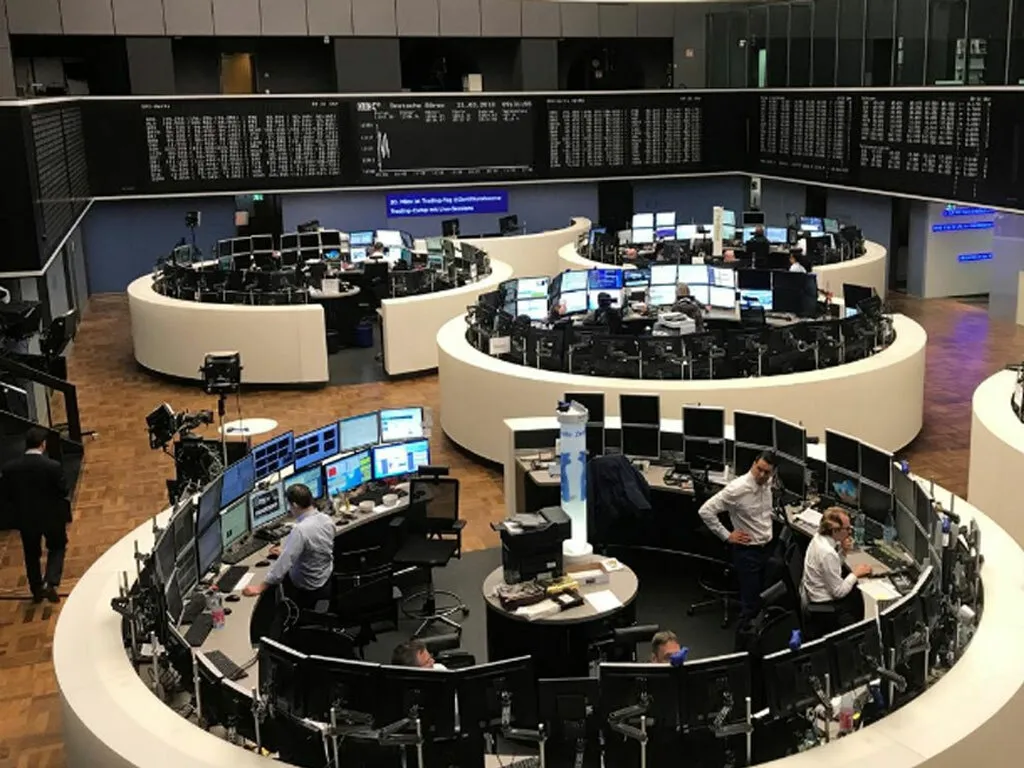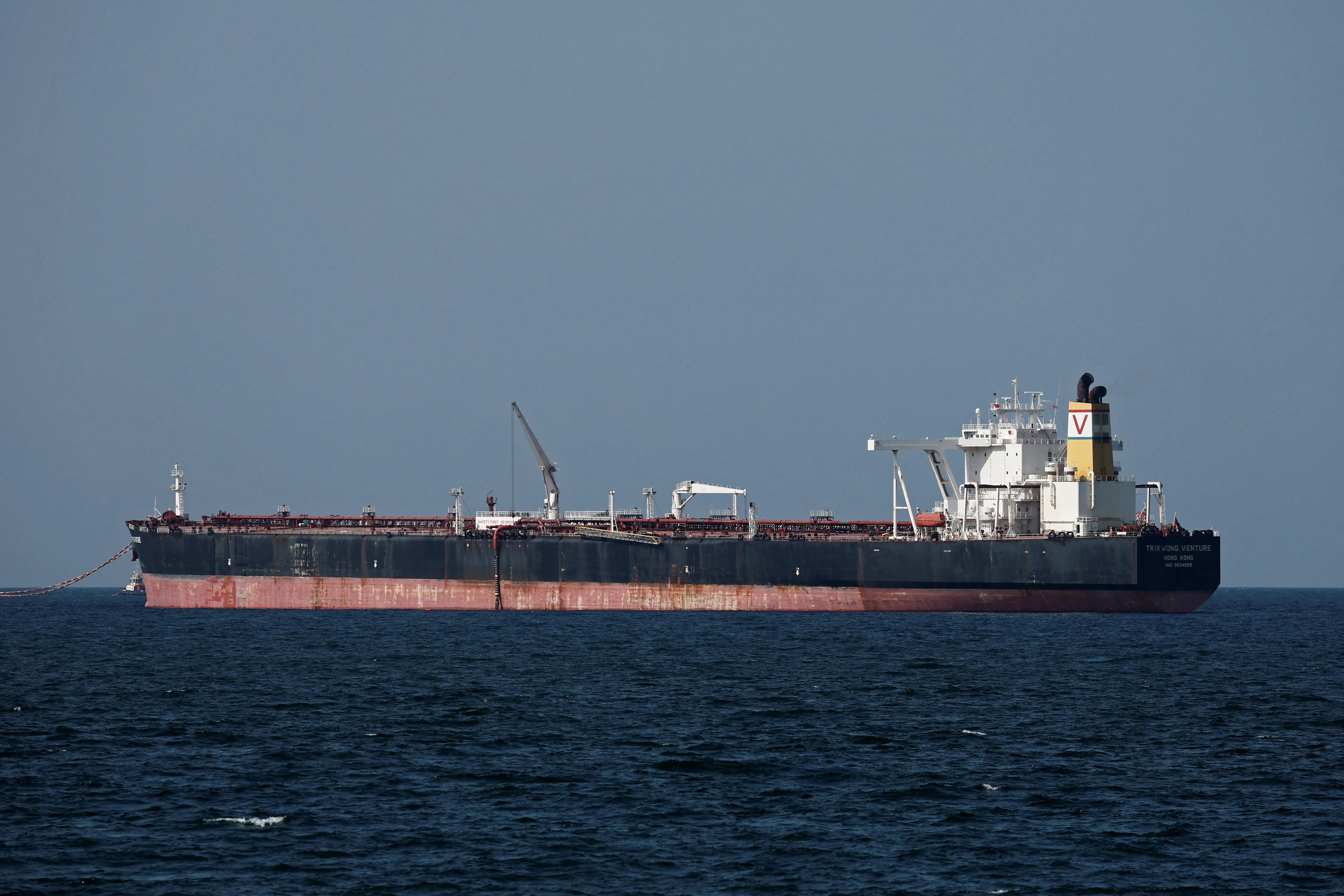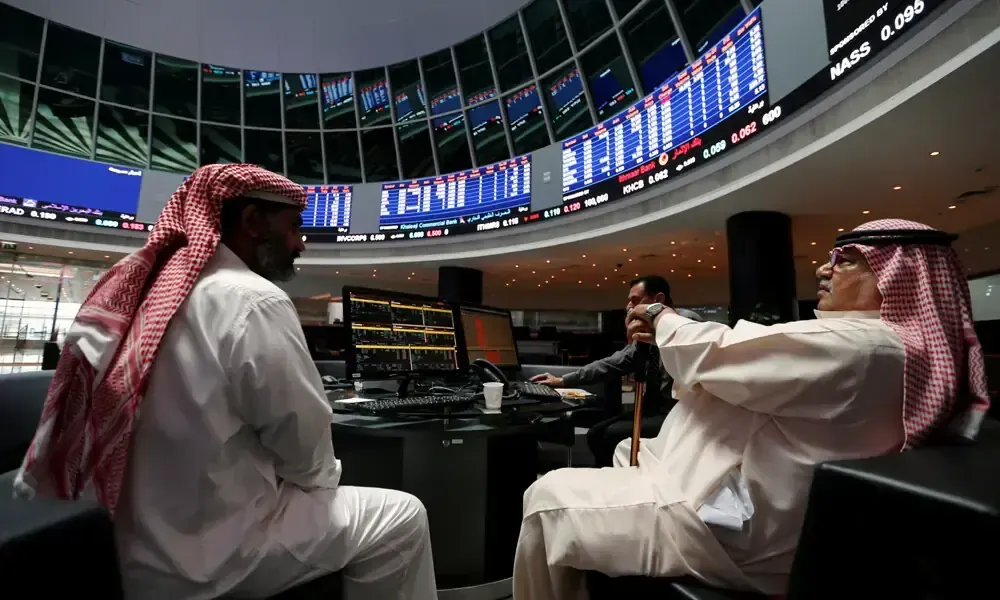
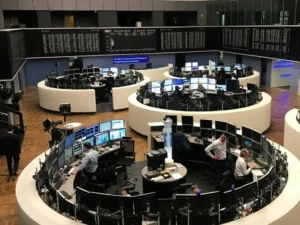


Stock markets across several Gulf countries declined on Sunday as renewed security concerns in the Middle East made investors more cautious. Saudi Arabia’s benchmark index fell 1.7%, while Qatar’s market dropped 1.5% and Bahrain’s index lost 0.4%. The declines came as reports of missile and drone activity raised concerns about the wider economic consequences of the conflict involving Iran, the United States and Israel. Financial markets in the region have remained sensitive to developments that could threaten energy infrastructure, shipping routes and business confidence.
Saudi shares were among the weakest performers. Al Rajhi Bank declined around 2%, while Saudi National Bank, the country’s largest lender by assets, fell 1.8%. Qatar’s market also experienced widespread losses, with most listed companies trading lower. Qatar Islamic Bank was among the major financial stocks affected, falling 1.3%. The movements showed that investor concerns were not limited to energy companies, as banks and other sectors also faced pressure from the uncertain regional environment.
Security developments contributed to the negative mood. Saudi-led forces reported intercepting a missile fired by Iran-aligned Houthi forces towards western Saudi Arabia. Iran also claimed that its air defences had damaged a US F-16 over Gulf waters, although Washington rejected the account. Bahrain reported intercepting Iranian aerial attacks, one of which caused a fire at a civilian industrial facility. Iran’s Revolutionary Guards also said they had targeted US military positions in Bahrain, which hosts the US Navy’s Fifth Fleet.
Diplomatic efforts continued alongside the military developments, but investors remained concerned that the situation could worsen. A Qatari delegation had held talks in Tehran, while Iran’s foreign minister said his country still hoped diplomacy could end the conflict. US President Donald Trump, however, indicated that the agreement Iran wanted was not acceptable to Washington. The market reaction reflects the importance of regional stability to Gulf economies, particularly those that depend on international trade, investment and reliable access to energy transport routes.