

Tensions across the Middle East are intensifying as Israel, Iran, and regional actors escalate military and strategic moves. The growing conflict has sparked fears over stability, energy markets, and regional security.
According to Daljoog News analysis, Russian President Vladimir Putin’s recent statements in Moscow signal more than routine concern. His warnings frame the conflict as a long-term threat with global economic repercussions, not just a regional skirmish.
The timing is critical. As U.S.-Israel operations target Iranian military infrastructure, markets and governments are closely monitoring potential disruptions to oil flows, supply chains, and political stability across Europe and beyond.
What Happened?
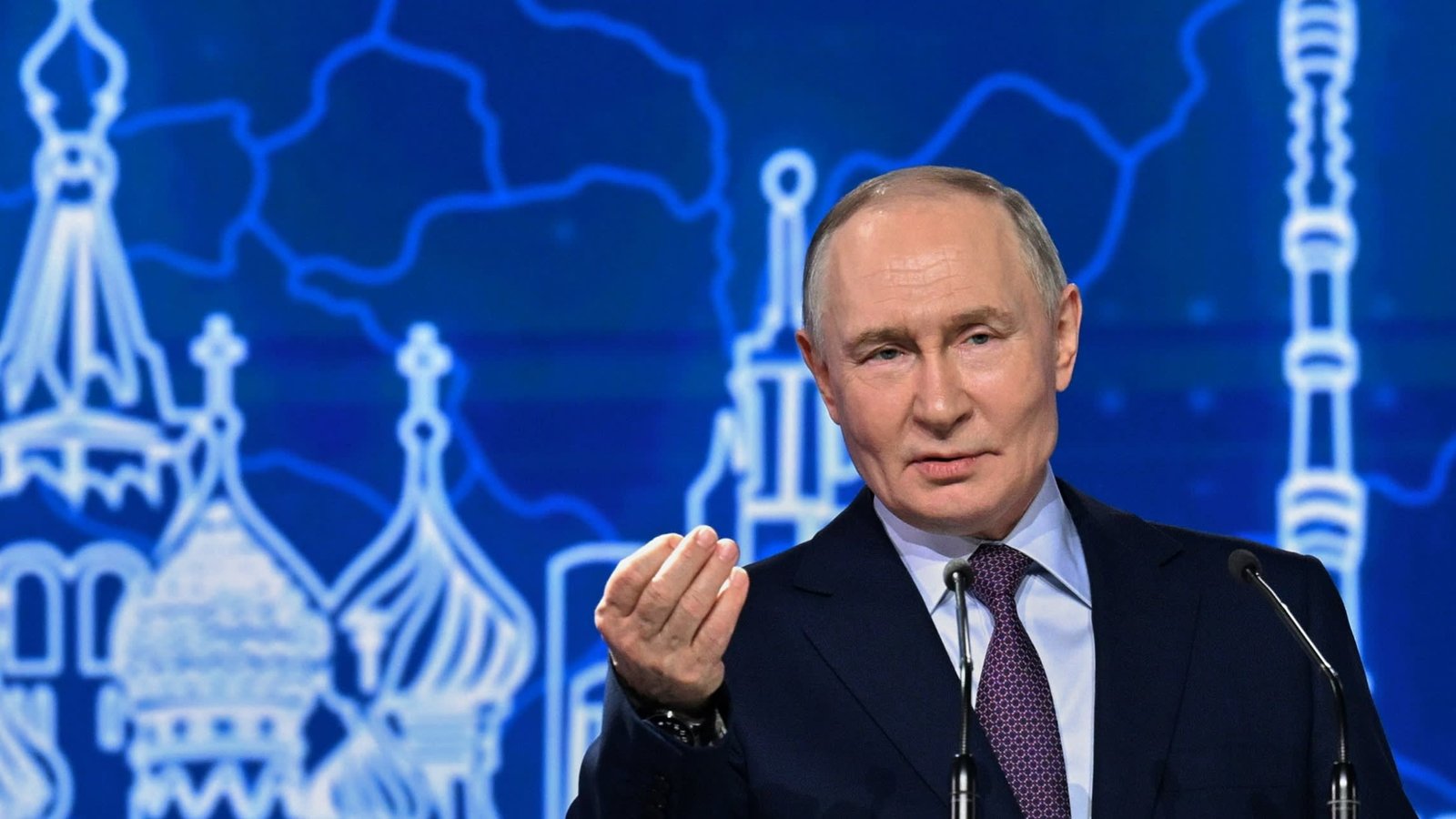
On March 26, during a high-level conference in Moscow, President Vladimir Putin delivered a measured but pointed warning about the ongoing Middle East crisis. Analysts note his remarks emphasized the potential for sustained economic disruption, comparing the impact to the shocks seen during the COVID-19 pandemic.
Meanwhile, Israel, with U.S. coordination, has conducted airstrikes across at least 26 Iranian provinces. These operations aim to dismantle Iran’s missile systems, drones, and military command networks. The approach appears methodical rather than decisive, indicating a long-term strategy to gradually weaken Iranian capabilities rather than force a rapid conclusion.
Iran has responded by asserting control over the Strait of Hormuz, a critical global shipping route for oil. Rather than engaging in direct, large-scale attacks, Tehran is signaling strategic leverage over global energy flows.
Why This Matters
The conflict carries far-reaching consequences beyond the battlefield. Disruption of the Strait of Hormuz could spike oil prices worldwide, straining already fragile European energy markets, especially for nations attempting to pivot away from Russian gas.
Prolonged conflict risks creating ripple effects through global supply chains, inflationary pressures, and heightened geopolitical tensions. Investors, policymakers, and energy traders are watching closely, understanding that extended instability could reshape regional alliances and economic forecasts.
Daljoog News analysis suggests that Putin’s remarks were a subtle warning to Western powers: prolonged hostilities may generate costs disproportionately borne by Europe and the U.S., especially in energy and trade sectors.
What Analysts or Officials Are Saying
Experts note a dual strategy by the United States. On one hand, Washington is offering diplomatic engagement to Iran; on the other, it continues targeted strikes to degrade Iranian military capacity. This approach reflects an effort to negotiate from a position of strength, ensuring Iran does not maintain pre-conflict capabilities.
Israel’s strategy appears more direct and risk-intensive. Its stated objective is not only to reduce Iran’s military threat but to neutralize it entirely—a goal unlikely to be achieved through short-term action. Analysts warn that this approach could entrench conflict, creating a drawn-out and unpredictable confrontation.
Observers also highlight that Putin’s comments avoided explicit endorsement of any side. Instead, Russia frames the situation around economic and geopolitical stability, reinforcing Moscow’s position as a strategic mediator while keeping direct military involvement at arm’s length.
Daljoog News Analysis
The evolving Middle East conflict is shifting from a regional dispute into a multidimensional crisis where military operations, energy markets, and geopolitical leverage intersect. Putin’s framing underscores this reality: the longer the war continues, the less predictable its effects on global supply chains and oil prices become.
From a strategic standpoint, Russia appears to be using the discourse to influence Western calculations. By highlighting economic vulnerability and energy dependency, Moscow signals that extended conflict imposes indirect costs on Europe and the U.S., potentially shaping policy decisions without direct engagement.
The broader lesson is clear. Military action alone will not resolve the underlying tensions. Instead, drawn-out operations risk entangling multiple states in economic and strategic fallout, where no party can claim a clear victory, but everyone suffers tangible losses.
What Happens Next
The near-term outlook suggests continued U.S.-Israel air operations against Iranian assets, accompanied by ongoing diplomatic overtures. Iran is likely to maintain control over key maritime routes, creating leverage over global energy markets.
Markets can expect volatility in oil and gas prices, while policymakers in Europe and the U.S. must balance military support with potential economic fallout. Analysts warn that any escalation near the Strait of Hormuz could trigger broader disruptions in global trade and regional security.
For now, all parties appear committed to strategic positioning rather than rapid conflict resolution. The duration and intensity of the war will determine whether it remains a contained regional crisis or becomes a significant factor in global economic stability.