


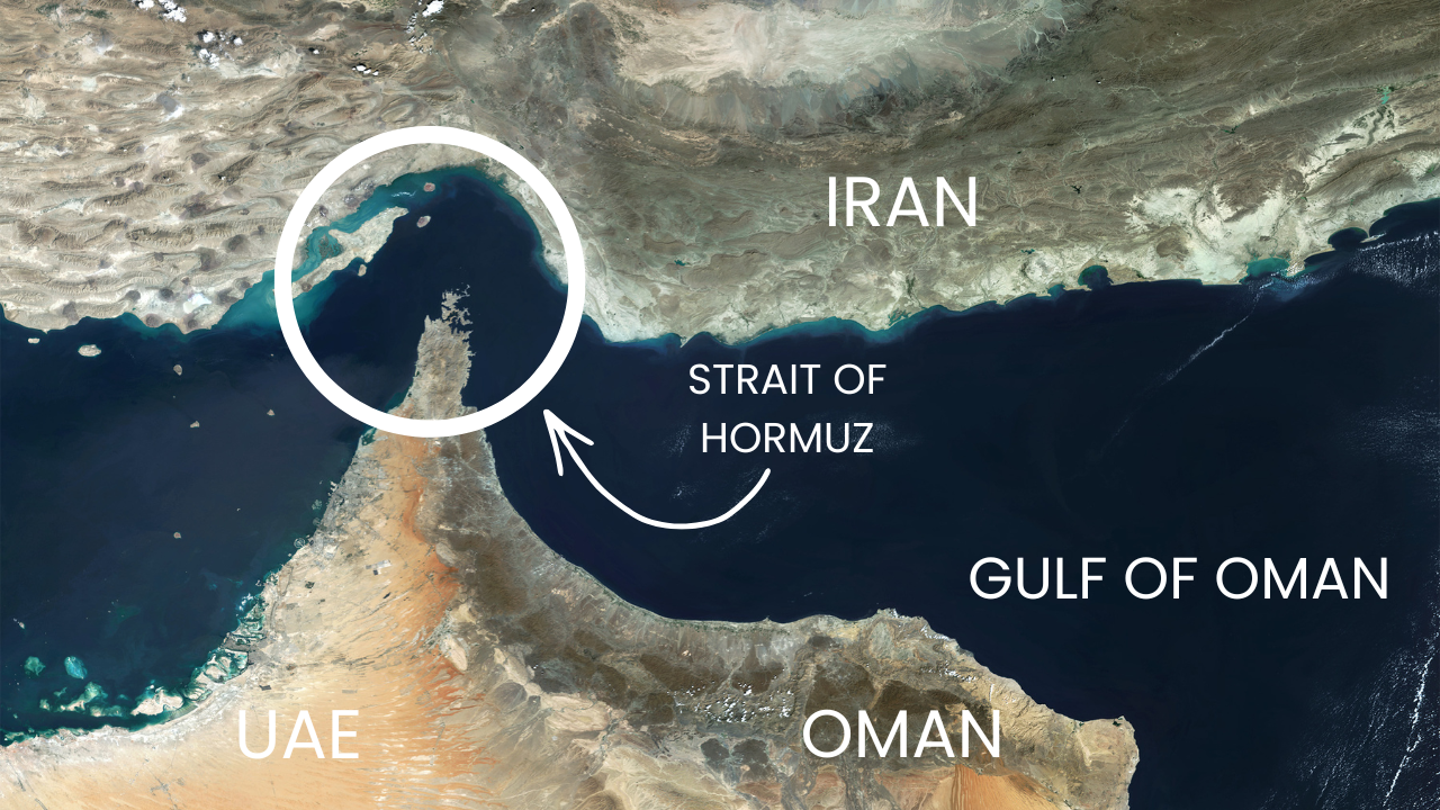
Iran has claimed full military control over the strategic Strait of Hormuz and the Gulf of Oman, heightening tensions with the United States.
According to Daljoog News analysis, Tehran’s statements signal both a strategic and symbolic assertion of power in the Persian Gulf region, challenging US naval operations and testing American deterrence.
This development comes as the region remains on edge following previous US-Iran confrontations, with potential implications for energy markets and global shipping lanes.
What Happened?
Rear Admiral Saharam Irani, a commander of Iran’s naval forces, stated that the US aircraft carrier USS Abraham Lincoln had retreated hundreds of miles from Iranian waters due to Tehran’s missile capabilities. He warned that if the carrier re-enters missile range, Iran is prepared to respond.
The announcement follows ongoing US-Iran tensions, including a February 28 operation where Israel, in coordination with US planning, carried out strikes in Iran. Tehran’s military responses have since demonstrated Iran’s missile and naval reach, prompting heightened US caution in the region.
Currently, reports indicate the USS Abraham Lincoln remains in the broader Arabian Sea, far from Iranian waters, avoiding confrontation. Iran’s military posture and control of the Strait of Hormuz provide strategic leverage over shipping lanes through which a significant portion of global oil exports pass.
Iranian media, including WANA News Agency, confirmed these developments on March 29, emphasizing Tehran’s readiness to defend its maritime perimeter and assert control over critical regional chokepoints.
Why This Matters
Control over the Strait of Hormuz and Gulf of Oman is a major strategic gain for Iran. These waterways serve as global oil transit routes, meaning any disruption could dramatically affect international energy markets. Crude oil prices have already surpassed $100 per barrel, reflecting market sensitivity to geopolitical risk.
For the United States, Iran’s assertiveness complicates naval operations and limits freedom of movement for US carriers, including the USS Abraham Lincoln. It also raises the stakes for US allies dependent on secure shipping lanes for energy imports.
The developments highlight Tehran’s ability to leverage asymmetric military power, using missile capabilities and strategic geography to offset US naval superiority and influence regional calculations.
What Analysts or Officials Are Saying
Military analysts view Iran’s maneuvers as both strategic and symbolic, reinforcing its control over critical maritime corridors. By asserting dominance over the Strait of Hormuz, Iran can monitor and potentially restrict US naval movements, maintaining leverage in ongoing regional disputes.
Experts note that Iran’s warnings about missile readiness against the USS Abraham Lincoln are intended to deter future US operations near Iranian waters while signaling Tehran’s readiness for rapid escalation if challenged.
Strategic analysts emphasize that this posture also protects Iran’s economic interests, particularly its role in oil exports, by securing key maritime chokepoints against potential adversaries.
Daljoog News Analysis
Daljoog News analysis suggests Iran is deliberately combining military posturing with public messaging to shape perceptions of power and deterrence. Controlling both the Strait of Hormuz and Gulf of Oman allows Tehran to project influence beyond its immediate coastline and complicate US strategic planning in the Arabian Sea.
While the USS Abraham Lincoln remains at a distance, the warning highlights the narrow window in which US forces must operate to avoid Iranian missile range. This dynamic underscores the increasing risks of miscalculation and escalation in one of the world’s most strategically sensitive maritime regions.
What Happens Next
The United States is likely to monitor Iranian movements closely while maintaining its naval presence in the Arabian Sea. Any attempt to navigate the Strait of Hormuz could trigger heightened tensions or missile alerts.
Markets and energy stakeholders will remain attentive, as any disruption in shipping through these waterways could affect global oil prices and supply chains. Analysts will also be watching Iran’s next moves, including potential patrol patterns and missile drills, to assess the likelihood of confrontation.