


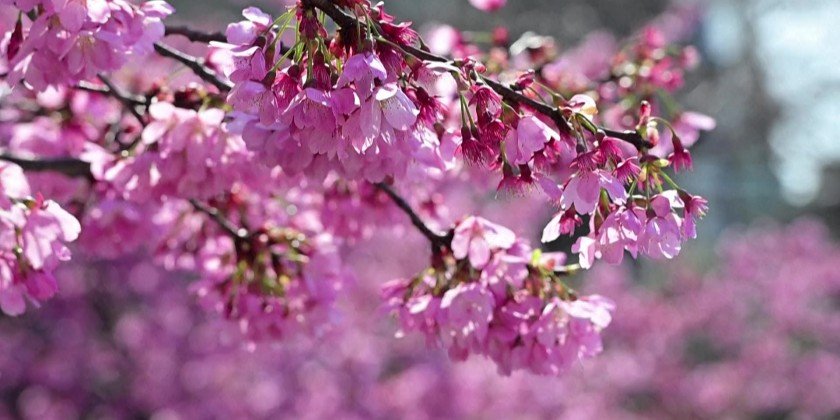
With the arrival of spring, Tokyo’s parks have transformed into a vibrant display of cherry blossoms, attracting large crowds eager to celebrate the season. Visitors are flocking to enjoy the beauty of these iconic trees, which symbolize both Japan’s cultural pride and the spirit of spring.
According to Daljoog News analysis, early blooming due to unusual weather patterns has intensified public interest, making Tokyo’s hanami gatherings more festive than in typical years.
The timing also underscores the significance of cherry blossom season as a unifying cultural event, blending nature appreciation with social celebration.
What Happened?
Tokyo’s famous parks, including Ueno Park, are now covered in pink and white cherry blossoms, offering visitors a stunning natural spectacle. Residents and tourists alike gather under the trees to share food, relax, and enjoy the seasonal ambiance.
The Japanese tradition of hanami, which literally means “flower viewing,” extends beyond mere observation. It involves gathering with family and friends to celebrate together, making it a key aspect of Japan’s cultural heritage.
This year, cherry blossoms bloomed several days earlier than usual, according to the Japan Meteorological Agency. The early bloom has turned city parks into lively centers of celebration ahead of schedule, drawing record numbers of visitors.
Why This Matters
Cherry blossom season is more than a visual delight—it plays a significant role in tourism and local economies. The influx of domestic and international visitors boosts spending in hospitality, transport, and retail sectors.
Culturally, hanami strengthens community bonds and preserves long-standing traditions. Sharing meals under blooming cherry trees has been a cherished practice for generations, linking contemporary life to historic Japanese customs.
Tourists’ experiences also enhance Japan’s global cultural influence, promoting its natural beauty and seasonal rituals to a worldwide audience.
What Analysts or Officials Are Saying
Officials from the Japan Meteorological Agency noted that this year’s early bloom reflects changing climate patterns, which can shift traditional festival timings.
Tourism analysts highlight that early blossoms often result in higher visitor concentration, creating both opportunities and logistical challenges for city management.
Visitors themselves express awe at the spectacle, describing cherry blossoms as unparalleled in beauty and a source of joy for all ages. Many families take advantage of the sunny spring days to make the experience memorable for children.
Daljoog News Analysis
Tokyo’s early cherry blossoms illustrate the interplay between nature, culture, and tourism. Daljoog News analysis suggests that while climate variations may shift bloom schedules, the cultural and economic impact of hanami remains robust.
The festival demonstrates how seasonal natural events can strengthen social cohesion while driving local economies, particularly through tourism and hospitality sectors.
Parks become living symbols of spring, reminding both locals and visitors of Japan’s enduring traditions and its ability to blend heritage with contemporary celebration.
What Happens Next
As cherry blossoms continue to bloom, city authorities are preparing for sustained visitor numbers, ensuring safety and maintaining park facilities.
Local businesses are likely to benefit from ongoing tourist engagement, with increased demand for seasonal food, gifts, and accommodation.
The early bloom may also prompt adjustments to festival schedules in coming years if shifting weather patterns persist, emphasizing the need for adaptive planning in Tokyo’s cultural events.
Ultimately, the combination of natural beauty, cultural practice, and public participation ensures that hanami remains a highlight of spring in Japan, offering a joyful experience for all who visit.