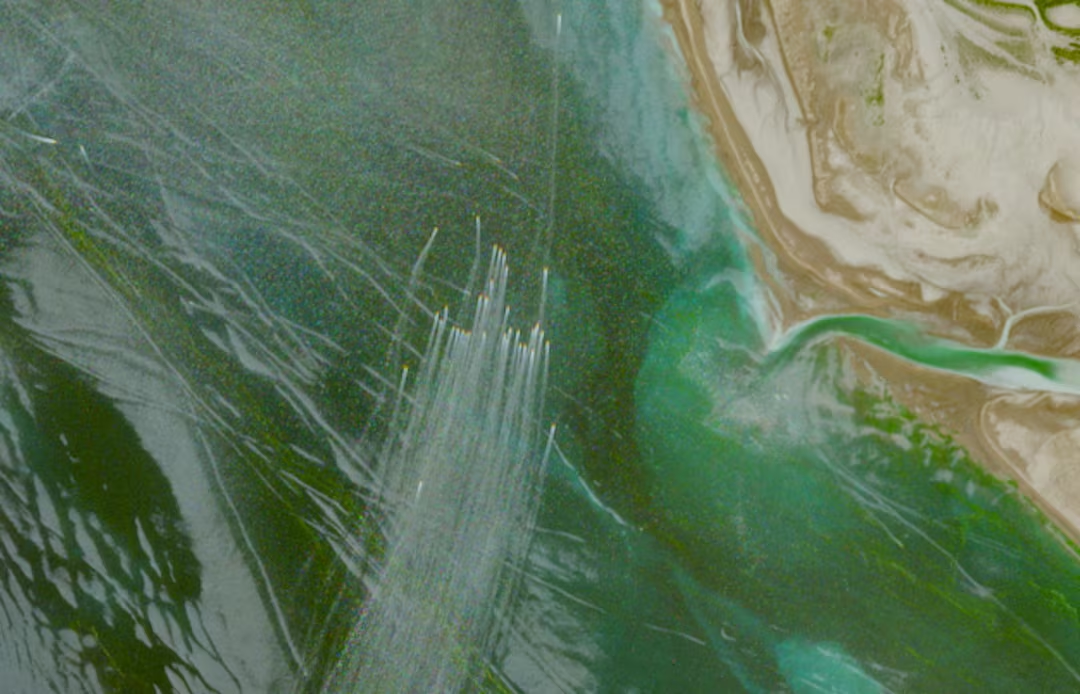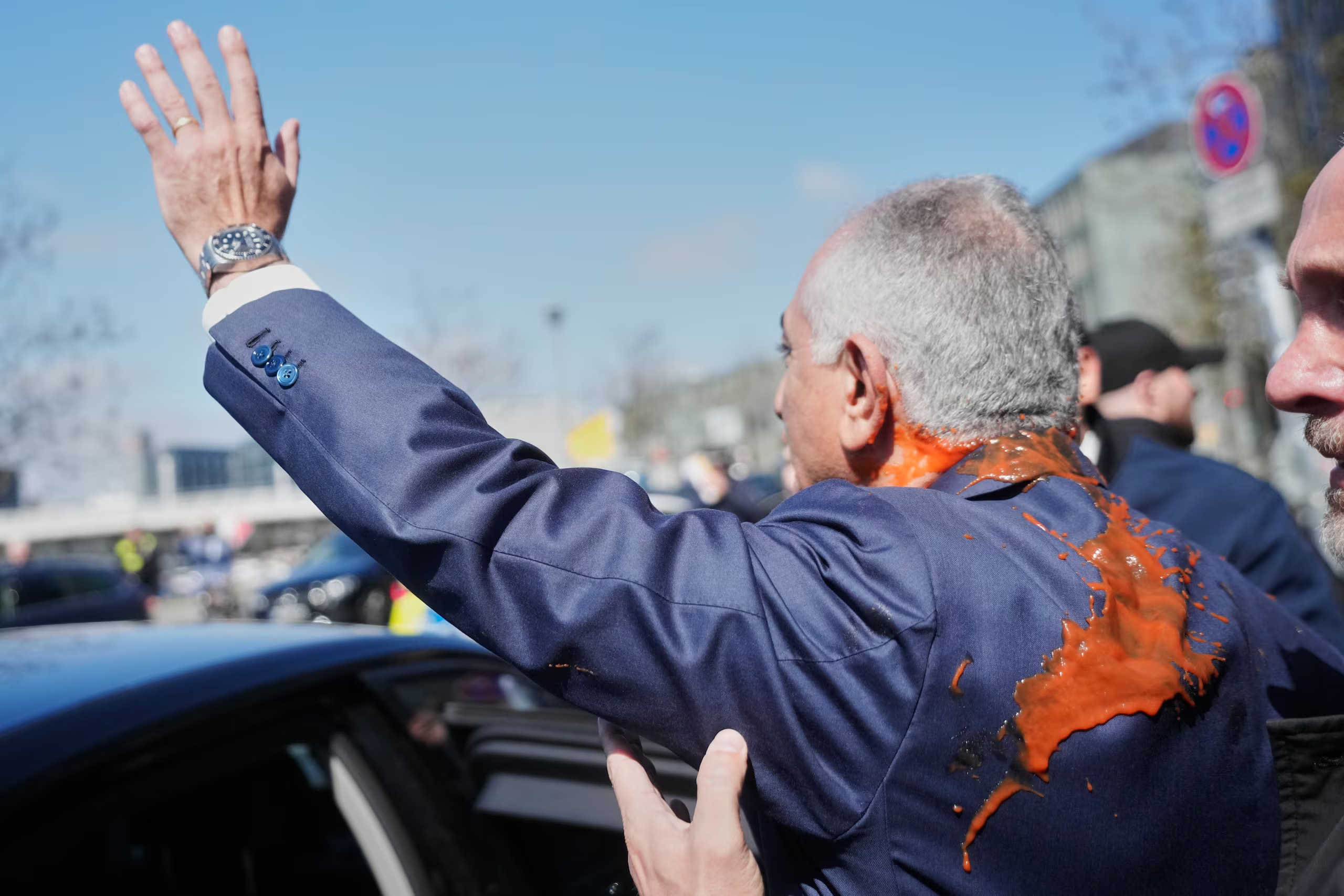


Iran has continued missile strikes targeting Israeli positions and US-linked military sites, rejecting a proposed ceasefire reportedly backed by Washington. The escalation has intensified concerns of a broader regional conflict.
According to Daljoog News analysis, the situation is entering a more dangerous phase as geopolitical lines harden, with Russia signaling indirect support for Iran while the United States weighs stronger military options.
The timing is critical. As discussions of possible US ground operations emerge, new reports about Russian-aligned forces and advanced weapons support are adding to global uncertainty.
What Happened?
Fighting has now stretched beyond several weeks, with Iran maintaining repeated missile and drone attacks against Israeli targets and strategic locations connected to US operations in the region.
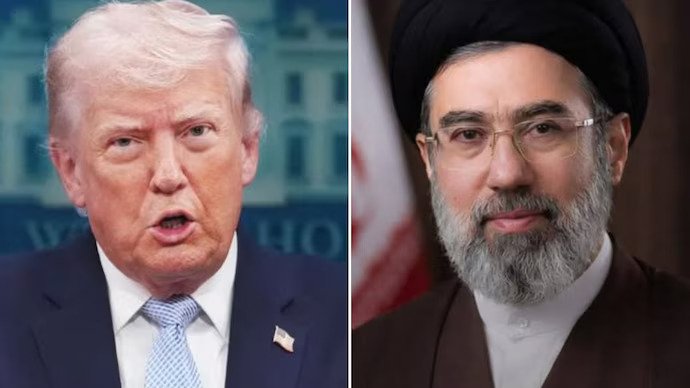
Tehran reportedly rejected a ceasefire proposal linked to US President Donald Trump and instead continued its offensive posture. These attacks are believed to include more advanced systems designed to bypass modern air defense networks.
Attention has also shifted toward Moscow. Russia is believed to have deepened military cooperation with Iran, including the transfer of upgraded drone technologies. These systems reportedly feature improved navigation, resistance to electronic jamming, and stronger propulsion capabilities.
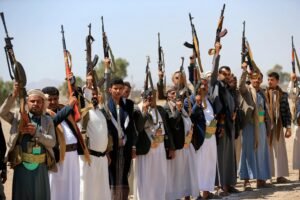
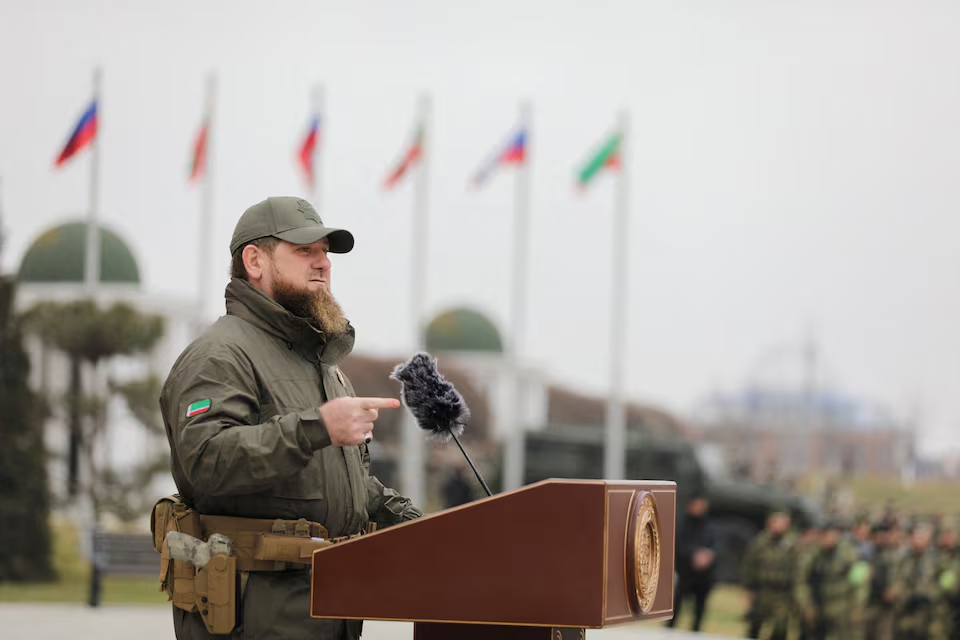
At the same time, regional reports suggest that fighters loyal to Chechen leader Ramzan Kadyrov could be prepared to support Iran if the conflict escalates into a ground war involving US forces. While not officially confirmed at the highest level, the claims have spread quickly across media platforms.
Why This Matters
The growing involvement of outside powers raises the stakes significantly. If Russia expands its support for Iran, even indirectly, the conflict could shift from a regional clash into a broader geopolitical confrontation.
For the United States, the possibility of facing not only Iranian forces but also allied fighters linked to Russia creates new operational risks. Any ground intervention would become more complex and unpredictable.
Israel may also face increasing pressure if Iran’s military capabilities improve with external assistance. This could reshape the balance of power and prolong the conflict.
The situation carries global implications. Energy markets, shipping routes, and diplomatic relations could all feel the impact if tensions continue to rise.
What Analysts or Officials Are Saying
Security analysts warn that some claims—especially those involving foreign fighters—require careful verification. However, they acknowledge that Russia has often used indirect methods to extend its influence in conflict zones.
Western officials are closely monitoring developments. While no formal confirmation has emerged regarding Chechen deployments, statements from regional figures have increased speculation.
Experts suggest that Russia’s strategy may focus on countering US influence without entering direct conflict. Supporting Iran through technology or aligned groups allows Moscow to apply pressure while limiting immediate escalation risks.
Iranian officials continue to frame their actions as defensive, presenting their strategy as part of a broader resistance effort.
Daljoog News Analysis
This situation reflects a pattern seen in many modern conflicts, where regional wars attract the involvement of larger powers seeking strategic advantage.
Russia’s approach appears calculated and measured. By signaling support without committing to direct engagement, Moscow can influence outcomes while maintaining a level of distance. This strategy often prolongs conflicts rather than resolving them.
For Washington, the challenge lies in avoiding overreach. A ground operation could trigger rapid escalation, particularly if additional actors become involved.
The increased use of advanced drone systems also highlights a shift in warfare. Technology is enabling countries to challenge stronger opponents in ways that were not possible in the past.
Daljoog News analysis suggests that the risk of miscalculation is rising. Each new layer of involvement adds complexity and increases the chance of unintended consequences.
What Happens Next
The next phase will likely depend on US decisions regarding military engagement. A move toward ground operations could rapidly expand the conflict.
Iran is expected to continue its current strategy of sustained missile and drone attacks, maintaining pressure on its adversaries. At the same time, Russia may continue offering support cautiously, avoiding direct confrontation while strengthening its position.
Diplomatic efforts may still emerge, but current conditions suggest limited room for immediate de-escalation.
Global attention will remain focused on any confirmed movement of foreign fighters or new weapons systems, as these developments could mark a decisive shift in the conflict.